



I have always struggled with picturing images in my mind. It’s something that I never really thought or talked about as a child, it was just something I could never do. My lifelong struggles with finding enjoyment in reading and hating how difficult I found simple mental maths affected me. Then at the age of 20, after scrolling through Twitter and coming across what seemed to be a fun ‘can you see this image in your mind?’ post, I figured out that I have aphantasia. All of my childhood struggles suddenly made sense.
What is Aphantasia?
Aphantasia, or mind blindness, is a phenomenon in which an individual has no ability to create mental imagery in their mind. It affects all types of mental imagery, including simple things like basic shapes and colours, to more complex things like relatives’ faces and buildings. It’s believed to affect around 2-5 per cent of the world’s population, so it is quite rare.
Essentially, people with aphantasia cannot picture anything in their head. Hard to imagine, right? Well, it is for me, literally.
Aphantasia research
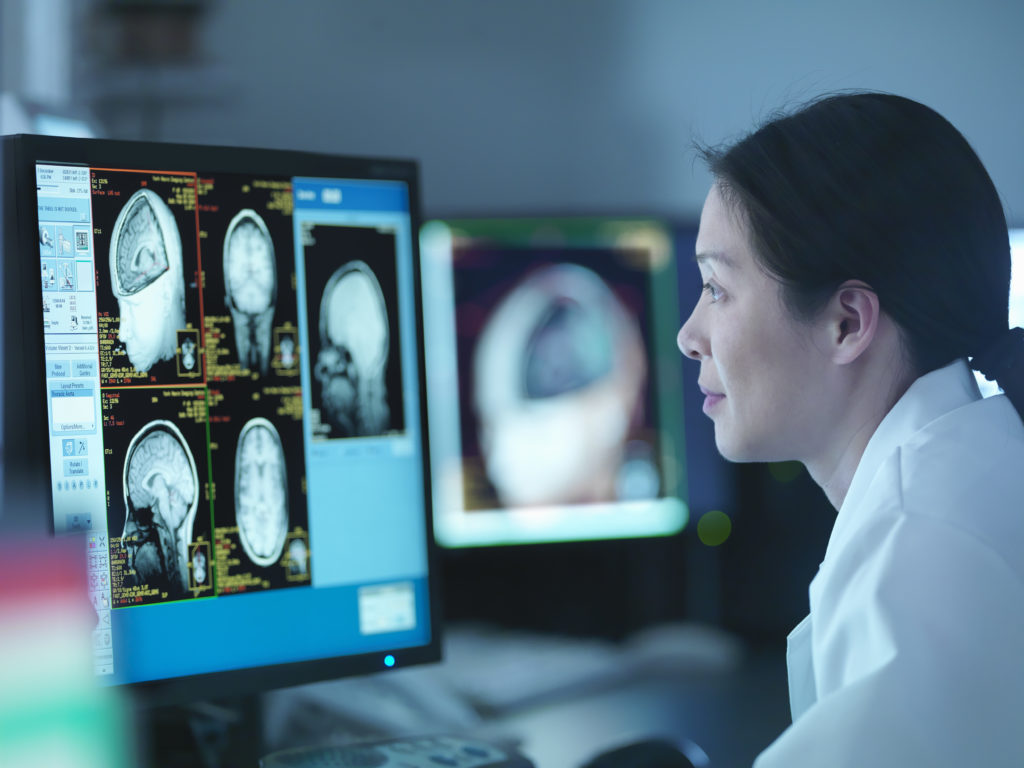
Aphantasia was discovered in 1880 by Sir Francis Galton. It wasn’t considered a substantial theory until 2015, when Zeman and colleagues performed research on 21 individuals who claimed to have no imagination. After this, the phenomenon of aphantasia grew in credibility. There’s been a surge of interest in aphantasia research recently, particularly since the internet learned about the phenomenon and spread awareness of it.
There is still an obvious gap in the research surrounding aphantasia. The exact causes remain unknown, but the existing research does point towards a genetic component in its cause. This means that if you have aphantasia, it is likely that you have a relative, like a parent or sibling, that has it too.
How it affects me
The reason for the lack of research about aphantasia is because it isn’t considered a problem. Funding going into finding its cause or impact is sparse. However, I believe my experience with aphantasia has a huge impact on me, especially in my studies.
I used to, and still do, struggle with fictional reading because, for me, I was just reading the words. I can’t imagine what the scenery or characters look like based off their written descriptions. Long and intricately descriptive novels, like the Harry Potter books, are impossible for me to enjoy.
I also still can’t do basic mental maths. If you ask me to add or multiply easy numbers without a calculator, I have to count them out loud or on my fingers. Don’t even contemplate asking me to divide something in my head!
Finally, I find it extremely difficult to remember all the information for my exams. We all know how much content there is to remember at uni. Since there’s no way I can recall anything visually, I have to try to remember all the words. My way around this is to connect each piece of information with music or a certain finger movement: something that I can connect with the information that doesn’t rely on visualisation.
Do you have aphantasia?
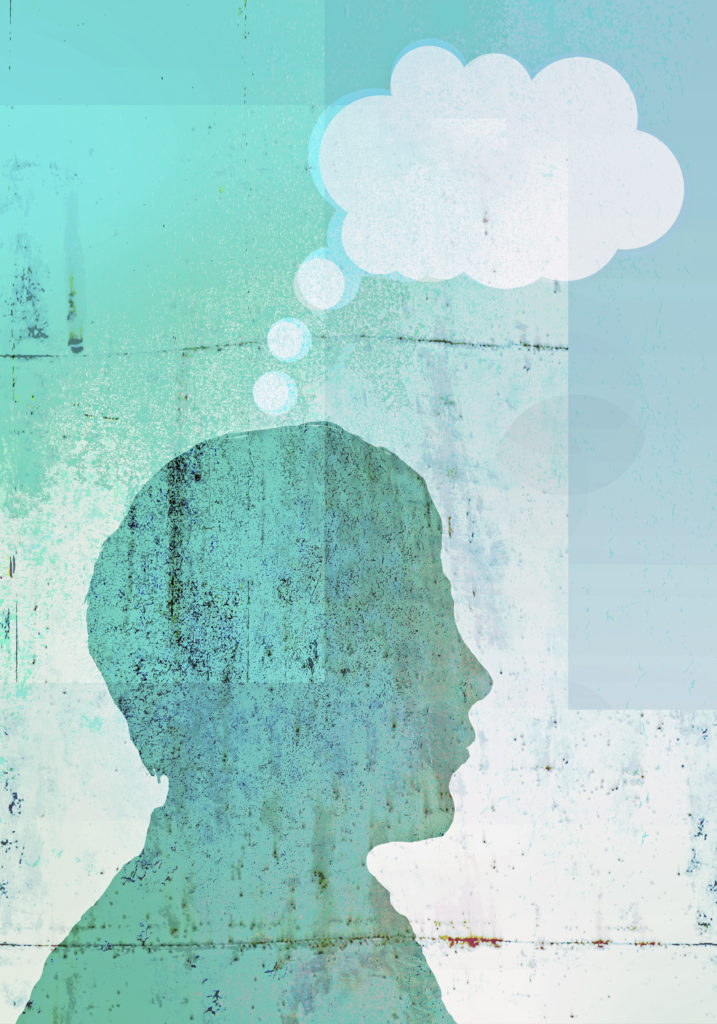
Do you resonate with anything in this article? If so, you may have aphantasia. There’s no official aphantasia test as such, but the easiest way to tell if you have aphantasia is for you to close your eyes and picture something in your head.
I ask you now to close your eyes and picture an apple. What can you see when you close your eyes? If you don’t see anything at all: no colours, no object, no outline of an object, you may have aphantasia.
If you would like to put your mind’s eye to the test, you can take the Vividness of Visual Imagery Questionnaire (VIVQ) here.
The takeaway message
Aphantasia is more widely known now than ever. Many people, including myself, have discovered they have aphantasia because of the traction it’s gained on the internet recently. While it poses no risk to individuals affected by it, it can be frustrating and make certain tasks significantly harder. If you have, or think you have, aphantasia, welcome to the club!