

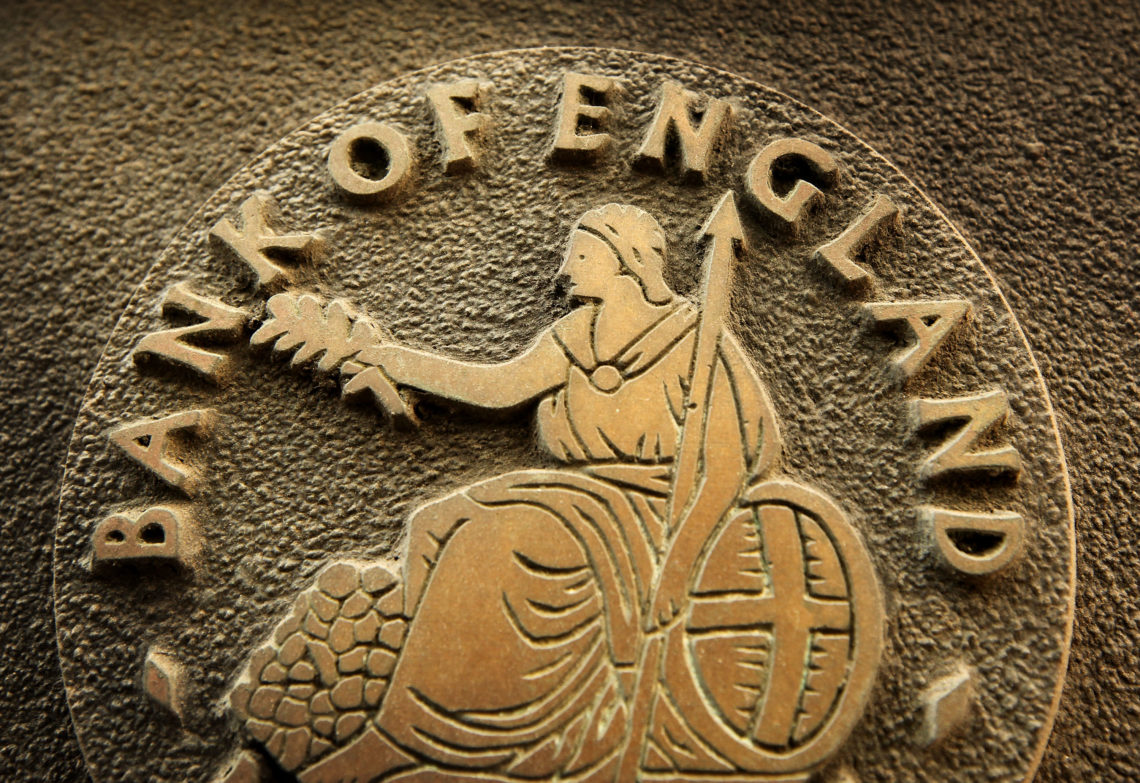


Every state school in the UK will be sent a new classroom resource for GCSE English students by the Bank of England (BoE).
The resource will be based on the economics book Can’t We Just Print More Money? written by Bank economists Rupal Patel and Jack Meaning. It offers an ‘accessible introduction’ centred around ten questions including ‘Why aren’t Freddos 10p any more?’ and ‘What even is money?’.
As well as being sent a copy of the book, every state secondary school will be sent a six-lesson resource which features extracts, presentation slides, and worksheets.
Can’t We Just Print More Money?
The authors of the book, Meaning and Patel, said that the book and resources ‘are designed to open economics up to as many young people as possible’ so that pupils have the opportunity to ‘explore and understand the economic world around them.’
They said: ‘Key theories are explained through engaging and relevant examples from daily life, which we hope will spark lots of discussions in the classroom.’
The lessons have been designed by English Consultant and former Principal Examiner for GCSE English Language Jo Heathcote.
Heathcote used the book to create ‘imaginative lesson content.’ Pupils will be encouraged to practice skills in inferential reading, analysis, different forms of writing, and ‘valuable speaking and listening opportunities for the classroom which will work across all specifications.’
Classroom barriers to economic education
Heathcote said: ‘One of the challenges faced by English teachers is having the time to find fresh new extracts and materials to work with at GCSE – especially suitable non-fiction texts.’
According to research commissioned by BoE, the majority of teachers said that a lack of time within the timetable was the main obstacle to the delivery of a financial education programme.
Andrew Hebden, Head of Outreach and Education at the Bank of England, said: ‘We recognise the time pressures and competing priorities that teachers face. We hope that, as well as helping to support the development of key skills aligned to the English curriculum, these lessons will encourage young people to think about how the economy works and their role within it.’