

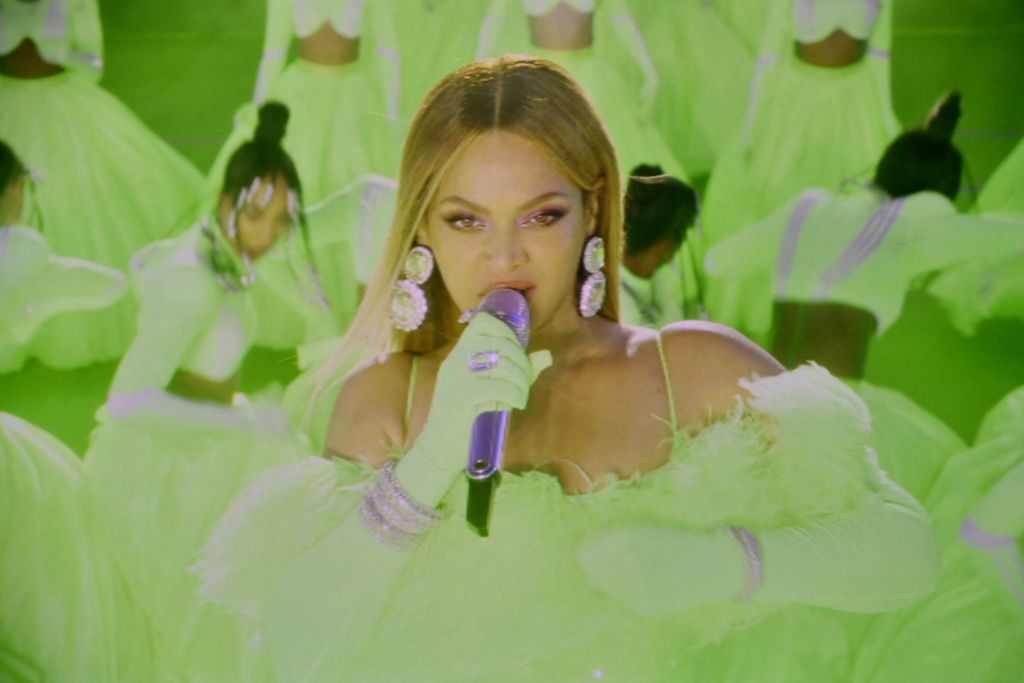


Beyonce has edited two songs on her new album Renaissance, following social media backlash.
Only having been out a week and critically acclaimed, the album has already made some changes. Even Beyonce herself isn’t immune from criticism, especially when it comes to ableism.
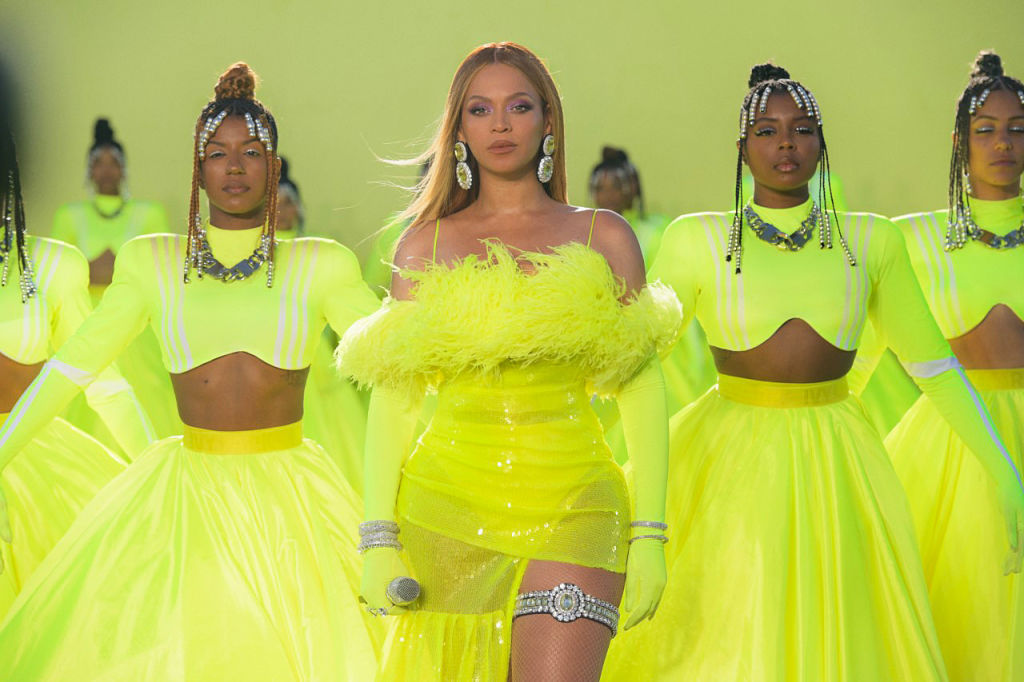
The song ‘Heated’ was the first to face backlash after Beyonce used a word deemed to be an ableist slur. As of Wednesday, the lyrics have been changed from “sp***in’ on that ass” to “blastin’ on that ass.” The controversy was so instant that it only took a matter of days for the change to be made.
Lizzo made the same mistake
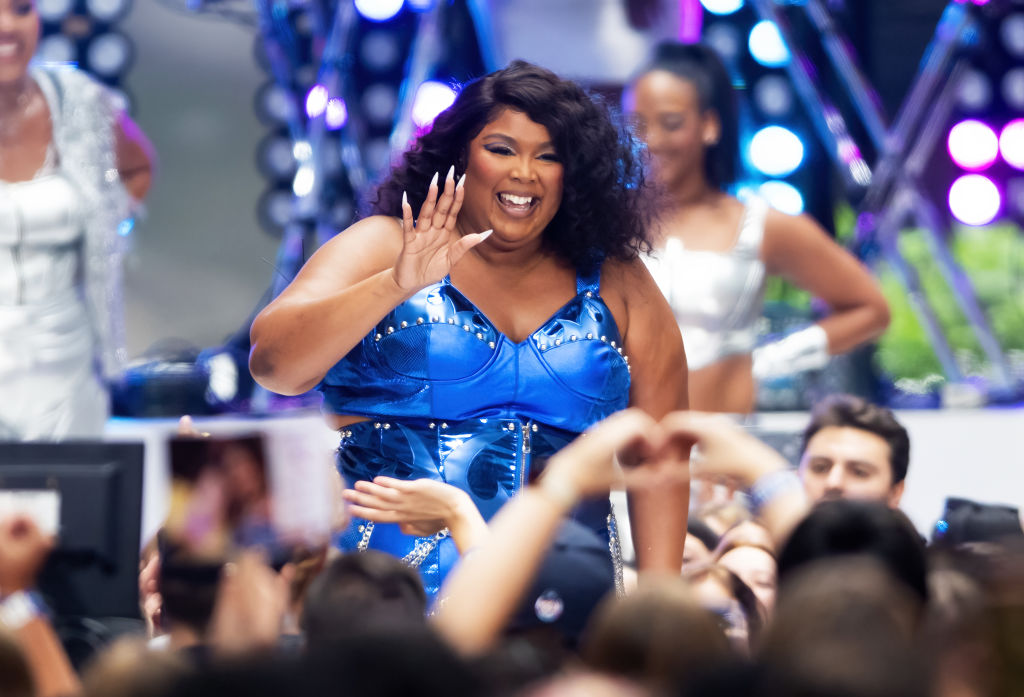
This comes after Lizzo made the same mistake just a few weeks before this, also changing the word and posting an apology on social media.
While it might not have been done maliciously, the term ‘sp*z’ is often used in a derogatory manner towards disabled people, especially those with cerebral palsy.
“Ableism has no place in music”
In an opinion piece by the Guardian, Hannah Diviney, whose tweet went viral for calling out Lizzo, explained why ableism has no place in music.
After praising Beyonce’s musical talent, she wrote: “But that doesn’t excuse her use of ableist language – language that gets used and ignored all too often. Language you can be sure I will never ignore, no matter who it comes from or what the circumstances are. It doesn’t excuse the fact that the teams of people involved in making this album somehow missed all the noise the disabled community made only six weeks ago when Lizzo did the same thing.”
Scope had their say
Disability equality charity, Scope, also had their say on the issue over on Twitter.
The tweet reads “Here we are again. Not long after ableist language from Lizzo, Beyonce’s new album features an ableist slur not once, but twice. Disabled people’s experiences are not fodder for song lyrics. This must stop.”
“Words matter. They reinforce the negative attitudes disabled people face every day,” the thread continued.
“When language like this is used by cultural trendsetters, is it any wonder that 3 out of 4 disabled people say they have experienced negative attitudes and behaviour?”
The statistics are heartbreaking. The disabled community is actively making us aware that this word is ableist, so why do artists continue to use it?
Hopefully the backlash has changed the narrative and artists will really think about the lyrics they’re putting out there and who it’s going to affect.
Given their influence on society and their huge fan bases, it’s the least they can do.