



The Government is backing a bill to recognise British Sign Language (BSL) as an official language in the UK which could benefit thousands of students.
It was announced today, Friday March 18, the government will reaffirm its commitment to improving accessibility for deaf people, by backing the latest stage of the British Sign Language Bill.
What is the BSL Bill?
The bill is recognising BSL as a language of England, Wales and Scotland in its own right supported by a duty on the Secretary of State for Work and Pensions to regularly report on what each relevant government department has done to promote or facilitate the use of British Sign Language in its communications with the public.
The bill also places a requirement on the DWP Secretary of State to issue guidance on the promotion and facilitation of BSL, which will be developed together with deaf BSL signers as part of the advisory board.
If the bill passes it means more inclusivity for deaf people or those with hearing impairment. The Minister for Disabled People, Health and Work Chloe Smith MP said this new bill will create a more ‘accessible society’.
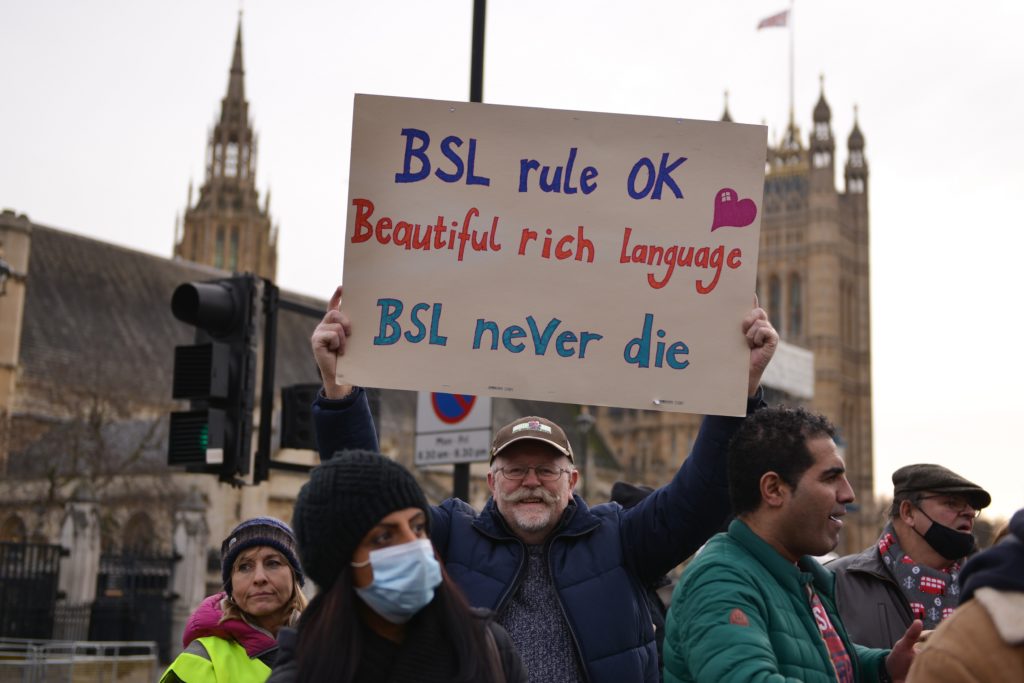
She said: ‘We know many D/deaf people can experience social isolation and face reduced access to work and education because of barriers in communicating their basic needs and aspirations.
‘Legally recognising BSL will create a more inclusive and accessible society, improving the lives of D/deaf people and helping public services to get it right.’
How many people will benefit from the bill?
A total of 151,000 individuals in the UK can use BSL, but the language is the preferred language of over 87,000 deaf people in the UK for whom English may be a second or third language.
As for it’s impact on education; in 2016, UCAS registered 507,108 university applicants where, statistically speaking, one in six of these applicants will have a hearing impairment. That’s a staggering 84,518 students – many of these could benefit from the bill.
David Buxton, Chair of the British Deaf Association said: ‘The BSL Bill presents a real opportunity for change, to finally break down avoidable communication barriers and to give Deaf people and their language – BSL – the recognition, inclusion, and equality that they deserve.
‘If the BSL Bill passes into law, we are ready to work hand-in-hand with the UK government to redesign public services that meet the unique needs of the 151,000 people who have British Sign Language as their first or preferred language.
‘We also hope that the legal recognition of BSL will encourage many more people across the UK to learn British Sign Language and go on to become interpreters, bilingual professionals and allies of the Deaf community. BSL can bring us all together as a society.’
Celebrities Backing The Bill
Strictly Come Dancing winner Rose Ayling-Ellis was not only the shows first deaf winner but first deaf contestant. During her time on the show she made huge efforts to highlight the needs and awareness for the deaf community.
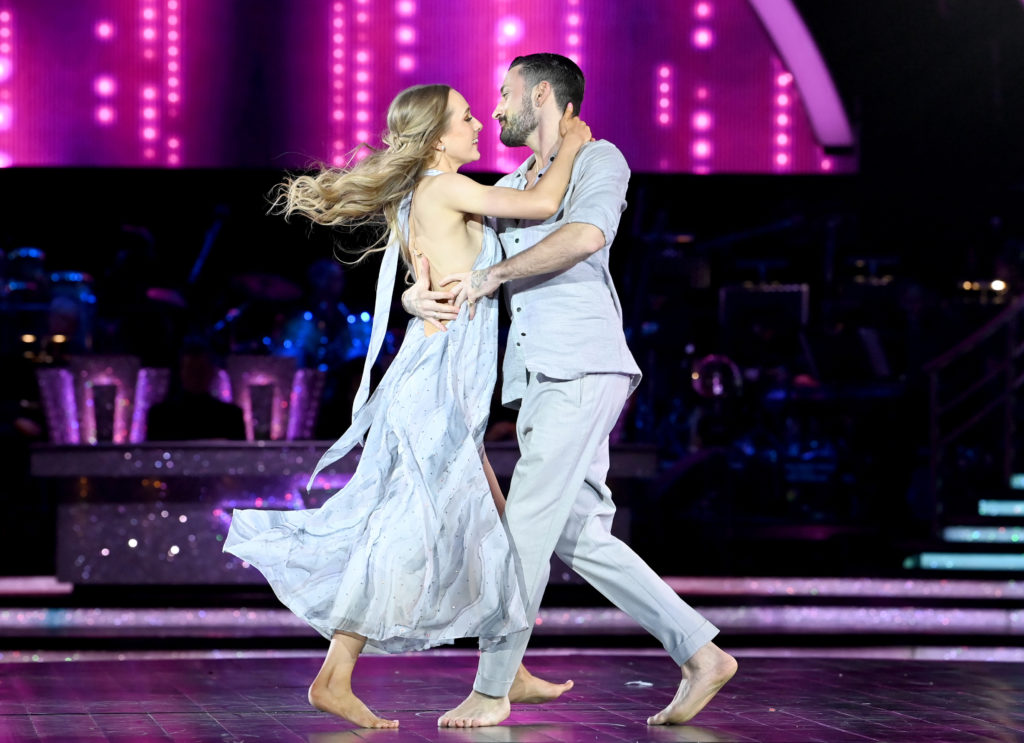
She relentlessly backed the bill in order to give people using BSL ‘respect’ as she told Hello Magazine: ‘I’m backing it because this is my language. The fact that my country doesn’t see it that way is really sad and means we don’t get the respect we deserve and the language deserves.
‘BSL is not an official language, legally, in this country. Which is outrageous. Because it is such a beautiful, rich language with its own structure, its own grammar, its own slang. It’s even got accents.’
She added: ‘If it becomes an official language, which we’ve been fighting for all these years, it will be so emotional for us. Because of the massive interest in BSL recently, a lot of people don’t realise how much of a fight the deaf community have had.’