

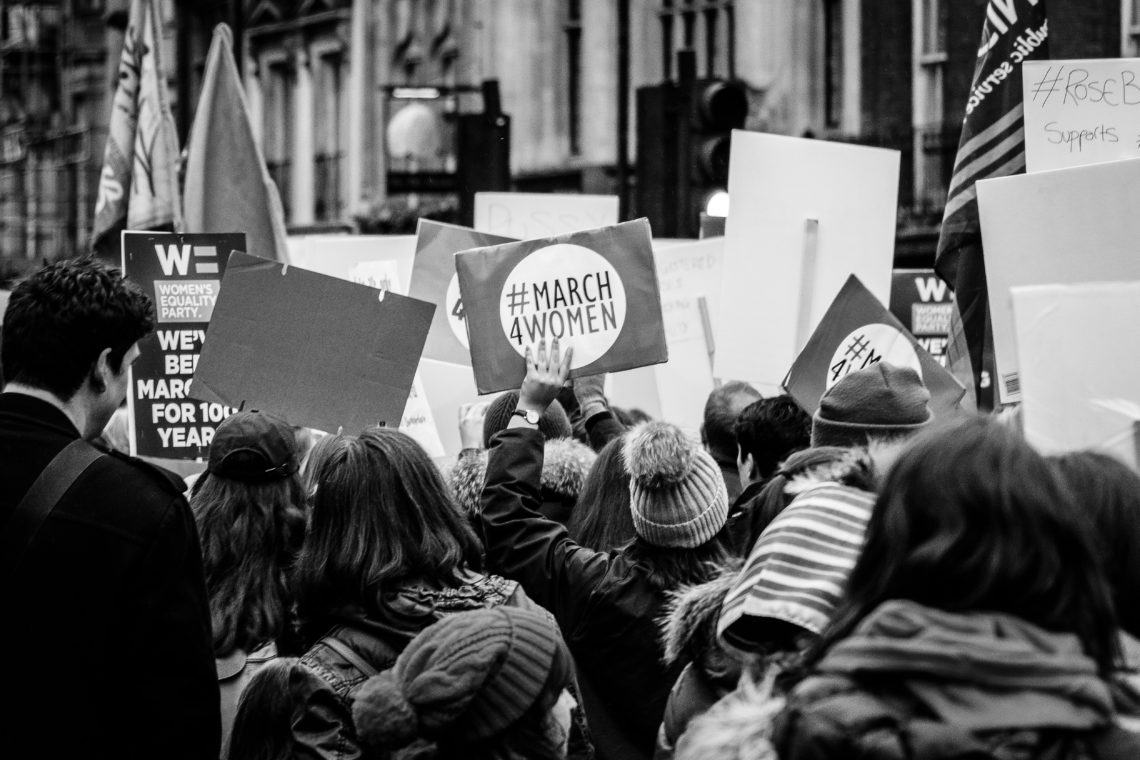


Feminism is a word that seems to be thrown around everywhere these days. It seems to be quite easy to label oneself as a feminist without actually committing to the cause. For example, I believe that it is one thing to say you believe women should have equal rights to men, and another to actually help implement the changes needed to physically materialise this idea. The works I have recommended below attempt to do both things, in a chronological sequence that begins with theoretical texts getting to grips with general concepts, then moves to novels that show these theories in practice, before ending with essays that provide the actual tools one can employ in their own lives.
Theory
Feminism, Interrupted – Lola Olufemi
This book is the perfect introduction to feminism. Covering a range of topics from reproductive justice to transmisogyny to sex work, Olufemi provides an insight into some aspect of every woman’s life that can be universally related to. If you are looking for a comprehensive, yet fairly brief, historical overview of everything feminism entails, I cannot recommend Feminism, Interrupted enough.
Gender Trouble – Judith Butler
Feeling brave? Try to tackle some Judith Butler. Although any work by Butler is extremely challenging to read, due to their rather convoluted style of writing, Gender Trouble takes a serious amount of concentration. However, every second is worth it. We always hear about gender being a social construction. But Butler takes this argument further to sex and really interrogates the performances individuals act out to reinforce heteronormative binaries. If an entire book is a bit too much, you can always try their seminal essay Performative Acts and Gender Consitution, in which Butler sketched out the premise of Gender Trouble.
Novels
The Power – Naomi Alderman
Although I was brought up with the saying ‘never judge a book by its cover’, I could not help but do that for The Power. I was immediately drawn to the bold, bright red colours and sharp, jagged lightning bolts on its front and, to be fair, it really did match the content. Set in a feminist utopia, Alderman makes women the dominant sex by giving them the ability to release electricity from their fingers – something men can’t do. Dedicating the chapters to perspectives from different characters, it is interesting to see the varied responses to this new matriarchy, and it makes you wonder what a world run by women could achieve.
The Bluest Eye – Toni Morrison
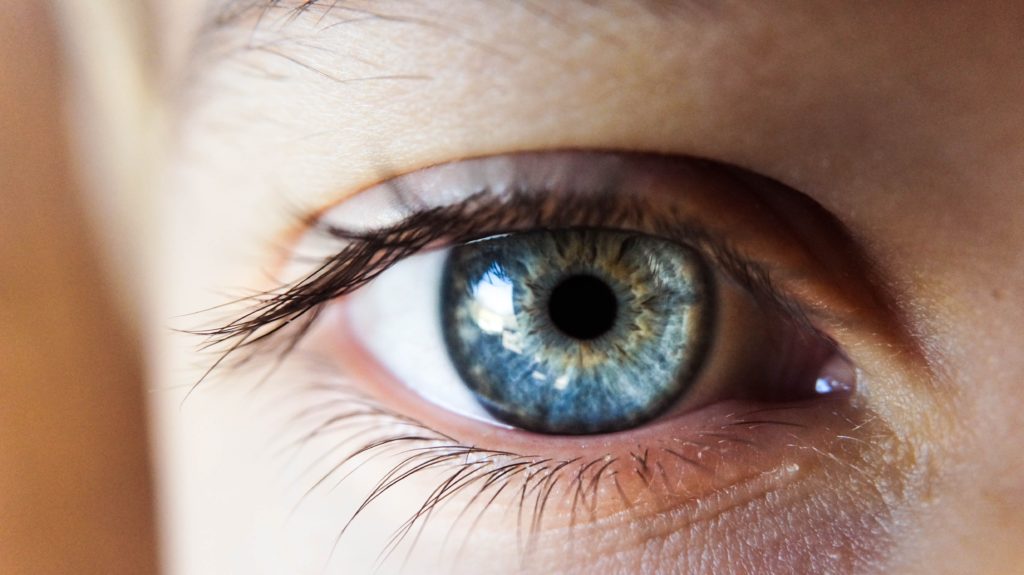
This was the first book I read by Toni Morrison and it truly changed my life. Not only did it pave the way to my complete obsession with her, but it was also the first time that I felt someone was actually able to explain what I was experiencing as a young, non-white girl. The Bluest Eye follows the life of Pecola, an 11-year-old who encounters feelings of racial inferiority after recognising that whiteness and having blue eyes are deemed to be the most beautiful features a human being can have. I think this book is really important for understanding intersectional feminism and how a woman’s race can grant her more or less privilege than her sisters.
Essays
Womanist – Alice Walker
Speaking of intersectionality, this groundbreaking essay by Alice Walker defined the term ‘womanist’ to create a space for women of colour within feminism. Since its inception, the various waves of feminism have tended to focus on white women’s needs, disregarding the lived experiences of Black, Brown and Latinx female communities. Walker problematises this idea in this work, which is epitomised in the final quote: “womanist is to feminist as purple is to lavender”, suggesting that the more inclusive and broader term womanism should supersede the narrow strand of feminism. This essay went on to form the basis of her most celebrated novel The Color Purple, which is another great feminist read.
We Should All Be Feminists – Chimamanda Ngozi Adiche
If there is one work you should read on this list, it is this one. We Should All Be Feminists actually was published as an essay after its delivery as a TEDx talk, which I definitely recommend watching to get a grasp of the depth of passion and emotion imbued within Adiche’s agenda. Through a series of personal anecdotes, she argues that people need to start embracing the term ‘feminist’, rather than being scared of it. In particular, Adiche emphasises men need to become more involved in the movement, because an equal society benefits absolutely everyone.