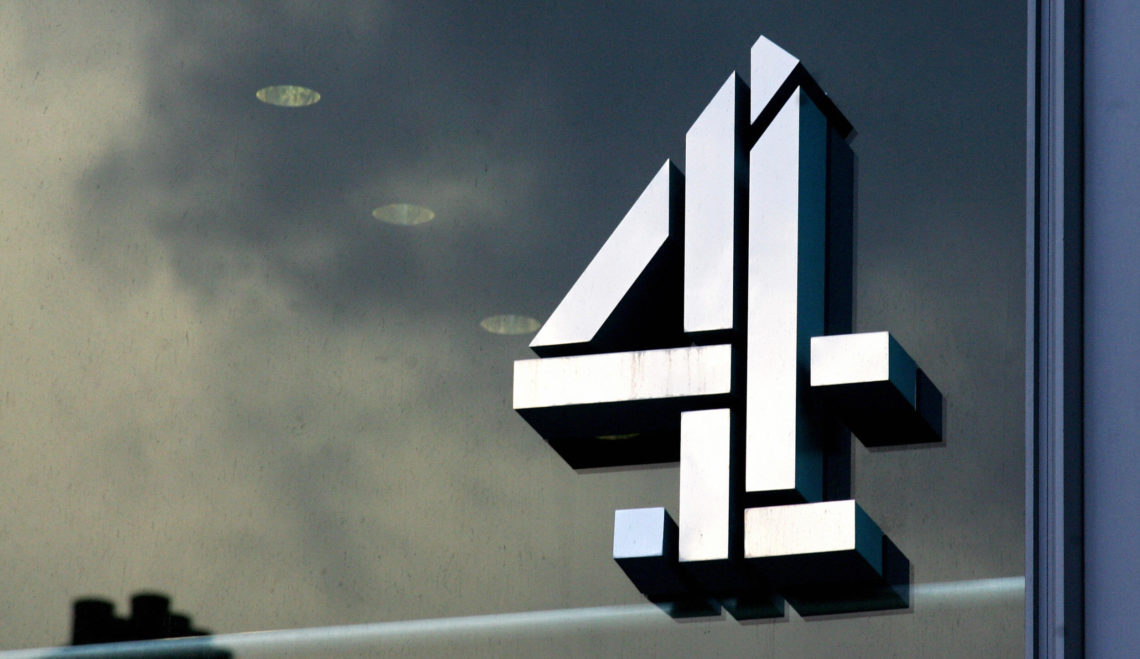


Channel 4 was first launched in 1982, as a publicly owned broadcaster funded by adverts. Unlike other broadcasters, Channel 4 doesn’t actually produce any of the programmes it airs, instead outsourcing to independent production companies. The channel aims to ‘create change through entertainment,’ doing so through ‘representing unheard voices, challenging with purpose and reinventing entertainment.’ However, on 5 April, Boris Johnson announced the channel would be sold off to the private sector.
Over the past 40 years, Channel 4 has broadcast hugely popular shows like Queer as Folk, The Great British Bake Off, and Peep Show. Many Channel 4 shows are particularly aimed at young people, with classics like Skins, The Inbetweeners and Naked Attraction all coming from the broadcaster. It isn’t clear who will buy it, or what a privately owned Channel 4 will look like, but the move has been criticised by MPs, media figures, and members of the public alike.
But what about students? With more and more students moving away from traditional broadcasters, does it really make a difference in our lives? Here’s what some of the students I spoke to said.
A bad idea
Ellen, a final-year history student at the University of Birmingham said, ‘I don’t think it’s a good idea, and it seems that many of the idea’s supporters don’t actually understand the difference between publicly owned and publicly funded.’
As Ellen suggested, Channel 4 is publicly owned, which means it answers to the public rather than shareholders or individual owners, but it is not publicly funded. This means it is not paid for by taxes, rather, its revenue comes from adverts, just like other privately owned channels such as ITV and Channel 5.
Changing habits
However, Emilia, a final-year Geography student at Cardiff University said, ‘To be honest, I don’t really watch proper TV, I mainly watch Netflix and Amazon Prime, so I’m not sure it will make much of a difference to me. I think it’s more something that matters to older people.’ But, while it may not be immediately obvious, a lot of content on streaming platforms like Netflix were initially funded and broadcast by Channel 4.
‘Social education’
Jennifer, a final-year English student at the University of Birmingham said, ‘I think [Channel 4] is a great output for opinion, critique and social education. Gogglebox for example is a show centred around opinion and conversation that although seems like comedy makes space for diversity and varied conversation about the televisual media and popular culture we are exposed to.
‘Going beyond this, I see Channel 4 as slightly more progressive than its competitors which I fear would be lost if privatised. It’s A Sin for instance was rejected by ITV and the BBC yet was hugely important for bringing to light the AIDS crisis and the treatment of marginalised groups in our country’s history and still today. Changing the set up of the channel to produce profit, rather than putting the money back into the channel, might mean important shows and documentaries may be lost if they cannot attract enough advertising.’
Whether you realise it or not, you probably interact with Channel 4 content all the time and, whatever privatisation means, it will almost certainly change what that content will look like in future.
Finally, Dominic, who is taking a gap year before starting a masters’ in graphic design said ‘it’s absolutely nonsensical, there is no good justification for privatising a channel that costs the public nothing and provides a great service to the industry and the consumer.’