

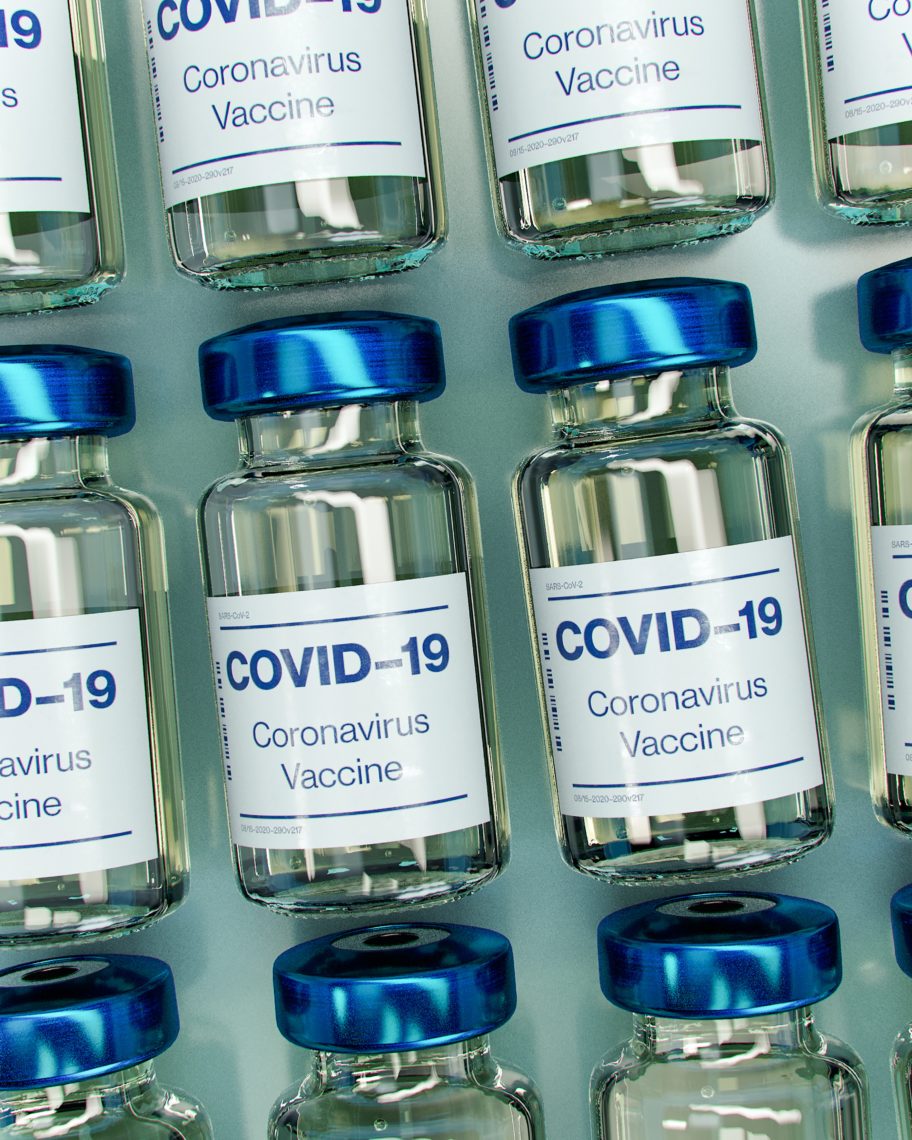


Throughout the pandemic, it has felt like other people have constantly been speaking over us when it comes to the student vaccinations debate. From clickbait headlines about breaking rules, to claiming young people didn’t want to get vaccinated before we even had a chance. It often feels like students have become a scapegoat for a much more complex problem.
Personally, almost everybody I know got both jabs as soon as they could and have now had their booster or are waiting the required 28 days following a positive test to get one. Of course, there are some students who haven’t had all the doses available to them for a variety of reasons, from genuine anti-vax sentiments to simply not getting round to it. However, there are people in all demographics who have not been following vaccine guidance for all sorts of reasons.
What the stats say
A recent survey found that 90% of university students have had at least one COVID vaccine, with 78% having both. Among the general population, 90% have had one dose, while 82% have had both. Given students tend to be under 30, and thus have had access to both doses for less time than many other, it is unsurprising that the number of students who have had both doses is a little lower.
However, it is clear that students are reading and willing to get their jabs when available. So I spoke to some students from across the country about their feelings towards the vaccine.
Hoping for a better future
Of the students I talked to, most said they got their vaccine either to return to pre-pandemic life or to protect the wider community. One third-year Geography student at Cardiff University said: ‘I find that most students I’m friends with want a bit of normality and their lives back, and see the vaccine as a way of getting that.’
Lauren, a third-year student at the University of Birmingham, said: ‘It is absolutely vital for those who are able to get the vaccine to get it as soon as possible. Protect yourselves and others, especially those more vulnerable than yourself. As students, we need to play our part to control the speed not only in general, but among ourselves as a close-knit community.’

Cerys, who studies English and Creative Writing at the University of Birmingham, said: ‘Personally I think it is really important to get vaccinated because that is the best way out of this pandemic by reducing deaths and transmission. I queued for four and a half hours back in May to get my first jab because I wanted to do my bit to protect myself and others.’
They went on to say: ‘It is also important though that those of us in the UK recognise our privilege in being able to get vaccinated and put pressure on our government to provide vaccines to other countries and make the formulas freely available so that countries can manufacture their own. We need worldwide vaccination to truly end this pandemic and reduce the risk or more variants developing such as the recent omicron variant.’
A key priority
Other students shared the sentiment that improving worldwide access to the vaccine should be prioritised. Dominic, a recent Product Design graduate from Coventry University, said: ‘I got my jabs because it’s the best way for us to all get out of the pandemic. But the most important thing now should be vaccinating as much of the world as we can stop new variants popping up, and protect everyone. Not just those who live in countries that can afford it.’
Like the other students I spoke to, I got my vaccine because I want to protect those around me,
and also because I want life to go back to normal, and vaccines are the only way I see that
happening. I also got the vaccine because, although I am at low risk of being hospitalised with
COVID-19, I want to reduce my risk of long-COVID symptoms such as long-term loss of smell and
taste.
There is no one way that every single student feels about vaccinations. But the figures look good.
Whether it is to protect yourself, to be able to go clubbing as usual, or just to get a cool sticker,
everyone should get their jabs as soon as possible. Especially now the booster is available to all
over-18s once three months have passed since their second dose.
See also: Why cutting tuition fees to £8,500 does not benefit students