

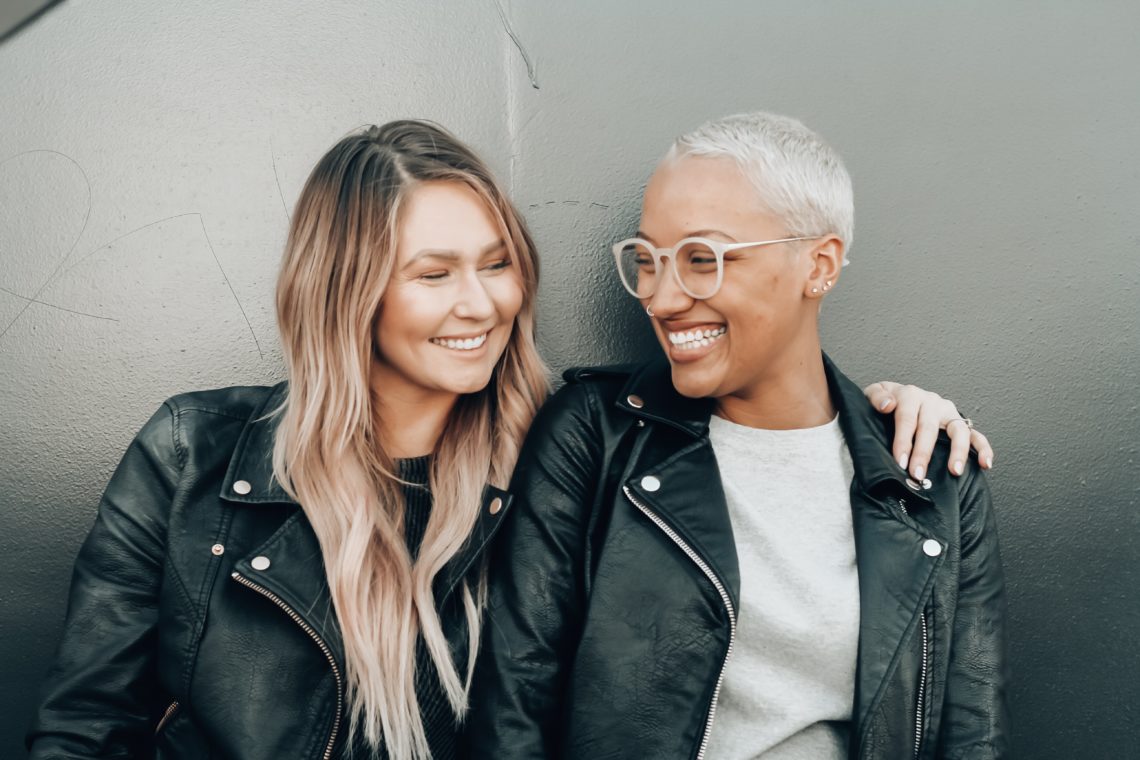


If you are moving to student accommodation or a student house, you will likely end up living with someone who is perhaps disabled, black, Asian, gay, lesbian etc. You will make lifelong friends at university, and to maintain these relationships it’s important to never make your marginalised friends feel as though you don’t understand them or what they go through on a daily basis. So here are some tips on how to be a good ally, not just to those you are friends with, but anyone who is a minority.
Recognise that normalisation does not make it okay
This one is pretty straightforward. There are some slurs which have been normalised in society, and it is important that you have no slurs in your everyday vocabulary. In any context, no slur is acceptable unless you are a member of a particular group who has reclaimed a slur. Some common phrases are often said in such a normalised way that it is scary, such as:
- F*ggot, used to ‘jokingly’ insult someone who isn’t gay.
- Ch*nky, in the context of Chinese food.
- Calling someone a r*tard.
Some people will claim that these phrases are not racist, often because ‘other people use them’. If you are one of those people, in the nicest possible way, you are racist/ ableist/ homophobic. Sometimes, if a slur is masked by the fact that it is used in everyday discourse, people ignore how powerful it is, and how much of an impact it can have on certain people. It is still offensive, regardless of how many people say it, so stop.
To be a good ally, you need to recognise that these types of phrases are still racist/homophobic, and perhaps educate yourself on the origins of certain slurs.
Understand that context means nothing when it comes to slurs
‘But I’m not saying it in an offensive way’, is something I have heard a lot in my 24 years of life. The truth of the matter is, there isn’t a situation where using a slur or offensive phrase is remotely acceptable.
For example, one situation I always find non-black people using the n-word is when they are singing or rapping along to a song performed by a black artist. A lot of people will often claim that this isn’t racist, or ask whether or not they are able to say it in this context. I will make it super easy for you: unless you are black, you can’t. When it comes up in a song, you can’t say it. Either blank it out, replace it with another word, or stop listening to certain songs if you can’t control yourself. It is the bare minimum for black people to expect you never to use the word in any context, but it will also be recognised by your black friends, and this will make you a great ally.
A lot of people don’t understand how uncomfortable it can make black people to hear non-black people using the n-word when they are singing along to a song, so DON’T do it.
Educate yourself on important social issues
Your minority friends will be greatly appreciative of your knowledge on issues which affect them directly. Learning more about the civil rights movement, important activists throughout history, and known victims of oppression can help you to be more understanding of your friends.
With this, it’s important that you realise how sensitive some topics are and, although you should know about them, you shouldn’t bring these up with your disabled/ LGBTQ+/ BAME friends. For people like me, discussing racism can be particularly traumatising so, unless they want to discuss it with you, be mindful that they probably don’t want to have a casual conversation about it.
Allow your marginalised friends to speak for themselves
When your friends do decide to discuss their experiences of oppression with you, it is incredibly important to allow them to have their voice. Do not interrupt them if they are discussing a time that they were a victim of hate crime. And do not compare this to something that happened to you unless you are also a marginalised person, as this will be an incomparable situation. Do not respond to such stories with things like ‘I didn’t know that was offensive’, or ‘You should have done this…’.
Listen intently to your friends, and let them know that you are there to support them and listen to them whenever they need someone to talk to about these types of things.
Call out any of the above, if you are a non-poc, not disabled, or straight
Provide a voice for your marginalised friends when they aren’t around, and ensure you speak up when somebody says something that is unacceptable. Be prepared to potentially lose friends or create awkward situations, but this doesn’t mean you shouldn’t do the right thing. Furthermore, in my opinion, you won’t be losing anybody important if they are using offensive language or slurs in their discourse.
It is important that you don’t take away the voice of a marginalised person, but also provide a voice for them when they aren’t there to do so themselves. It is also beneficial for you to encourage the same of your friends and family.