

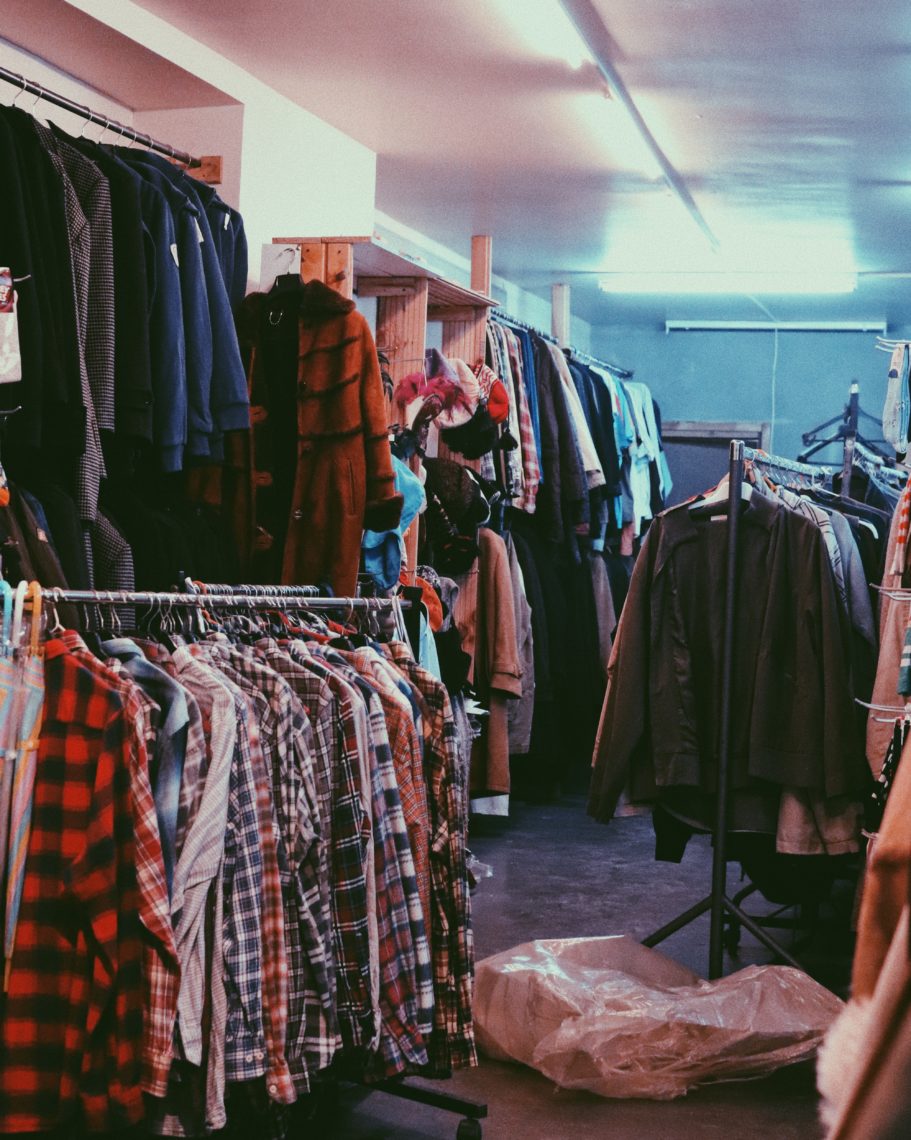


Let’s be honest, there’s a rush that comes with buying new clothes that makes it almost addictive. Planing outfits and occasions around that new piece, the ‘is that top new? I love it’ comments, and the feeling of finding an item that just feels so ‘you’ are hard to beat. But, for a lot of students, buying brand new clothes constantly is impossible with our tight budgets. More and more students are also concerned with the environmental impact of their consumption, so don’t feel comfortable supporting fast fashion brands. That’s why charity shopping is so great. Not only is it cheaper. You are also buying clothes that would otherwise be going to landfills.
While the stigma against charity shopping is not what it once was, a lot of people struggle to find clothes that they love. Especially when they’ve spent years shopping from high street brands. I used to volunteer at a charity shop and most of my clothes were bought second-hand. So here are a few tips I’ve picked up along the way.
Look for certain items but be open to anything
Compared to a normal high street shop, charity shops can be a little overwhelming. The clothes are usually sorted by colour, type, or simply just size. That means that, if you don’t know what you’re looking for, it’s hard to know where to start. If you have an idea of a few general things you’re looking for, or a colour palette you like, this will give you some direction. However, you shouldn’t feel too stuck to this. By their nature charity shops will not necessarily carry what you’re looking for. If you come in looking for a long skirt, don’t feel like you cant’ buy that crop top because it wasn’t what you came for.
Find areas with a lot of charity shops
Given how hit-and-miss charity shops can be, sometimes it’s not worth the trip for just one. Luckily there are some areas that have loads of charity shops near each other, which means you can visit loads of shops in one trip. If you’re in Birmingham, Harbourne has loads of great charity shops, while from Manchester, Wilmslow is definitely worth the short train journey. In areas like these, you can often find niche charity shops that sell specific items, like books or vintage clothes.
Keep going back
Charity shops are constantly changing up their selection. So it’s worth going back as much as possible. This way you have the best chance to find great items as soon as they show up. At the charity shop where I volunteered, we would keep clothes on the shelves for two weeks, but had a constantly rotating stock.
Try independent shops
While the big-name charity shops like Oxfam and Barnardos are great, sometimes independent shops have the best bargains. If your local charity or church has a shop attached, make sure to check it out. You might find a gem at prices you would never see from a chain.
Learn to sew
Okay, this one is a big commitment but, once you have some basic sewing skills, you will have so many more options at charity shops. From simply shortening trousers to complex thrift flip projects, once you know how to sew you will be much less limited by size, and will be able to give out-of-date silhouettes an update.
Read next: The stages of writing a dissertation