

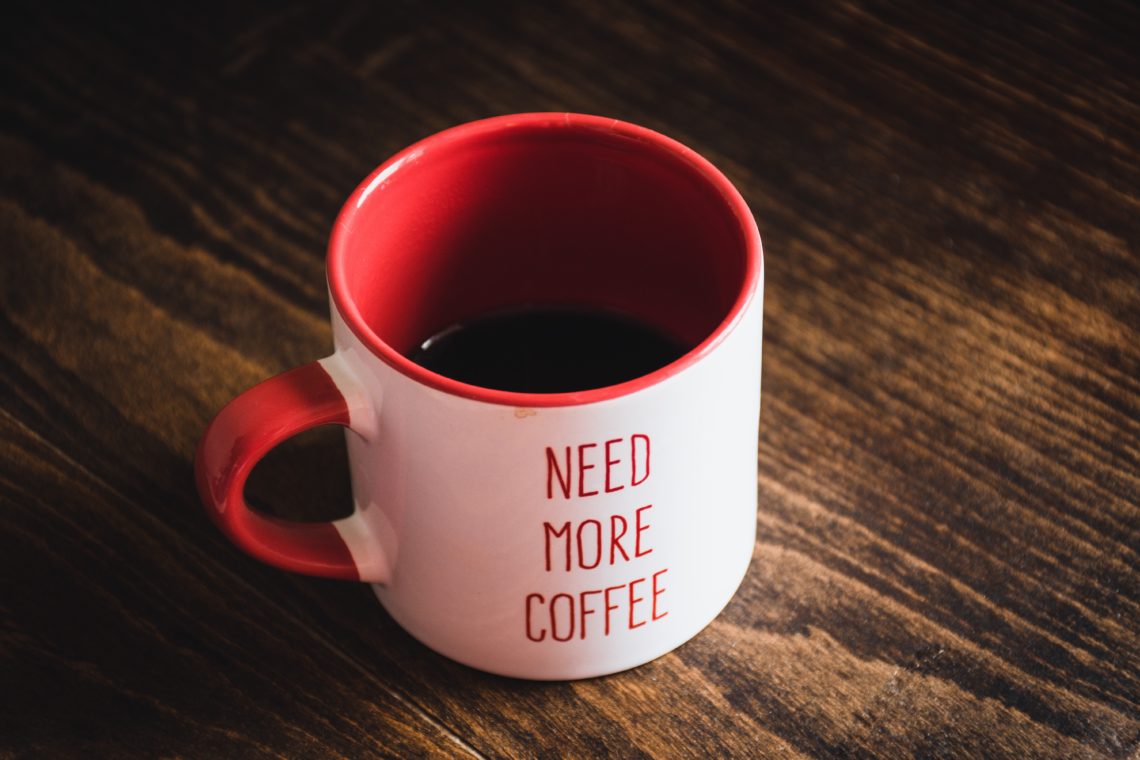


Caffeine is a normal part of everyday life for many students, but how much is too much? Here are some tips on why and how to cut back on caffeine at uni.
Let’s face it, for many students, caffeine is as essential a part of daily life as food or water, and in some cases maybe even more so.
There’s a reason why coffee shops are always bustling around student buildings. It’s how many people get through their lectures or revisions in exam season.
There’s nothing wrong with using it to wake you up, but it’s worth taking a closer look at your relationship with caffeine is, and when it might be less than healthy. It is possible to enjoy caffeine without being dependent on it, and here’s how.
How To Cut Back On Caffeine At Uni
Notice the effects
If you suffer from anxiety, you might not necessarily link it to your coffee or tea. However, caffeine can exacerbate anxiety and other psychiatric conditions. The heart palpitations and “jitters” associated with caffeine can easily. manifest as anxiety, especially with high doses.
Headaches can also be caused by caffeine usage. This is partially because consuming these beverages can lead to dehydration if they aren’t paired with water. In addition, some caffeine users may suffer from insomnia, having sleepless nights that leave them tired and needing more caffeine in the morning.
If any of these effects apply to you, it might be worth taking some steps to cut back.
STUDENT TIPS: How To Fix Your Sleep Schedule
Watch the time
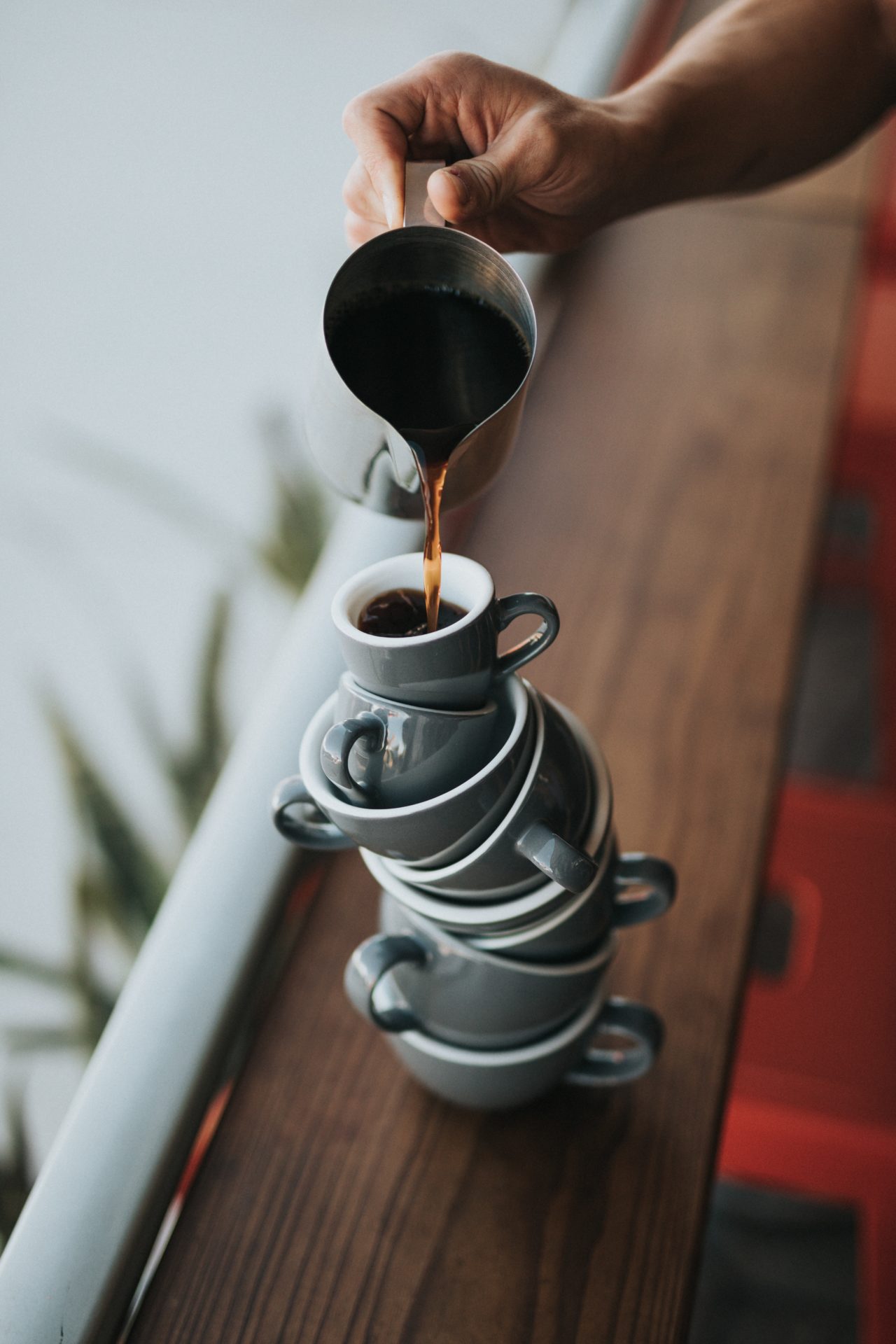
It may seem obvious, but the time of day in which you consume caffeine can greatly affect how you react to it. It’s best to not consume any caffeinated beverages after 2pm, and if you can finish your last cup in the morning, that’s even better.
Control portion size
A lot of travel mugs that hold coffee are pretty big. They can hold up to almost four cups of coffee. So, investing in a smaller container or making a habit to fill it only part of the way can be helpful in reducing your caffeine consumption.
Make substitutions
Caffeine can become a part of our daily habits, and that habit can be even stronger than the chemical itself. The good news is that you don’t have to break that habit to reduce your caffeine intake. You can still have the comfort of a hot drink in the morning or a soda with lunch, but simply swap out your usual fix for a low-caffeine tea, decaf, or sparkling water. Reducing caffeine gradually over a few weeks will help prevent withdrawal symptoms.
Anticipate cravings
If you’ve been drinking caffeinated beverages on the regular and decide to stop, it’s possible that you will get cravings around the time you would normally be taking in caffeine. Come up with a strategy for dealing with these beforehand, whether it’s a short walk, breathing exercises, a reduced dose, or a different beverage.