




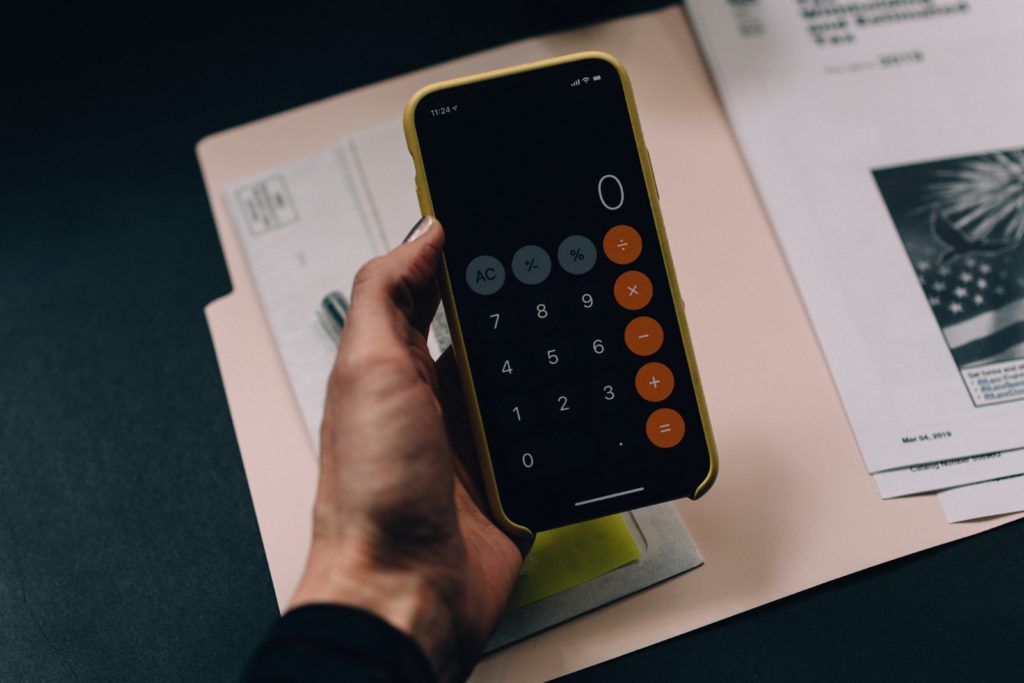
Fighting the urge to spend all of your student loan at once is incredibly difficult, especially with the freedom that comes with being a student. Constantly socialising and impulsively buying whatever clothes or food you fancy is way too tempting. But if, like me, getting your first student loan was the most money your bank account has ever seen, it is probably best to budget. Although it seems like there is a lot to consider, managing money is not rocket science, and you don’t need to be a maths whiz to do it. Get that phone calculator out and let’s go.
There is no one size fits all
Your budget depends on your income, necessities, and lifestyle. So, the more specific, the better. This does not mean tracking every penny you spend. Keeping a general flexible budget will save you time and stress. The main things to think of before making your budget are what money is coming in and what are the essentials to spend it on first.
Note down your sources of income, how often you get them, and how much you get. Examples of this are your student loan, money from any part-time jobs and, if you are lucky, money from the bank of mum and dad. Then, make a note of the regular payments you need to make. This is usually rent, bills, travel costs and money for your weekly food shop. If you like to save money, factor this in too.
One-off payments
Some items only need to be bought once, so should be taken off your budget if they fall within its time frame (term/month/year). Things such as society memberships, work or sports uniforms, gifts for friends or family, a railcard, etc should be taken into consideration before giving yourself a weekly sum. That way, if you go over budget slightly, these purchases will not be affected.
Working out your budget
After these irregular payments have been taken into account, you can budget for the rest of your expenses. The easiest way to do this is to divide your entire budget into weekly or monthly chunks. This can then be prioritised for the essential payments – such as rent – that you initially identified. Anything left over from your necessities can then be used for non-essential purchases. Again, these are individual, but may include things like clothes shopping, takeaways, days or nights out, and gym memberships.
Avoid breaking this down further to keep your budget simple. Have the money left for non-essentials, as general disposable income as your plans will change each week. Importantly, if you do not spend all your weekly budget, the remainder can be used the next week or put into savings.
Keeping track
The best way to keep track of your money is by having multiple bank accounts. Having at least two is essential, in case for any reason you cannot access one account, you always have the other to fall back on. Book an appointment at your bank or building society if you need help setting these up.
Having one savings account and one student current account is extremely useful, especially if you can view them online or in an app. This way, you can keep the main bulk of your money in your savings account and transfer your specific amount into your current account at the start of each week. From this, you will be able to see if you are budgeting too much, or too little. If needed you can alter your budget accordingly.
Another great app to use is ‘Splitwise’ which is used to keep track of what you owe your friends and what they owe you. No more footing the bill for a shared uber home or group living costs such as loo roll and milk.
Don’t be hard on yourself
Particularly if you are managing large amounts of money for the first time, do not be disheartened if things don’t go to plan. Of course, try not to go crazy and spend your pennies on ridiculous things. But budgeting involves trial and error.
In my experience, the first term of university is the hardest to budget for. You are beginning a completely different routine and lifestyle, with a lot more responsibility and, to be honest, you just do not know what you will be getting up to. Student bank accounts come in handy here. They often offer a fee-free overdraft, should you need that extra bit of help (I know I do). Relying on your overdraft is something to avoid where possible. But it is there to be used, and can be paid off after university.
Ways to cut back
For the times you find yourself spending too much, try to cut back on little habits that add up to overspending. You will already know classic examples of these. Buying cheaper food alternatives such as own-brand products from less expensive supermarkets or having a week off takeaways is a start. Walking (where it is safe) instead of getting a taxi and re-wearing old clothes rather than buying more also goes a long way.
Please don’t worry. Using student finance and bursaries will hopefully mean you will not have to be too frugal or miss out on any social events. But exercising self-control and keeping an eye on your spending is a good habit to get into.
Read next: University students set to be hit by more strikes