



Inflation – the speed at which prices rise – has jumped to 9.4% in June 2022, up from 9.1% in May. The last time inflation dipped below the 2% Bank of England target was in summer 2020 as a result of the coronavirus lockdown.
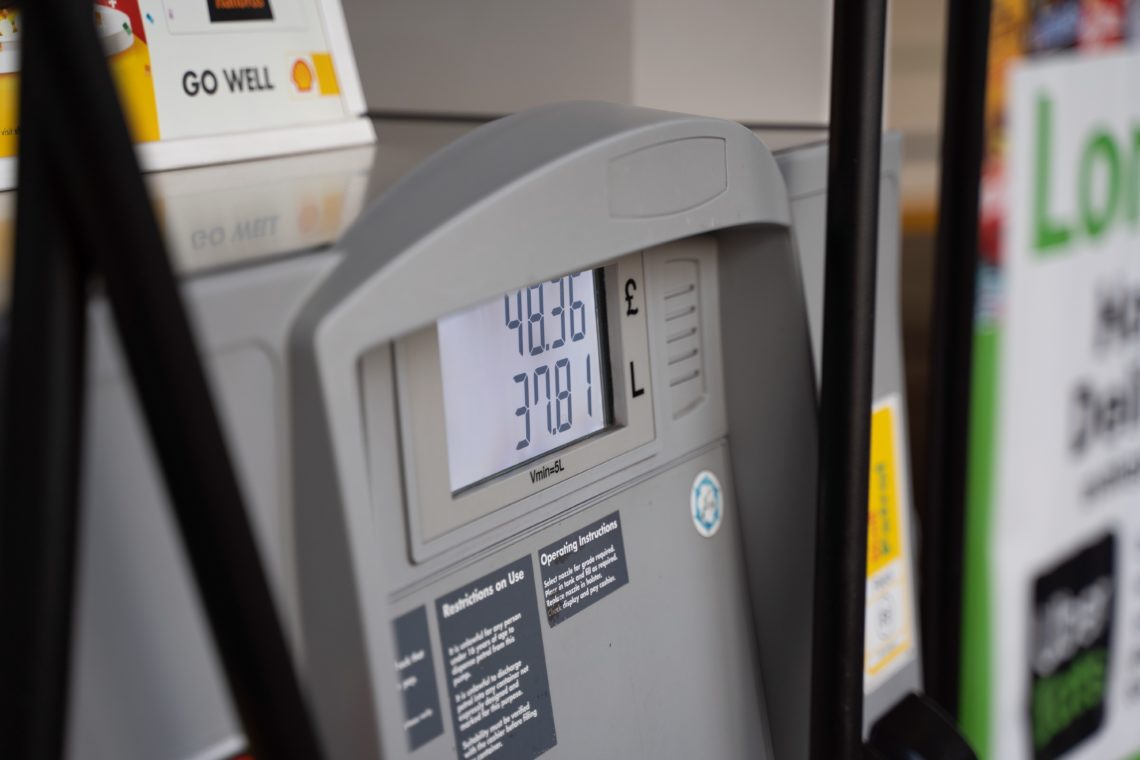
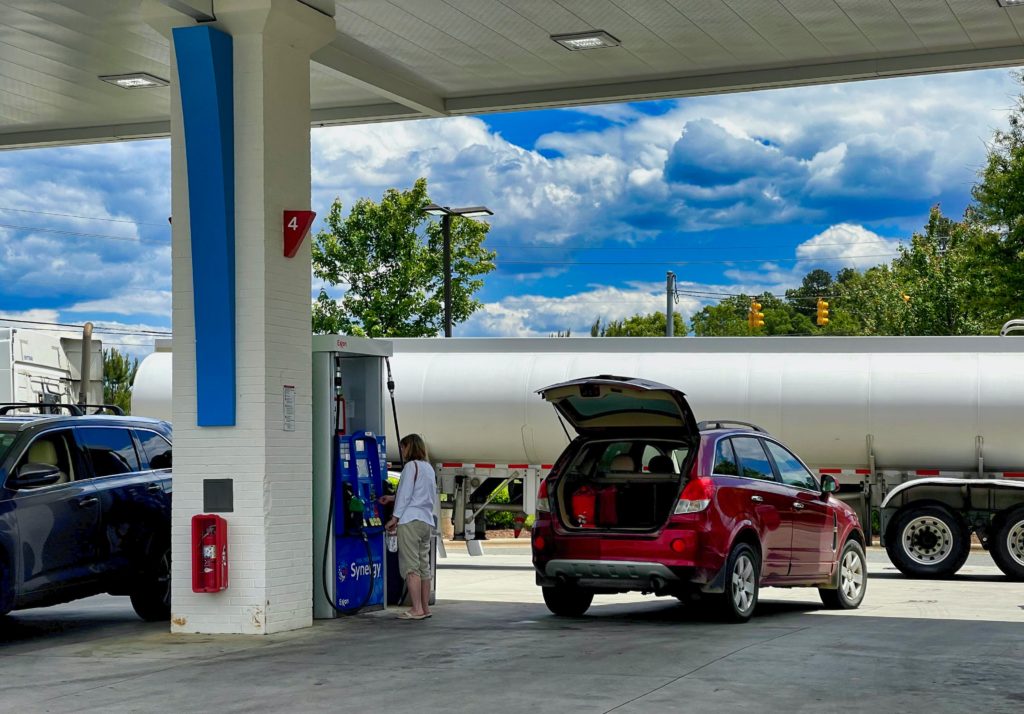
Due to the war in Ukraine leading to efforts in Europe to reduce dependence on Russian oil, fuel prices have shot up in recent weeks. In June alone, the price of fuel increased by 18.1p per litre. Petrol prices in June reached 184p per litre whilst diesel increased to 192.4p – both a record high, meaning that the average family car costs around £100 to fill up, and even small cars are seeing the cost of a full tank to reach well over £60.
Climbing costs
Similarly, the price of food has also been climbing, as costs increase at the fastest rate since March 2009. ONS figures show that eggs, cheese, and milk saw the biggest rise as well as vegetables and ready meals.
Research company Kantar told the BBC that they expect supermarket bills will increase by an average of well over £450. Alongside skyrocketing energy bills – which increased by an average of £700 per household this April and are expected to rise again in October – the country is also seeing hotels and restaurants increase prices by around 8%.
Whilst increases to the cost of living are affecting people around the world, the UK is under particular pressure. Here, we have an inflation rate higher than that of the USA – and much of Europe. Annual inflation in Germany stands at 8.2%, and 6.5% in France – it is currently 9.4% in the UK.
‘Combined influence’
Speaking to the BBC, consultancy firm Capital Economics’ chief UK consultant Paul Dales said that surging energy prices and worker shortages were the two main causes of global inflation.
However, Dales pointed out: ‘The euro-zone has the first factor but not really the second. The US has the second factor, but not really the first. The UK has both. That’s why inflation is highest in the UK.’
Dales also said that EU governments have ‘done more to prevent’ the wholesale prices of gas and electricity from affecting their citizens’ household costs.
Furthermore, though the UK’s labour market is ‘just as tight as in the US’, Dales observed that workers in the UK are ‘more able to bargain for higher wages’ – which can fuel inflation even further.
Dales concluded that the ‘combined influence’ of the coronavirus pandemic and Brexit have lead to a significant shortage of workers due to a reduced intake of arrivals from overseas and an increased working-age demographic that has ‘either become unable to work or decided they no longer want to or need to work.’