

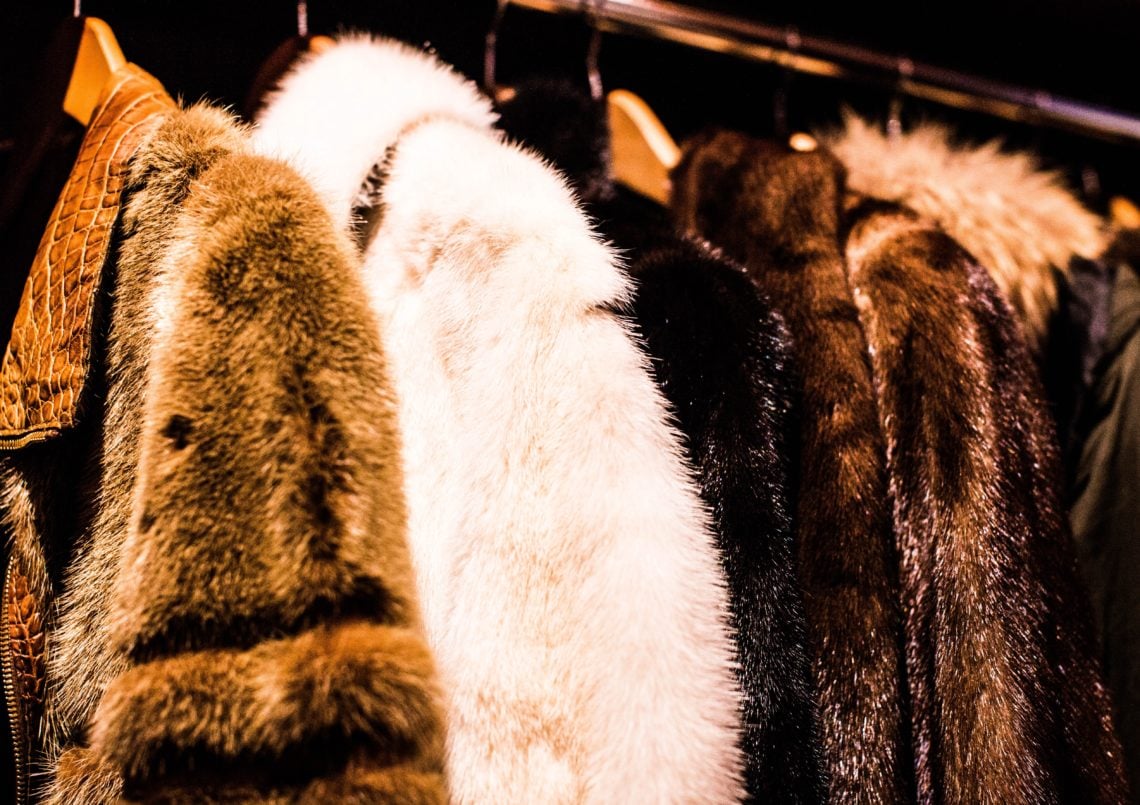


The UK government is likely to abandon its plans to ban imports of fur and foie gras as a result of alleged opposition to the move within the Cabinet. The ban was supposed to be included in the Animals Abroad Bill set to be introduced soon. But several cabinet ministers have reportedly opposed these proposals.
Farmers in Britain have already been banned from producing foie gras, a luxury liver-based French food vehemently opposed by animal rights activists due to its production methods, which involve force-feeding geese. Similarly, fur farming was made illegal in the UK in 2000, although animal rights campaigners have steadily pushed for a ban on overseas imports.
The government told the BBC that ‘a final decision had not been taken’, and that the government was ‘united in its commitment to upholding its world-leading standards in animal welfare.’
‘Cruel to produce’
In June 2018, there was some suggestion that Britain’s exit from the European Union would hasten a ban on the products. Environment Minister George Eustice told MPs that, despite foie gras ‘belong[ing] to the protected cultural and gastronomical heritage of France,’ when Britain left the EU, ‘we do indeed have an opportunity to look at restrictions on sales.’
Eustice was responding to calls for a ban from across the political divide. Conservative Henry Smith told MPs foie gras was ‘cruel to produce, unhealthy to eat and expensive to produce’, and that it was high time to push forward a ban on ‘this outdated practice.’
Executive director at Animal Equality UK, Abigail Penny, told the BBC that practices such as these were ‘immensely cruel’, adding that the UK government ‘has been claiming for many years now that they would be looking to ban the importation […] I think the ban matters a lot to these animals that are currently suffering and struggling.’
However, Frank Zilberkweit of the British Fur Trade Association told the BBC that ‘the UK public will decide for themselves whether they wish to purchase fur […] If the public agree that fur is not a suitable product to wear, they won’t buy it.
‘The fur trade is always happy to liaise with the government about ways to improve standards in the industry, and to explain what we are doing.’
A spokesperson for the government stressed to the BBC that ‘no final decision on imports had been made,’ highlighting the UK’s ‘world-leading reforms’ in animal welfare.
Read next: Why are students so politically engaged?