



Streaming giant Netflix is to crack down on accounts that share passwords over the coming year. This comes after the company announced a drop in subscribers for the first time in ten years.
Netflix said that an estimated 100 million people are sharing passwords, in comparison to its 222 million paying users. This shows that almost half the amount of people are watching the service without paying for it.
The company has been struggling due to losing 200,000 users in the first three months of the year, as well as fierce competition from rivals such as Disney+. The streaming service also pulled its platform from Russia due to the ongoing invasion of Ukraine.
The platform lost 700,000 subscribers after pulling out of Russia. The streaming service also lost 600,000 users in North America in January, due to the price increase which saw plans increase to as high as $15.50.
What is Netflix going to do about it?
Since last month, Netflix users living in Peru, Chile and Costa Rica must now pay extra to add another profile if somebody wants to use the account outside of the household. It costs $2-$3 to add an extra profile to the account. This is on top of the regular monthly bill.
It is unclear if, or when, this rule will make its way to the UK, but Netflix stated it was looking for a ‘customer centric’ solution.
Greg Peters, Netflix’s chief product officer, believes this strategy is the way forward. He said: ‘The principle way we have is asking our members to pay a bit more to share the service outside their homes.’
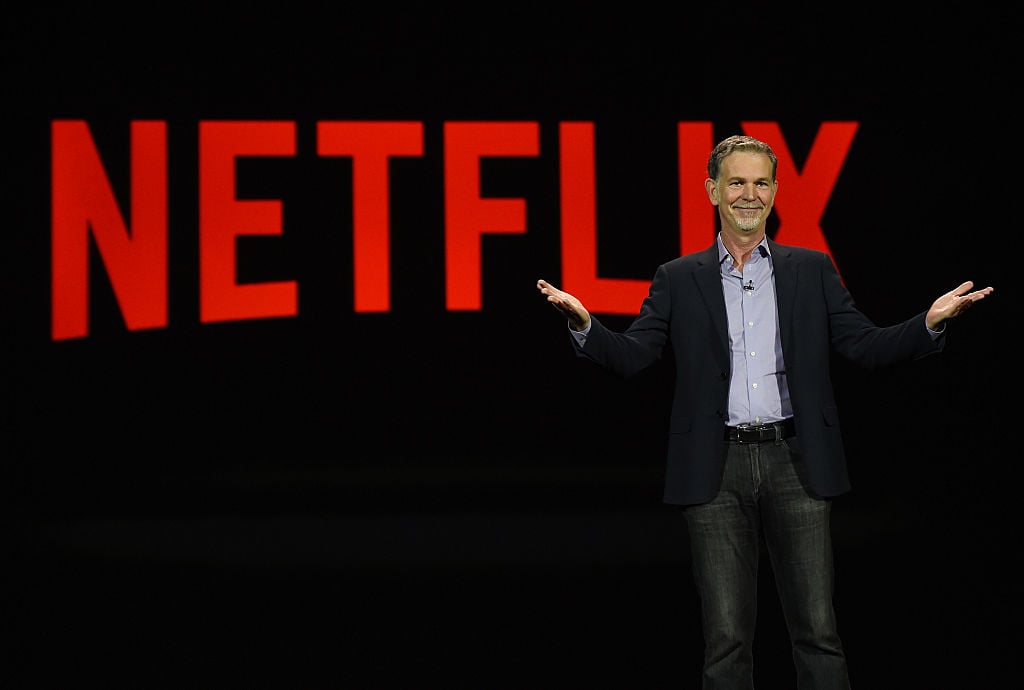
Netflix also spoke up about the platform introducing adverts within the next couple of years.
Co-CEO Reed Hastings spoke about the idea in a video posted to Youtube: ‘One way to increase the price spread is advertising on low-end plans and to have lower prices with advertising,’
‘Allowing consumers who would like to have a lower price and are advertising-tolerant get what they want makes a lot of sense. So, that’s something we’re looking at now, we’re trying to figure out over the next year or two. Think of us as quite open to offering even lower prices with advertising as a consumer choice.’
Hastings insists that ad-free options will remain in place.