

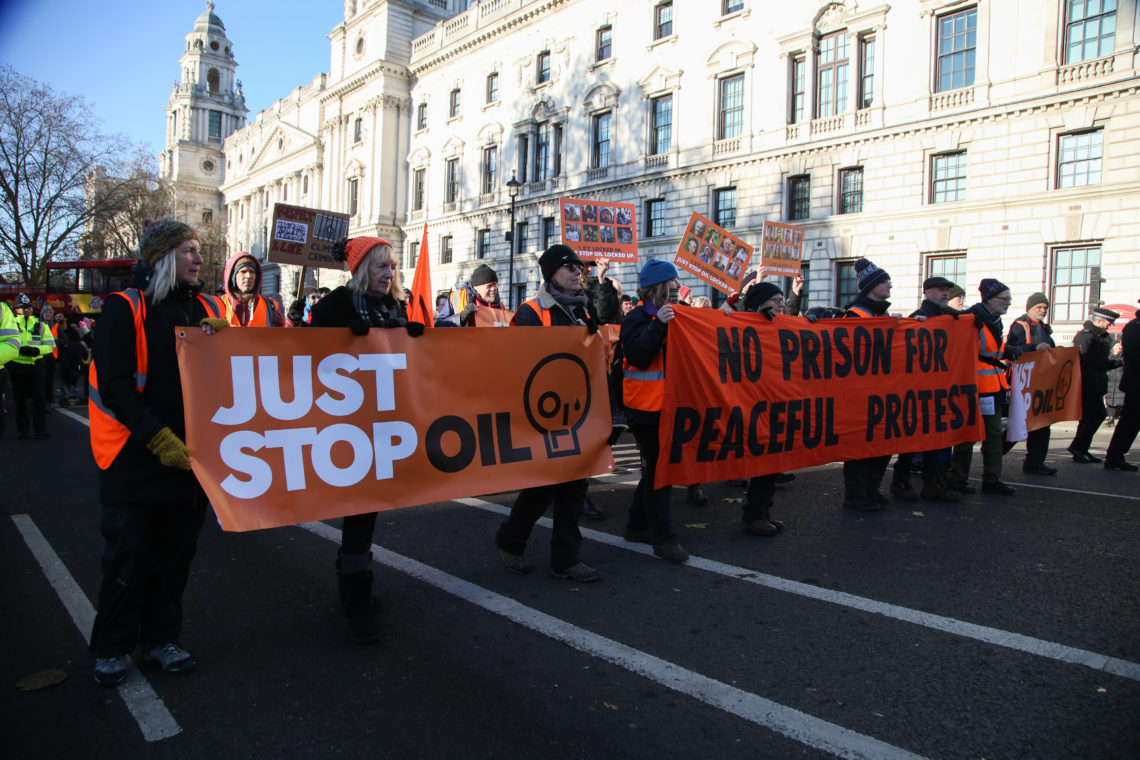


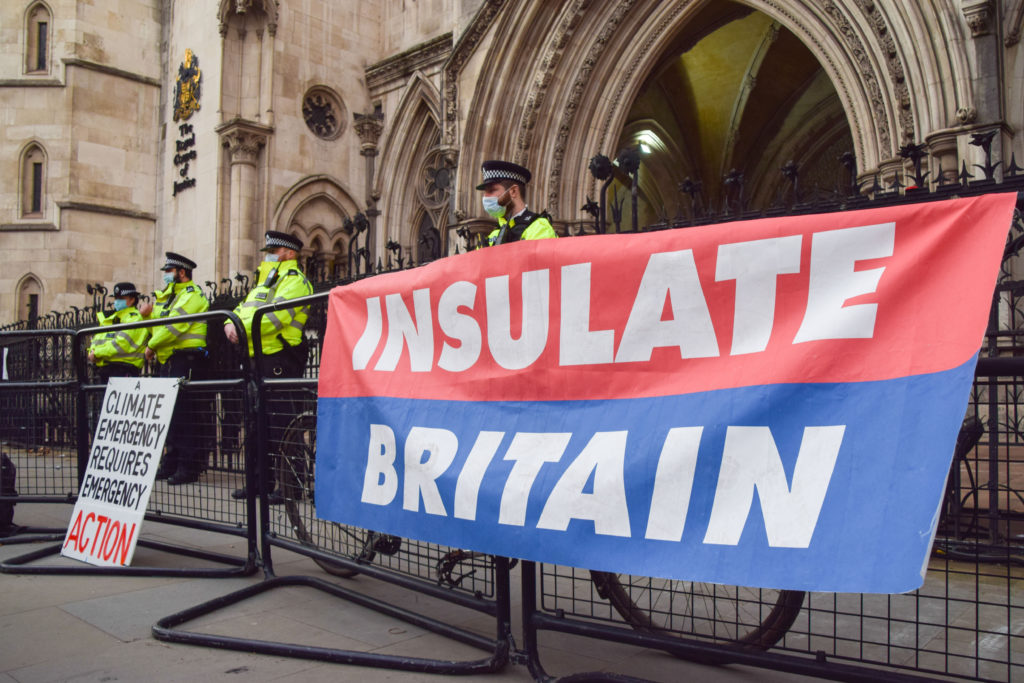
The UK Government has introduced an amendment to the Public Order Bill, a motion to crack down on protestors from groups such as Just Stop Oil, Extinction Rebellion and Insulate Britain, who use disruptive protests in order for their messages to be heard. Prime Minister Rishi Sunak has stated that ‘We cannot have protests conducted by a small minority disrupting the lives of the ordinary public. It’s not acceptable and we’re going to bring it to an end.
‘The police asked us for more clarity to crack down on these guerrilla tactics, and we have listened.’
See also: When Are Teachers Striking As NEU Confirms Industrial Action?
Activist groups have questioned the legislation, however, and many see the bill as an infringement of the right of citizens to make their voices heard. The UK director of the Human Rights Watch, Yasmine Ahmed, linked this bill to a wider shift in policies that is occurring. ‘In 2022, we saw the most significant assault on human rights protections in the UK in decades… From your right to protest to your ability to hold institutions to account, fundamental and hard-won rights are being systematically dismantled,’ she said.
Disruptive protests and their tactics can take on many forms. One of these is what’s known as ‘slow marching,’ where protestors walk through city streets and block traffic. The bill would expand the standing definition of serious disruption to include some of these more minor tactics. Crucially, this would open the door for police to shut down protests before they had even begun. As Number 10 put it, they ‘will not need to wait for disruption to take place and can shut protests down before chaos erupts.’ This draws into question whether this pre-emptive action would be in violation of civil rights.
This is not the first time in recent memory that protest-related legislation has sparked controversy. The Public Order Bill, even prior to the proposed changes, had created criminal offences for those who protest at oil refineries and railways, as well as those who handcuff or lock themselves onto somewhere in protest.
The proposed changes will be reviewed by the House of Lords, where they are likely to be met with opposition. However, the ultimate fate of this bill, the precedent it will set, as well as how activists will be affected by it, remains to be seen.
See also: Elon Musk Breaks Guinness World Record For All The Wrong Reasons