

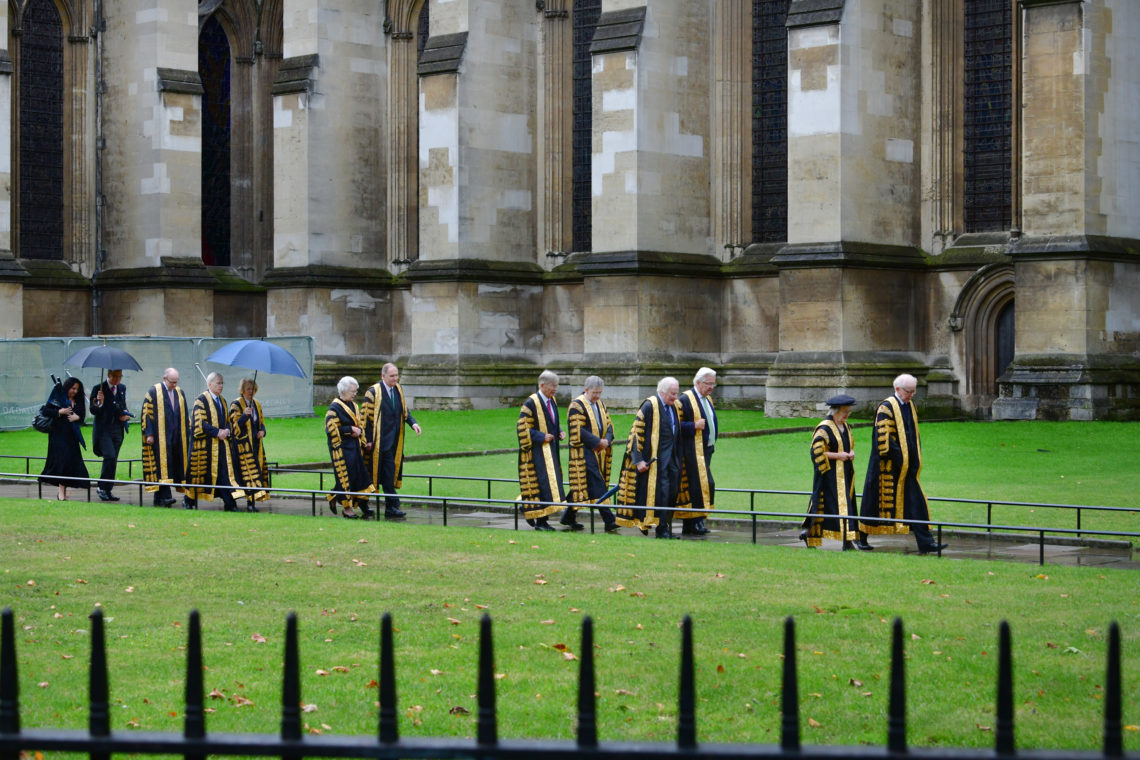


On August 17, Queen Elizabeth approved the appointment of two Justices of the United Kingdom Supreme Court.
Sir David Richards was appointed to the Supreme Court as a new Justice, while Lord Lloyd-Jones was re-appointed as a Justice following the change in retirement age for those serving as Justice’s on the Supreme Court.
Two UK Supreme Court Justices are appointed
The Queen has approved the appointment of Sir David Richards, and the re-appointment of Lord Lloyd-Jones as Justices of the UK Supreme Court.
According to gov.uk, The Queen made the appointments ‘on the advice of the Prime Minister and Lord Chancellor, following the recommendations of an independent selection commission.’
Sir Richards has been appointed to fill the space left by Lady Arden following her retirement.
Lord Lloyd-Jones retired in January 2022 due to the fact that the mandatory retirement age was 70. However, as it was increased by Parliament to 75, he has now been re-appointed.
President of the Supreme Court Lord Reed said that Lord Lloyd-Jones will ‘continue to make an enormously valuable contribution to the Court on a wide range of cases, and especially in dealing with appeals in the field of international law and criminal law.‘
Discussing Sir Richards’ appointment, Lord Reed said: ‘His outstanding legal ability and breadth of experience, notably in company law and corporate insolvency, will maintain the Court’s expertise in these areas following Lady Arden’s retirement, and will be invaluable in maintaining the high quality of our judgments and our reputation as an international centre of legal excellence.‘
What is the UK Supreme Court?
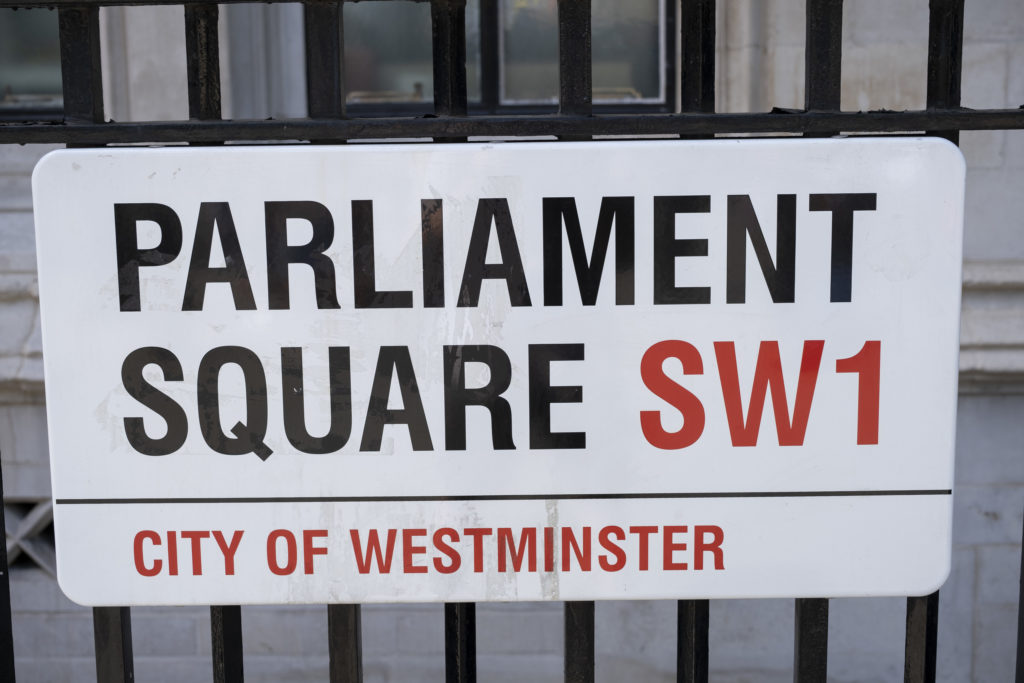
The Supreme Court sits in the former Middlesex Guildhall, on the western side of Parliament Square. It is an appeal court, which means that it cannot consider a case unless a relevant order has been made in a lower court.
The Supreme court is the final court of appeal for all United Kingdom civil cases, and criminal cases from England, Wales, and Northern Ireland. It hears appeals on arguable points of law of general public importance, concentrates on cases of the greatest public and constitutional importance, and maintains and develops the role of the highest court in the UK.
In October 2009, The Supreme Court replaced the Appellate Committee of the House of Lords as the highest court in the UK. This marked the separations of judicial power from the Houses of Parliament and its transfer to the Supreme Court’s own building.