

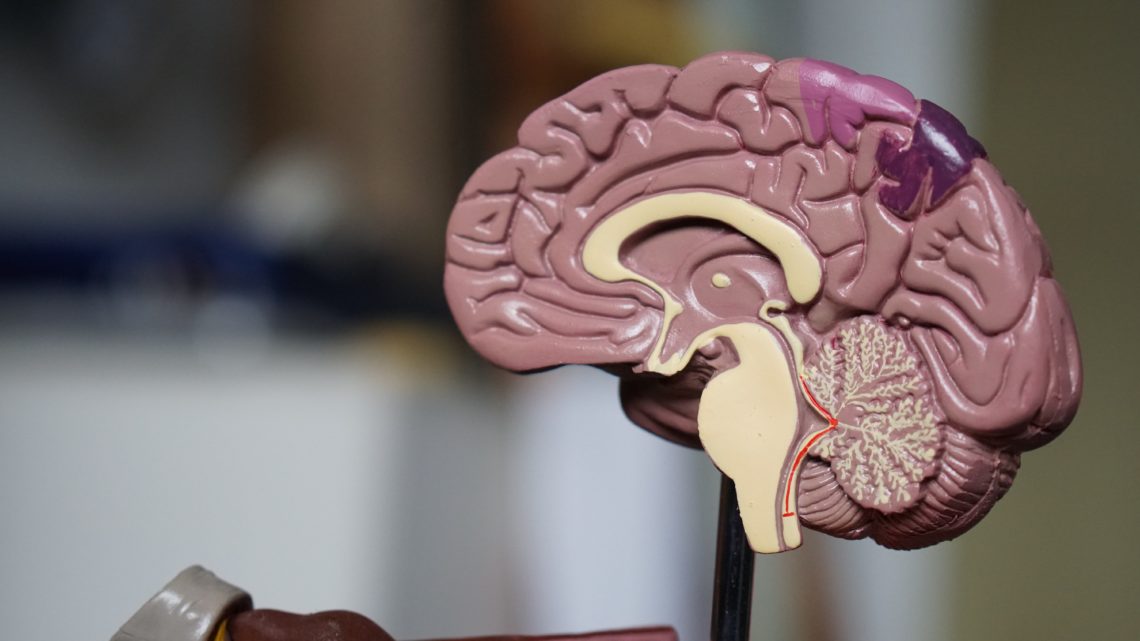


A new study from Stanford University has shown the pandemic effects on adolescent brains. It showed that young people impacted by the pandemic have experienced significantly different development in their brains than the brains of teens scanned before the Covid struck.
While the effects of the pandemic on mental health have long been discussed, this is the first study to suggest that the time period of isolation had physical impacts on the brain.
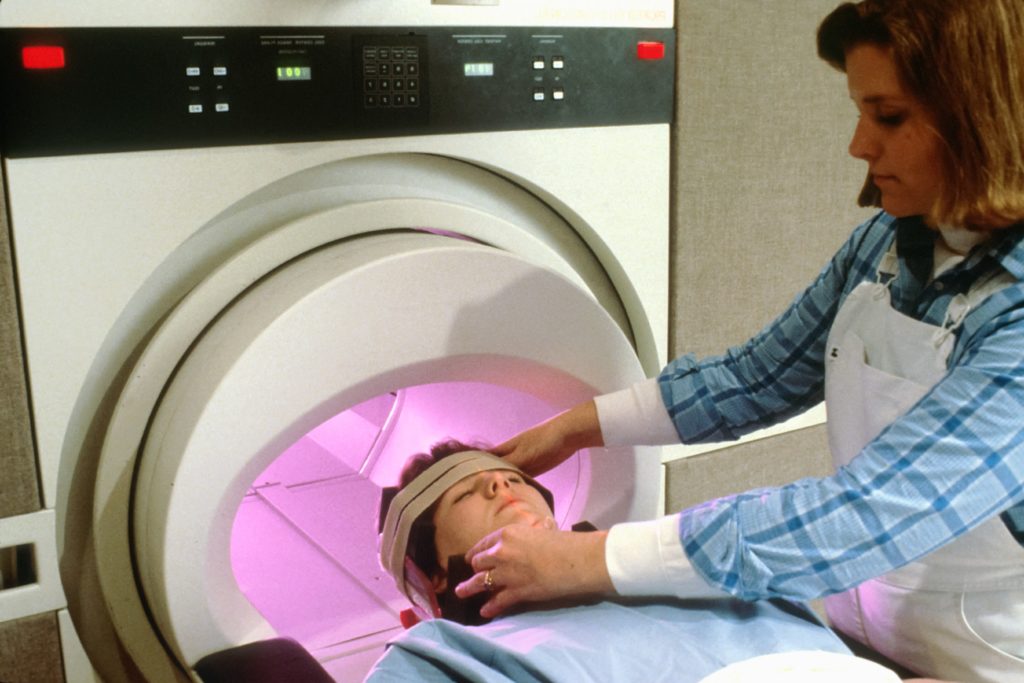
The study was conducted on a sample of 128 children who underwent MRI scans. Half of the group received their scan prior to the pandemic, and the other half received their scan after the first year of the pandemic. The results of the study showed that the subjects’ brains had aged prematurely an average of approximately three years compared to adolescents of the same age prior to Covid-19. These changes included a thinning of the cortex as well as growth in the hippocampus and amygdala.
See also: What Will Our Short Attention Spans Mean in the Future?
What did pandemic study reveal?
Researchers compared this early development to similar brain scans from children who experienced neglect, abuse, and traumatic incidents. Rather than indicating early maturity, these results instead can signify the negative impacts of long-term stress. Participants in the study also reported a higher number mental health symptoms including depression, anxiety and addiction than those who were surveyed prior to the pandemic.
These results are in line with what other surveys have found regarding mental health and the pandemic. The CDC published data showing that 44% of high school students reported feeling sad or hopeless. Bupa found that 26% of students reported low self-esteem, 29% reported insomnia, 25% reported feeling burnt out and 44% reported anxiety since the pandemic. These figures come as a result of long periods of lockdown where in-person community and social activities were cancelled.
‘More advanced brain age’
‘Compared to adolescents assessed before the pandemic, adolescents assessed after the pandemic shutdowns not only had more severe internalizing mental health problems, but also had reduced cortical thickness, larger hippocampal and amygdala volume, and more advanced brain age,’ said Ian Gotlib, first author on the paper and Professor of Psychology at Stanford.
It is unclear whether the pandemic effects on adolescent brains will be temporary or permanent. Gotlib has expressed an intent to rescan the participants of the study at the age of 20. This will provide more insight on whether these changes are likely to persist, or whether neuroplasticity will allow for the effects to be reversed to some degree.