

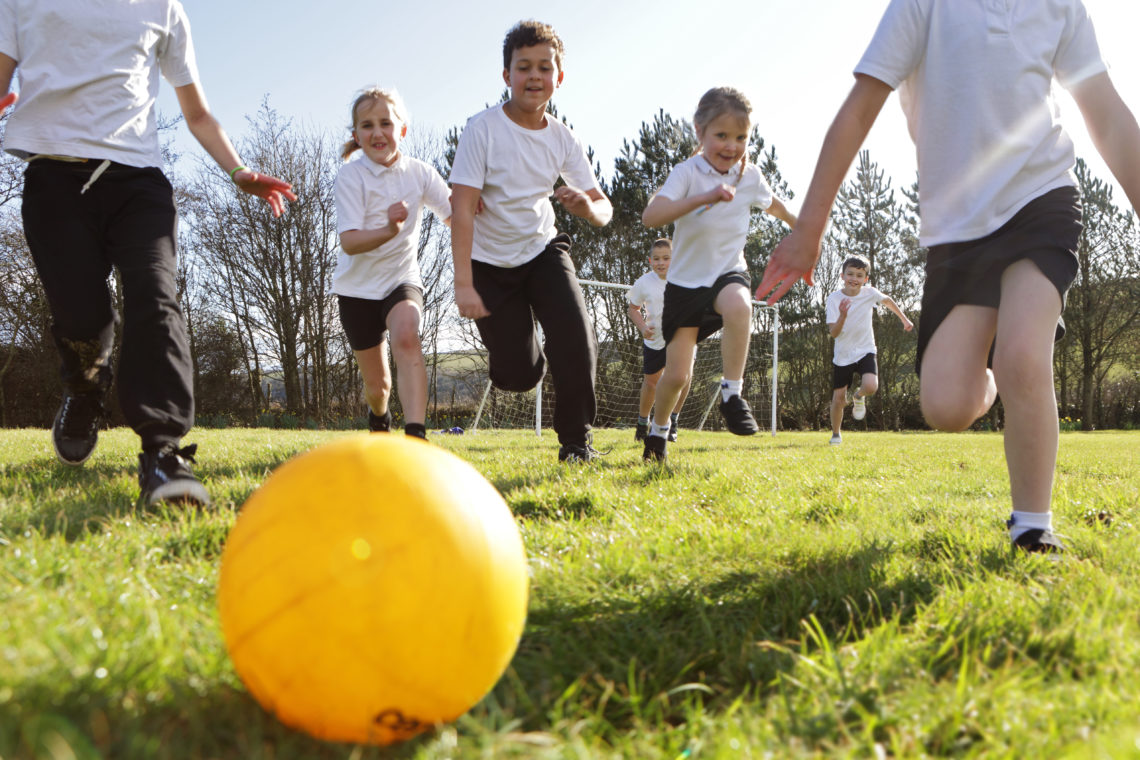


Almost half of Scottish secondary school students have no hobbies, a survey has revealed.
The research, undertaken by Ipsos and commissioned by the Children in Scotland charity, involved over 1,000 secondary students aged 11-18.
They were asked about the clubs and activities they did outside of school and only 54% of the pupils said they take part in one of these. This number dropped to 45% among those living in the areas of highest deprivation.
Lack of students with hobbies is a ‘real concern’
Children in Scotland’s head of policy, Amy Woodhouse, said that ‘it’s of real concern that a significant proportion of young people are not taking part in a club or after-school activity.’
‘That participation is less common for those living in areas with high deprivation or with a physical or mental health condition adds to evidence from elsewhere that barriers relating to cost and accessibility can be an influencing factor,’ Woodhouse said.
Young people with a physical or mental health condition are less likely to take part in a club or activity. However, participation was broadly the same between boys and girls. For those living in rural areas and in urban areas, the rates of participation are also roughly the same.
Why do young people need to have hobbies?
The research was commissioned to support the call to the government for a national hobby premium, to ensure that all young people in Scotland have free access to a hobby or activity.
The benefits of hobbies can be both immediate and longer-term. The press release states that evidence from countries where support for hobbies is in place, such as Finland, shows that taking part in hobbies has a hugely positive impact on children’s confidence, wellbeing and learning.
According to a Children in Scotland manifesto titled: ‘Why Scotland should introduce a Hobby Premium: The Right to Play” hobbies help young people “learn new skills, make friends, improve their confidence and give them a chance to succeed outside of school.’
Different hobbies can have different impacts- while artistic activities can help develop children’s sense of themselves and the world around them, sports and physical activities can teach young people life skills.