



Makeup is an art, and many very talented makeup artists are out there. So, how do you even start when you know nothing about makeup? This ultimate makeup guide for beginners is here to help!
From knowing what makeup products are right for your skin, to knowing how and where to apply makeup, is quite tricky! But don’t worry. Practically all the information you need to know to start dabbling in makeup is right here.
Learning about your skin
The first helpful thing to do when starting makeup for the first time is to find out what skin type you have. There are different types of makeup that are suitable for different skin types. It’s easy to find out what is right for you.
Oily skin type
This skin type mainly affects the T-zone of your face, which is your forehead, nose and chin. Your skin may have a shiny appearance to it and will feel oily. This skin type can be prone to more spots and acne breakouts due to oil build-up in the pores.
This skin type will benefit from mattifying makeup products, including mattifying primer and mattifying foundation. There are also blotting sheets, which aim to absorb excess oil from the skin, that can be used before doing makeup that is ideal for oily skin types.
Dry skin type
Dry skin may feel tight and have a flaky or scaley appearance. This skin type will benefit from extra moisturisation.
Dry skin will benefit from using a good moisturiser before any makeup is applied to the skin, followed by a moisturising primer and foundation. There are suggestions from makeup gurus that foundations with the word ‘serum’ in their name are likely to be good for dry skin.
Combination skin type
You have combination skin if you have a mixture of dry and oily skin. Generally, your T-zone will be oily, and your cheeks, and sometimes your eyes, may be dry.
For combination skin, it’s about finding the line between too oily and too mattifying products. These products do exist, but it might be a bit of trial and error to find the correct one for you. Alternatively, you could use different makeup products for the oily and dry skin parts if you feel like it. So long as you can find the correct shades and blend them well, that should work!
Normal skin type
This skin type means that you don’t have excess oil or dryness on your skin.
Normal skin is sometimes tricky to navigate because there isn’t anything that wouldn’t necessarily work for you. Again, some trial and error might be needed to find the right products for you.
Sensitive skin type
With this type, you might find that certain types of makeup make your face red, itchy, puffy, and painful. This could be down to an allergy to ingredients in some makeup products. This skin type might require avoidance of certain makeup products or using products that are specifically made to be for sensitive skin.
You should look for makeup products branded ‘hypoallergenic’ if you have sensitive skin. These products will not contain the usual fragrances or allergens that often cause reactions. Always check every makeup product’s ingredients if you have sensitive skin!
The basics of makeup for beginners
While every guru’s makeup routine looks different according to what look they’re doing, there are steps that you can naturally follow to make applying it easier.
Start by prepping your skin
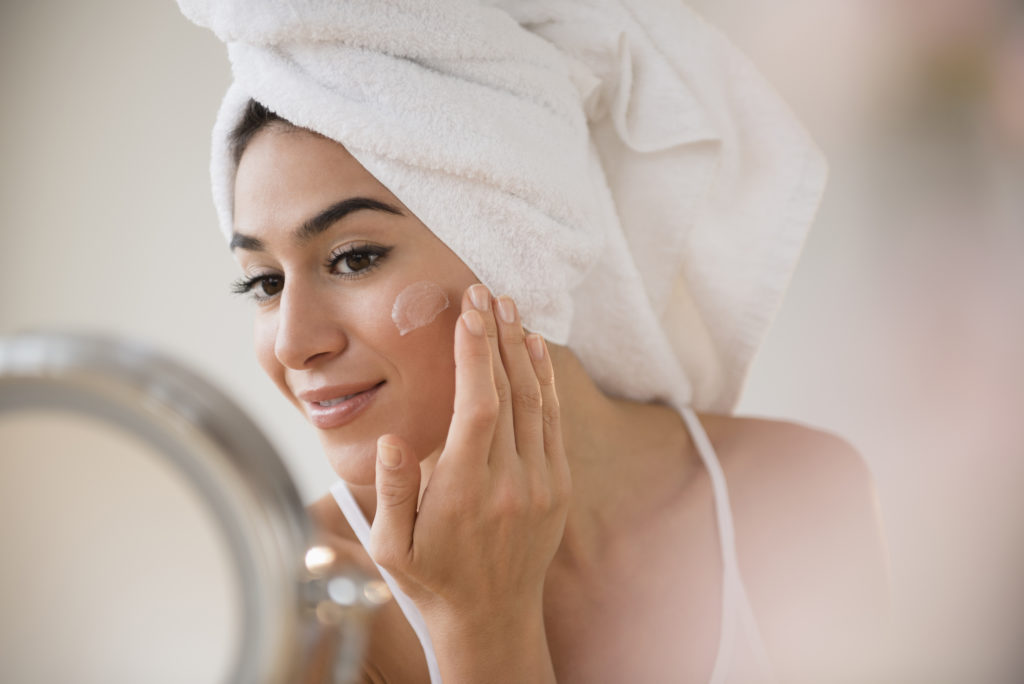
Skin preparation includes washing your face, using other skincare products like toner and exfoliator, and then moisturiser. Skin prep helps to keep your skin healthy and avoid clogging up your pores, leading to breakouts, irritation and ageing in the long term.
Primer often goes overlooked in makeup routines, but it helps to even out your skin for smoother foundation application.
Liquid products
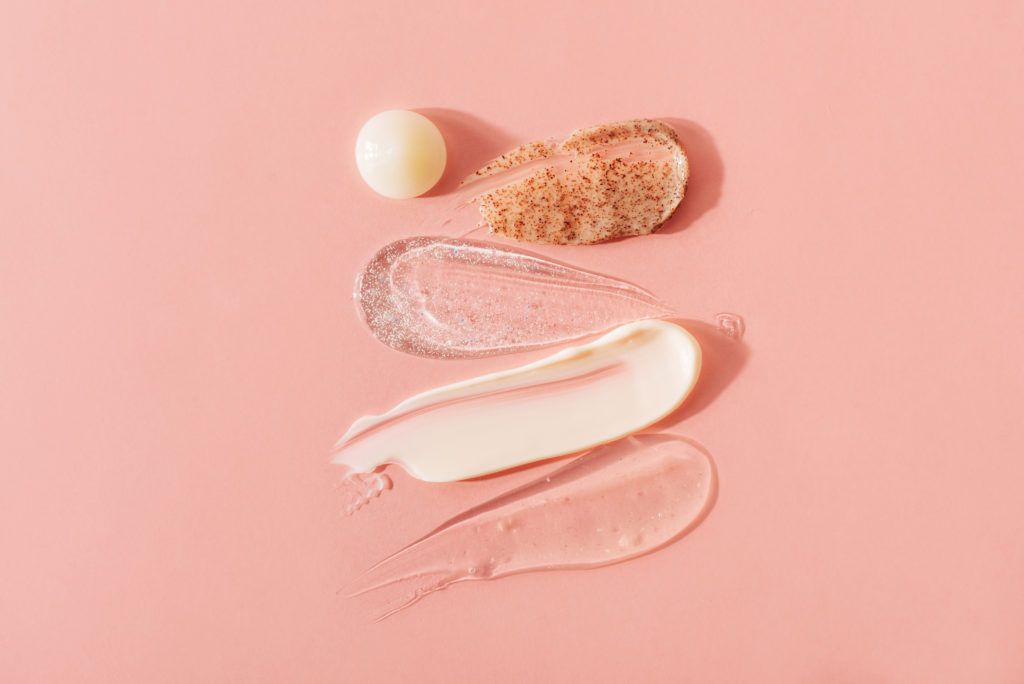
After prepping, liquid products come next. Foundation comes first and generally goes all over your face, with a thinner layer on your forehead and the bridge of your nose.
Concealer usually goes under your eyes, on the bridge of your nose, on the middle of your forehead, chin, and over any other blemishes you want to cover up. If you’re putting concealer over acne or spots, try to avoid putting the concealer applicator straight onto your skin: dab a bit of the product on your hand and apply concealer from there instead!
Many people use beauty sponges to apply liquid products, as they find dabbing the product into your skin with the sponge instead of a brush makes the foundation look less streaky. Dampening your beauty sponge before applying foundation also often helps to apply foundation more evenly because the sponge soaks up less of the product.
Next, dry products
Next are the dry ingredients, including setting powder, bronzer, blush and contour. Setting powder should be applied over the places you put your concealer to set it properly. This helps prevent it from moving around your face.
Bronzer should go in the places where the sun would naturally catch your face, like your forehead and cheeks. You can use bronzer to give yourself a natural sunkissed glow.
Contour should go in the places where the shadows of your face would be, specifically your cheekbones, temples and your jawline. You can also use contour to sculpt the shape of your nose, eyes and forehead.
Blush can go on the apples of your cheeks and up towards your ear in a sort of ‘C’ shape. It’s important to note that blush and contour can both come in powder and liquid form, so how you apply these and with what brushes might look different for the form of the product.
The eyes
When it comes to doing eye makeup, there are many different things you can do and many different products you can use. For example, eyeshadow and eyeliner are non-essential incorporations of a makeup look but can certainly boost a look or draw attention to the eyes.

The beauty of eyeshadow and eyeliner is there is so much freedom with how you do them. The key to discovering what eye makeup suits you are experimenting with different styles and colours! Many makeup companies produce tutorials on different eye makeup looks, such as KIKO Milano’s guide to eyeliner and Makeup by L’Oreal’s guide to mastering eyeshadow.
The brows
Again, like all other aspects of makeup, eyebrow makeup comes in different forms. You can get pencil, powder, or pomades. It all depends on what sort of look you’re going for: natural, bushy, defined, there are many possibilities!
When it comes to brows, the main thing to be aware of is the colour of your product. Try to find the colour closest to the roots of your hair to get the most natural look.
The lips
There is also a lot of freedom to be had regarding the lips. You can go for a matte look with matte lipstick, a shiny look with glossy lipstick or lipgloss, or even sparkly to make your lips stand out. Lipsticks come in various colours, from natural pinks and oranges to bright reds to midnight black. Lipstick is all about personal preference!
The essential tools for beginners
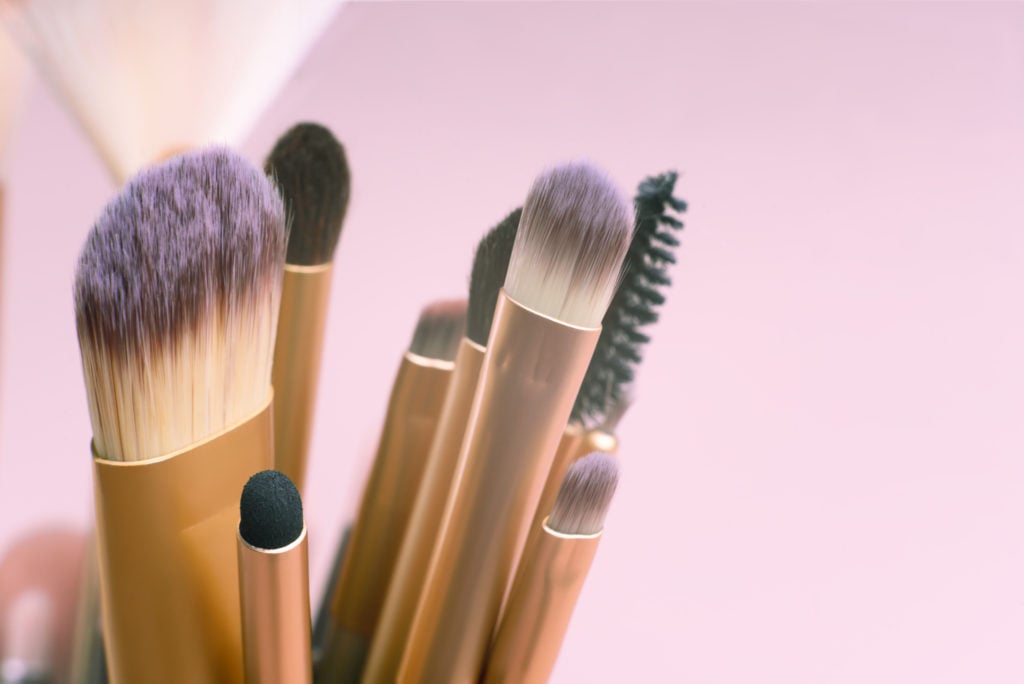
The minimum you would need to apply makeup is some makeup brushes. Makeup brushes can be expensive: the higher quality bristles are, the pricier they will be. However, you can get brushes, for example, at Primark, for affordable prices that work just as well and feel just as soft.
Extras that you can choose to use include a makeup sponge, an eyelash curler, and a spoolie brush to maintain your eyebrows.
Other quick tips
Try to do your makeup in natural lighting. Doing it in artificial lighting can mean your makeup might look darker in natural lighting than when you applied it.
Make sure to blend down your foundation neck! Not blending your face and neck may mean you have a noticeable line from your jaw to your neck in different colours.
Some powdered eyeshadow has a lot of fallout, meaning the powder tends to end up down your cheeks. You can avoid this being a problem with foundation by doing eyeshadow before the rest of your routine so that you can wipe off the excess first.
The takeaway message
Starting to use makeup as a beginner can be complicated, given that it seems there is so much to know. So, hopefully, this makeup guide for beginners can help you out!
The main thing to remember is that makeup is all about self-expression. You can wear whatever looks you like and experiment with all sorts of styles and colours. The choice is entirely up to you!
Also, remember, makeup is a skill that is learnt. Even the best and most reputable makeup gurus have had to practice to become so talented at makeup! Therefore, don’t worry if you feel like you aren’t getting the hang of things immediately. Just keep practising and do what makes you feel happy and confident!