




Pets can bring a lot of joy into our lives. Having a pet has been shown to help ease symptoms of stress, anxiety and depression. With all of these benefits, it’s easy to see the appeal of having a companion. However, when you’re considering adopting a pet as a student, there are certain caveats to be mindful of. Here are some top tips to ensure that you’re making the decision that’s right for both you and your potential pet.
Choose A Pet You Can Commit To
When considering adopting a pet as a student, it’s easy to gravitate toward animals you like the most, and the ones you’ve enjoyed in the past. However, as a student you’re still early in your adult life, which means it may be better to think of pets in terms of a time span you can commit to.
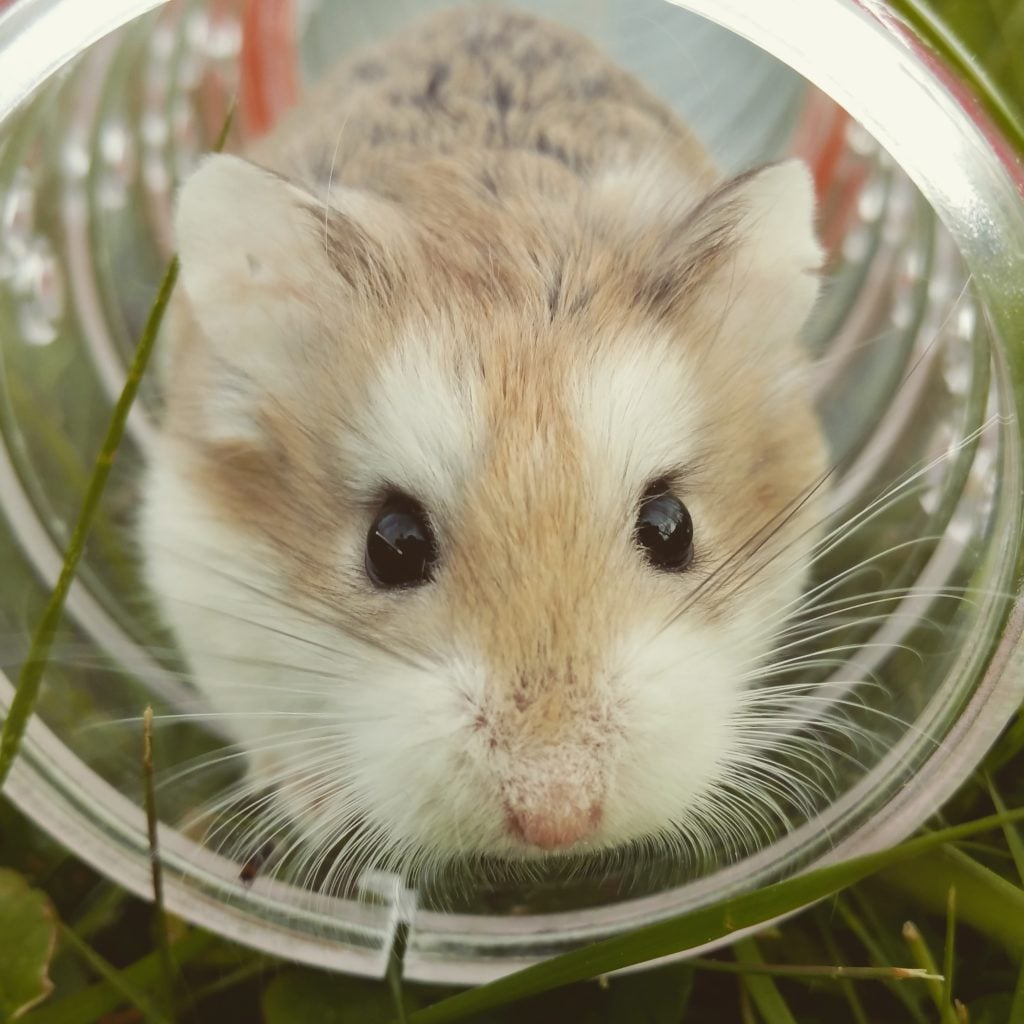
Cats and dogs can live up to 15 years and beyond, meaning if you adopt a puppy or kitten as a 20-year-old, you can expect to be looking after that animal until you’re well into your 30s. If you’re not ready to make that leap, you could adopt an adult dog or cat, which would be a shorter time commitment. Or, you could consider pets that have shorter lifespans. Lifespans are 5-7 years for guinea pigs, 2-4 years for rats, 2-3 years for hamsters and gerbils, 1-3 years for mice and 1-5 years for most fish.
See also: How To Do Gardening as a Student
Evaluate Your Lifestyle
Another factor in making your decision around pet ownership is your lifestyle. Animals like dogs are often difficult for students to own because they require a lot of care and attention, including regular walks, and this can be difficult to negotiate with a student schedule. All pets require some form of care, but some are more independent than others. If you enjoy going out, consider the logistics of leaving your pet at home in that scenario. If you want to travel, would you have someone to take care of your pet while you’re gone?
Run the Numbers
Pets are also a big financial commitment, which can be difficult to make on a student budget. Put together a list of costs that would come with adopting your choice of pet to work out whether it could fit into your budget. Don’t forget to consider vet bills, which can be very expensive. You will likely want to have some savings put away for this before you get a pet.
Consult With Your Landlord
Most students rent their houses, so if you’re going to have a pet you’ll likely need to clear it with you landlord first. Oftentimes student houses will have a no-pets policy, but if your current residence doesn’t allow pets, you can always keep it in mind as you look at houses for the following year, and ask your letting agent.
See also: Questions To Ask During a House Viewing