



Ukraine is a country with filled with a vast cultural heritage, however due to the Russian invasion and shelling its at risk of losing it.
There are several profound historic, artistic and archaeological sites of importance within Ukraine there are numerous UNESCO world heritage monuments – such as the Cathedral of St Sophia in Kyiv to elegant examples of Cossack baroque architecture.
However, this rich, unique and important cultural heritage is now at risk of being lost indefinitely due to the Ukrainian-Russian war.
Culture At Risk
In Ukraine there are there are about 5,000 different museums of both the public and private nature. In the Kyiv region alone, which has become a heavy target for Russian forces, there are 15 Museums.
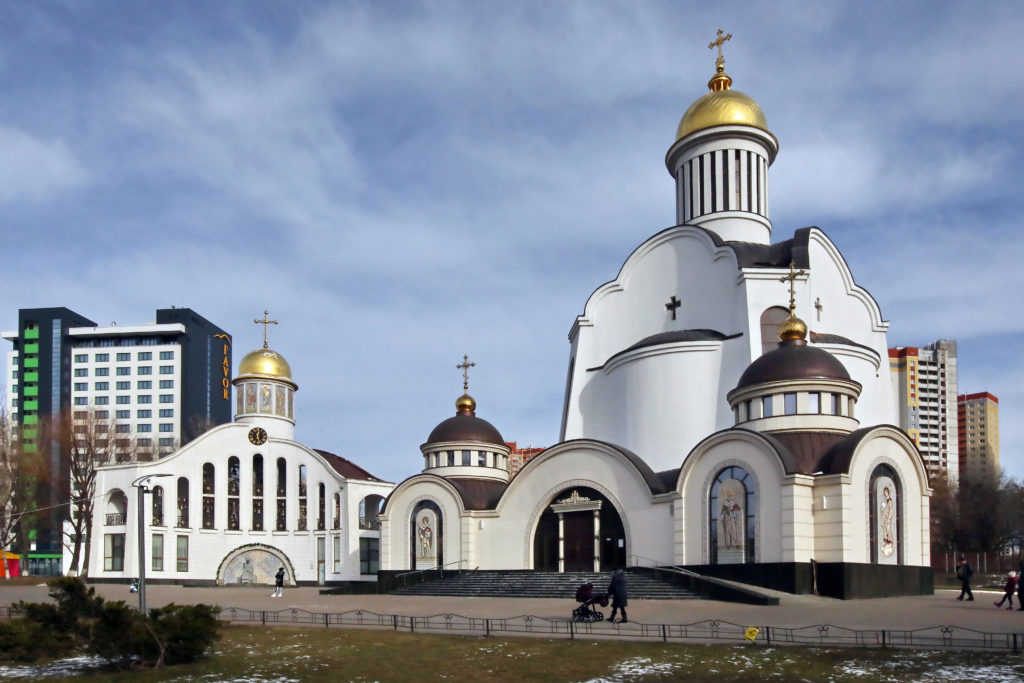
You may find yourself wondering what will happen to the priceless, unique and important affects which form the culture and history of Ukraine and you would not be alone.
The city’s Museum of Natural History, which can be found within Kyiv, houses some of the earliest examples of architecture to survive anywhere in the world. This includes huts made of mammoth bones, which date back 15,000 years to the Old Stone Age (Paleolithic period). Losing such unique pieces would be catastrophic for not just Ukraine but for the world.
The museum of Historical Treasures of Ukraine which is also located in Kyiv is immensely important to Ukraine and its people. The bombing of this museum would result in the archaeological and visual record of numerous cultures unique to Ukraine disappearing permanently.
Works of Scythian art were already taken from Ukraine during the Soviet period and currently fill Russian museums. As a result, if Ukraine were too loose anymore of its precious, priceless works of art Ukrainian culture would be irreparably damaged.
UNESCO Sites At Risk
The 11th-century Monastery of the Caves in Kyiv is categorised as a UNESCO world heritage site and is among the most sacred in eastern Europe. It features underground caverns with chapels and miraculous relics.
At the site you can find architectural and artistic styles from the Middle Ages through to the early modern period and into the modern age. The site is crucially important for Ukraine and for the world as a whole. Loosing such a sacred site would be incredibly detrimental.
If there’s one monument within Ukraine that Putin would like to get his hands on, it would be the Cathedral of St Sophia, as he wrongly traces the roots of the cathedral to the contemporary Russian State.
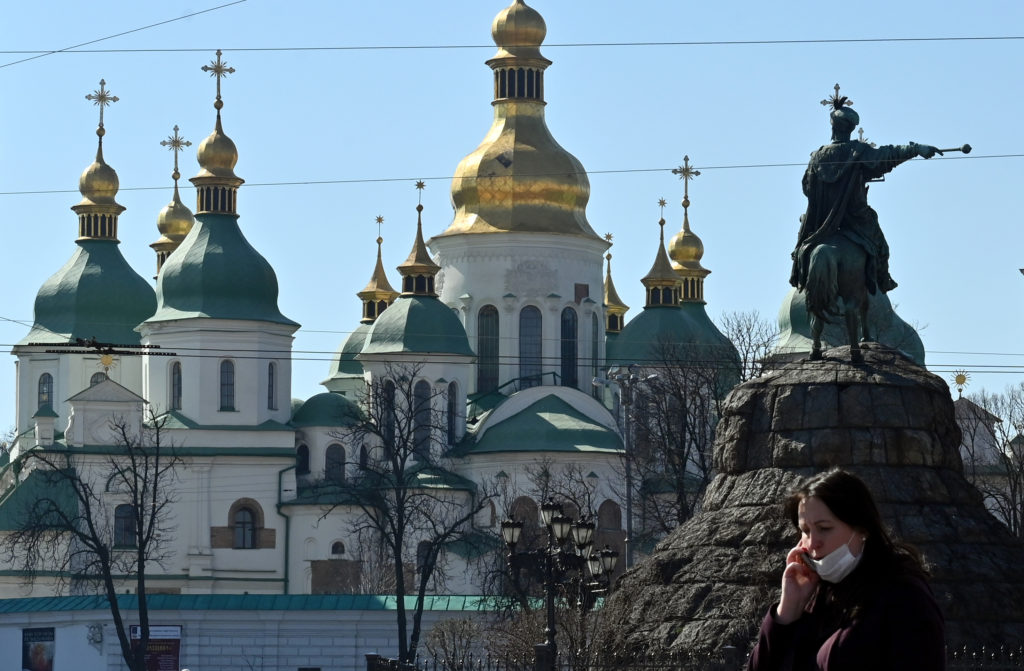
The cathedral is another UNESCO world heritage site which was built in the 11th century and is often referred to as ‘the jewel of Kyiv.’
It is one of the city’s best known landmarks and the first heritage site in Ukraine to be inscribed on the World Heritage List alongside the aforementioned monastery of caves. The loss of the cathedral of St Sophia would leave irreparable damage in the city of Kyiv and in Ukraine as a whole as it is vitally important to the cultural identity of Ukraine.
In eastern and central Ukraine, baroque structures and neoclassical villas are the visible remnants of Ukraine’s Cossack Hetmanate State that lasted from 1648-1764.
They are incredibly important and due the fact that Joseph Stalin associated the Cossack baroque style with Ukrainian nationalism and tried to destroy all works of art and architecture belonging to the Cossack period, making surviving works of this style a rarity.
Culture Already Lost
It would be impossible to recreate the style of art and architecture and would result in a huge cultural loss for Ukraine.
A lot of Ukrainian culture and heritage has unfortunately already been lost or destroyed. Museums in the homes of folk artists and folk production are found throughout the country and it is currently impossible to assess how many are lost.
The Museum of Local History in Ivankiv was recently set on fire by Russian forces which resulted in the destruction of 25 works by well-known folk artist Maria Prymachenko. It was a small museum and has unfortunately lost all of its collection due to the fire.
Videos which have been circulating on Twitter show what is claimed to be the museum building burning down. The work was significant and important to Ukraine and its people. Several of Prymachenko’s works have been featured on Ukraine’s postage stamps and, in 1966, she was awarded Ukraine’s highest cultural honour, the Shevchenko National Prize.
To recognise her contributions to the field of folk art, UNESCO declared 2009 the year of Maria Prymachenko. The museum’s destruction has been described as “irreparable” by Vlada Liovchenko, director of the Vyshhorod History and Culture Reserve in nearby Toompea.
Looking forward
However there have also been some positives within the world of art, heritage and culture. Leading Polish museums have recently joined together to set up the Committee for Assistance to Museums of Ukraine to offer help and practical support to their Ukrainian museum colleagues.
The aim of the committee is to provide ranges from advice on how to best protect collections from bombardment to even transporting Ukraine’s treasures to Poland.
The committee was set up due to the initiative of the Warsaw Rising Museum. Now almost 20 institutions from all over Poland have already joined the project.
The committee plans to support all museums and cultural institutions in Ukraine to help protect their collections. Specific assistance will involve documenting, digitising and making inventories of collections, providing materials needed to secure and hide collections.
They will also help to gather evidence of the looting and destruction of Ukrainian cultural property so that perpetrators can be brought to justice after the war.