



The red poppy is an iconic symbol associated with Armistice. However, you may have seen other people wearing poppies of different colours. But what do the three Remembrance Day poppies represent and why are poppies worn?
Since 1921 people have worn red poppies to remember those that have died in wars fought in the UK and the Commonwealth. Although it began by remembering those who sacrificed their lives in World War 1, it has grown. Now, Armistice Day can be for all who have died at war. This is mainly through the inclusion of other poppies.
Thousands of red poppies are sold each year by The Poppy Appeal charity volunteers. Recently, people have chosen to wear poppies of different colours, but what do they represent?
What Do The Three Remembrance Day Poppies Represent?
As well as red, there a three other colours of poppies that people can choose to wear to pay their respects.
What does the white poppy mean?
The white poppy is a pacifist symbol of remembrance. According to the Peace Pledge Union, the white poppy means three things: remembrance for all those who have died at war, challenging war and militarism and a commitment to peace.
This poppy has been worn for over 90 years and is increasing in popularity. Poet Benjamin Zephaniah is a proud wearer of the white poppy and promotes its use.
“I love wearing my white poppy… We have to remember all victims of war, not just the select few. And we have to work towards a world where there is no war.”
The key message of remembrance that the white poppy carries forward is the ‘never again’ aspect.
“In wearing white poppies, we remember all those killed in war, all those wounded in body or mind, the millions who have been made sick or homeless by war and the families and communities torn apart. We also remember those killed or imprisoned for refusing to fight and for resisting war.”
What Does The Purple Poppy Mean?
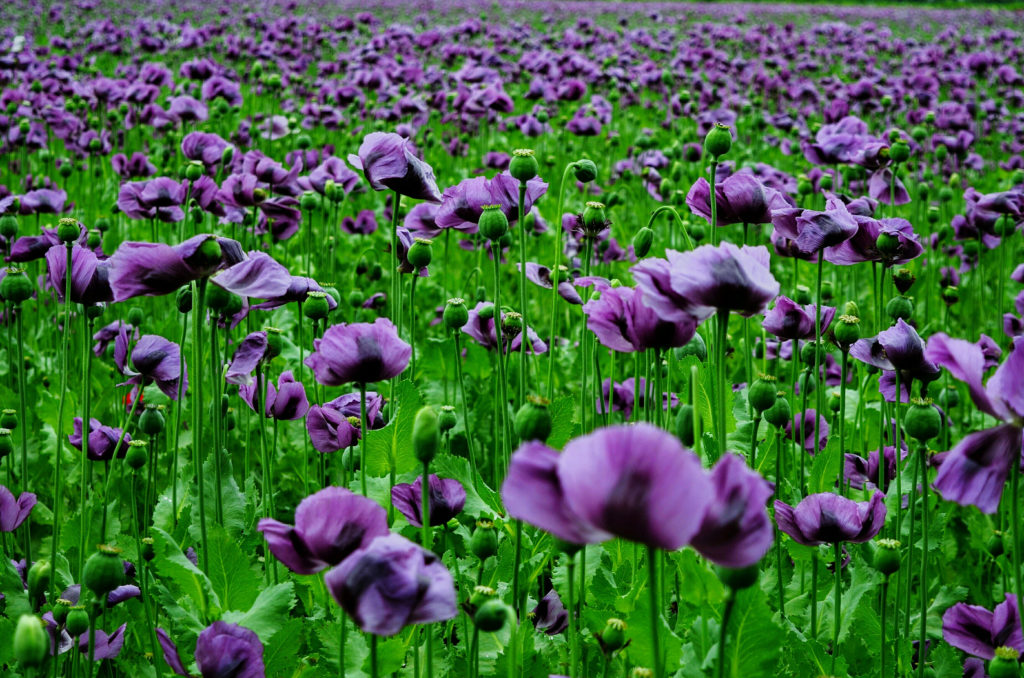
Introduced by Animal Aid in 2006, the purple poppy represents the animals who have lost their lives due to the impact of war. Believing that animals, largely horses and dogs, are often forgotten on Remembrance Day, the charity aims to.
Initially, Animal Aid sold purple poppies but found that the symbol was being misrepresented, suggesting that the animals were heroes. In 2015, the poppy changed to an enamel animal paw to strengthen the symbol to represent animals as victims.
The next year, the symbol was adopted by Murphy’s Army, a charity that helps unite missing pets with their owners.
Although the purple poppy is not endorsed by the Royal British Legion, they have no problem with it being worn alongside the red version.
What Does The Black Poppy Mean?
The latest of the three poppies to be launched, the black poppy was first introduced in 2010. The black poppy specifically remembers black, African, Caribbean and Pacific Islanders who lost their lives due to war.
It was launched by Selena Carty and is now sold by the Black Poppy Rose organisation. The black poppy remembers those who died in war before World War 1, going back to the 16th century. The charity says:
“Created to be a symbol that represents the contributions made by the African/Black/West Indian/Caribbean/Pacific Islands & Indigenous communities to various wars since the 16th century.
A symbol that signifies pride, honour and glory, with the hope that future generations will be inspired by these largely untold historical legacies.”
Why Are Poppies Worn On Remembrance Day?
Poppies are worn as a symbol of remembrance as they were the flowers that grew on battlefields in World War 1. This is particularly well noted in the famous war poem, In Flanders Field by John McCrae.
The poem begins by mentioning how “the poppies blow/Between the crosses, row on row,” and comes back to the image in the final line: “We shall not sleep, though poppies grow.”
Originally, poppies were made out of silk and sold out immediately in 1921. The Royal British legion raised £106,000 for those who had been affected by war. The following year, a factory was set up where disabled former soldiers were employed to make the poppies. The factory is still running and produces millions of red poppies each year.