



In 2021, more than £1.3 billion was stolen by scam artists last year with authorised push payment fraud (APP). This type of fraud is when victims are tricked into making a payment.
To combat the growing levels of fraud, Stop Scams UK launched a pilot program in 2021 in collaboration with banks, telecoms firms and technology companies.
What is the 159 scam phone number pilot scheme?
The program is centred around a phone number, 159, and aims to show that calling the number fights fraud. If successful, they want to make 159 a universal number, which would be available on all phones and for all banks.
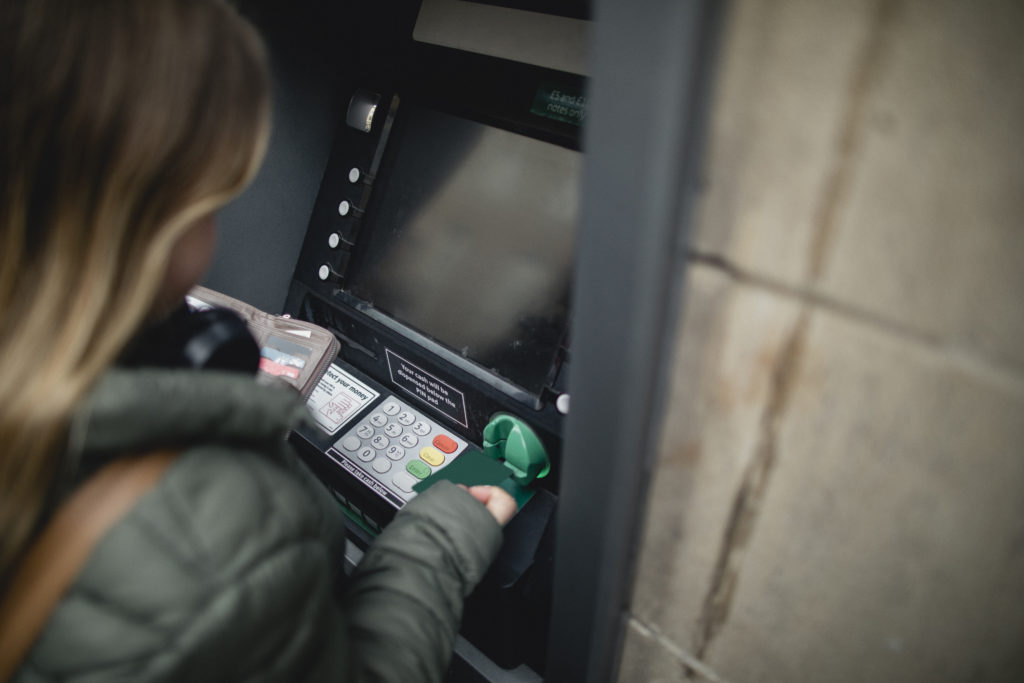
Currently, banks that cover over 70% of UK current account customers are signed up to the scheme at launch, although more are expected to follow, according to the Money Saving Expert.
When should you call 159?
You should call 159 if:
- Someone contacts you saying they are from your bank (even if they are not suspicious)
- You receive a call asking you to send money or make a payment (even if it seems genuine)
- You receive a call about a financial matter and it seems suspicious
The phone number works in the same way as 101 for the police, or 111 for the NHS. It will connect you directly to your bank.
It is important to remember that 159 will never call you.
Ruth Evans, Chair of Stop Scams UK, explained that they set up 159 ‘to give people a new way to fight back’ against criminal fraudsters.’
‘If you ever feel pressured into transferring money or giving out personal details, you should call 159 to check it’s for real. Criminals rely on forcing people into heat of the moment decisions, and calling 159 is a simple, practical tool to break their spell,’ Evans said.
Is my bank involved with 159?
The banks involved with the 159 pilot scheme are: Barclays, Co-operative Bank, Lloyds (including Halifax and Bank of Scotland), Nationwide Building Society, NatWest (including Royal Bank of Scotland and Ulster Bank), Santander, Starling Bank, and TSB.
Although this covers over 70% of UK primary current account holders, Stop Scams UK hopes that more banks will join over the course of the pilot.
The majority of major consumer telephone companies are involved and almost all UK mobiles and landlines are able to use 159.
The scheme will run for at least a year and, if successful, Stop Scams UK will ask Ofcom to make 159 a universal number offered by all telephone providers, similar to 101, 111, or 999.