



There is a long-standing debate as to whether dance should be considered a sport. Some argue that dance is a sport because of the physical exertion of strength and stamina it requires. Others argue it is a form of art instead. So, with substantial arguments for both sides, is dance a sport or not?
The defining criteria of a sport
Looking at the definition of ‘sport’, defining dance does not become easier. In fact, it may make it even more complicated to decide!
Collins Dictionary defines it as “competitive leisure activities which need physical effort and skill”. Dance is a considered a sport based on this definition. It does require immense physical exertion and skill, and dance competitions are widely popular nowadays.
However, Cambridge Dictionary adds to this by specifying a sport “is played or done according to rules”. This makes it harder to say dance is considered a sport. While there are principles and etiquettes within dance, there aren’t always specific rules.
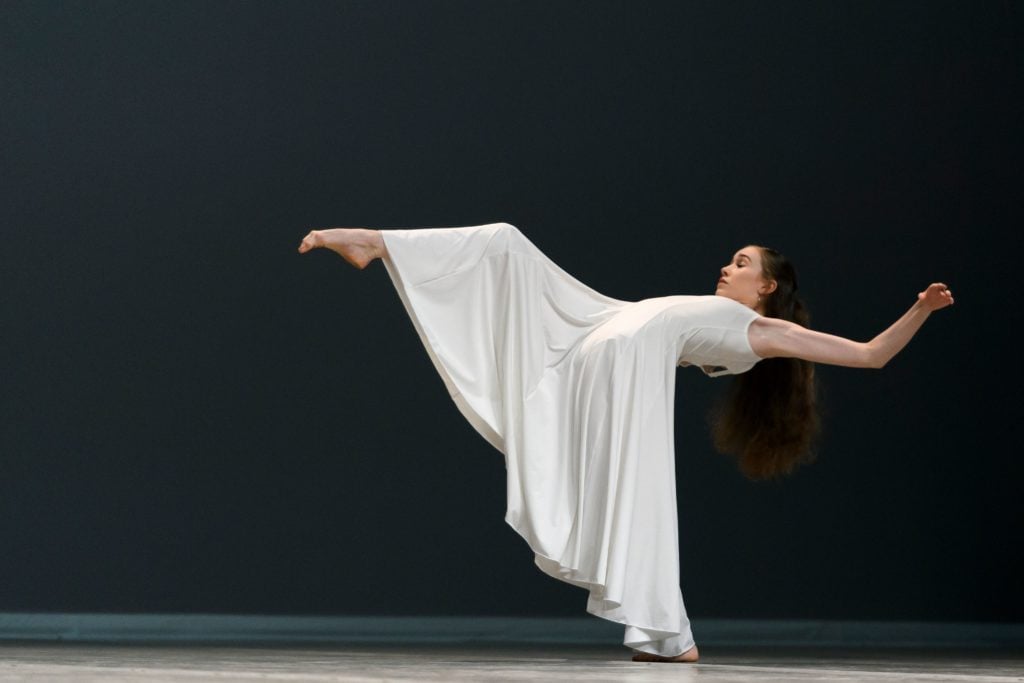
What does it take to be a dancer?
All forms of dance require a huge amount of strength, stamina, skill, focus and effort. Different types of dance require different skills, so dancers who participate in multiple principles of dance may possess a wider variety of skills. For example, ballet and modern jazz require a lot more flexibility than tap, ballroom or street dance. That doesn’t mean that any type of dance is easier than the others though. All forms require extensive skill, coordination and stamina.
The competitiveness of dance
A common misconception that contributes to the disagreement with recognising dance as a sport stems from dance’s performance basis. It is true to say theatrical dance isn’t a sport due to its non-competitive nature. After all, the purpose of theatrical dance is to purely showcase the dancers’ talents and entertain an audience.
However, dance competitions have taken off in recent years. Championships taking place all over the world at national and international levels every year. Some of the biggest dance competitions that take place annually include the World of Dance Championships, the Dance World Cup, the Youth America Grand Prix, and the Starpower International Talent and Dance Competition.
Many dance competitions have huge global audiences turnouts. Some competitions are broadcasted on TV, such as Dancing with the Stars, So You Think You Can Dance, and Strictly Come Dancing. They regularly have highly-esteemed judges, from professional dancers and world-renowned dance school owners to celebrities.
Similarly to any other competitive sporting event, competitions follow a point system for skill level and other objective criteria. Often, dancers must incorporate specific skills into their routines, specified in the rules created by the competition organisers. With this in mind, there’s no reason why dance doesn’t qualify as a sport.

So, what’s the debate about?
The debate is whether dance is a sport or if it is an art. There are several factors why dance is both, so it ultimately depends on the circumstances. Theatrical dance, in which performing is for solely entertainment purposes, is understandingly an art rather than a sport. Competitive dance, on the other hand, meets the criteria of the definition of a sport in relation to the rules of the competition and the physical exertion and skill needed to dance. Therefore, dance should not be ruled out from being considered a sport. It is both an art and a sport.
The takeaway message
All forms of dance require a lot of hard physical and mental work and skill. Alongside this, the global competitive side to dance indicates that it is a sport within the competitive realm. Dance is still an art when the purpose of performances is to showcase the talent of dancers in the theatre. However, this shouldn’t take away from the dedication competitive dancers do to battle for various world titles and prizes, similarly to every other sport!