

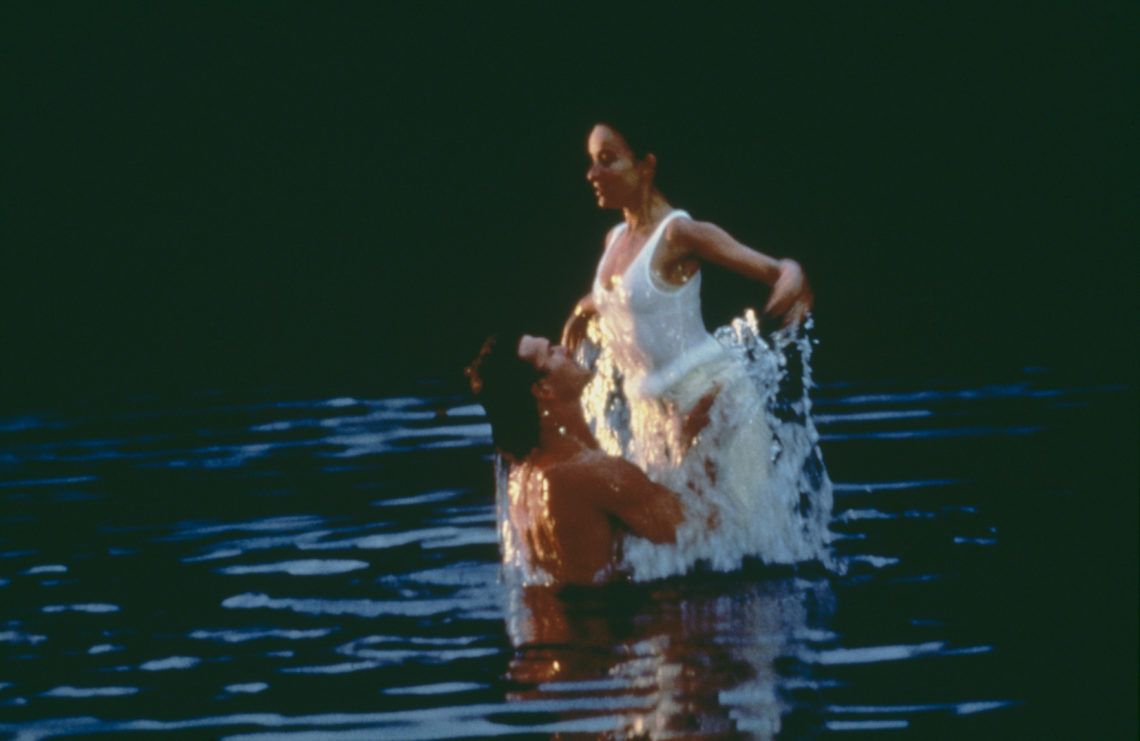


It’s a romcom; a cheesy film with no real substance other than a heart throb love interest and a classic sound track.
But truthfully, Dirty Dancing is an incredible movie. It touches on issues of class, identity and, most culturally relevant, abortion.
Set in the summer of 1963, Francis, also known as ‘Baby’, goes on holiday to camp ‘Kellermans’ with her family.
Francis, played by Jennifer Grey, grew up wanting to become a UN ambassador and felt strongly about helping less fortunate people around the world in developing countries.
Arriving well-read but having not lived away from the comfort of her rich father’s income, Francis meets the dancers and entertainers of the camp who are working class.
Specifically, dancer Johnny, played by Patrick Swayze, views her as naïve and young.
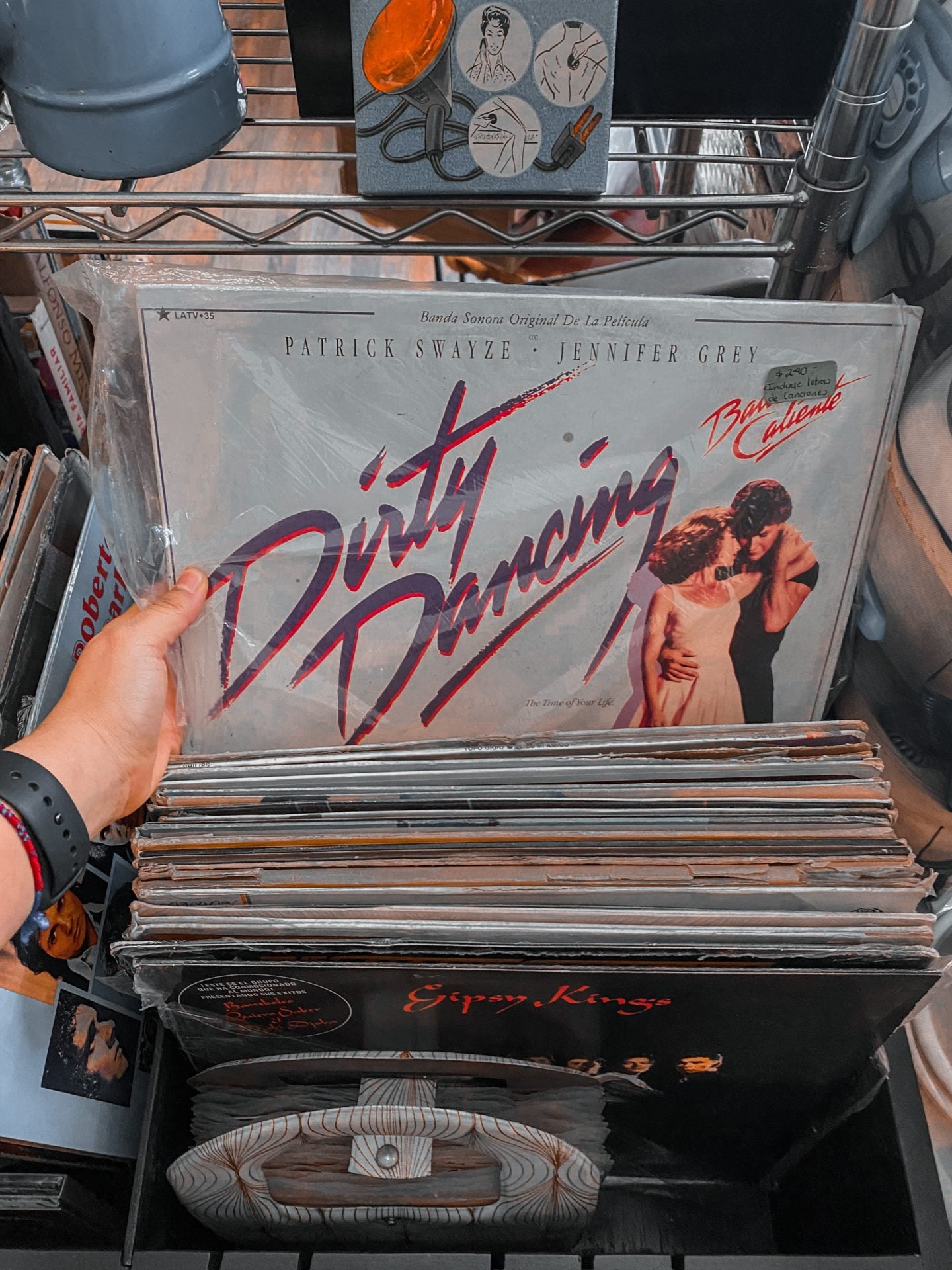
After losing his dance partner, Penny, for the big show, he is left without anyone to dance with and would be out of the job.
Francis, being strong willed and good-meaning, offers to step into the role, despite not knowing how to dance.
The rest of the film follows their love story and Johnny teaching Francis how to dance.
A movie for all ages
While this may be the main premise, the subjects of the movie stretch far beyond this one relationship.
The progression of the movie shows Francis understanding the complications of the real world and, while still remaining positive, becomes more aware of the injustices for people all around her, rather than just in a far away country.
The way that the dancers are treated versus the waiting staff, who are from richer and well known families, reveals the prejudice held against people from their background.
One particular boy Robbie, who comes from the upper class, leaves Penny without help, after finding out that he got her pregnant.
This leads to what, I would argue, is the biggest political statement of the film. Penny has to have an illegal abortion in order to keep her job for the summer.
The procedure does not go to plan and Francis has to find her father, a doctor, to help her.
Timely social commentary
Although set before the legalisation of abortion in the US, the film was created in the 1980s, after Roe v Wade made abortion a constitutional right.
The overruling of Roe v Wade this year has made the film all the more relevant, since it shows the injustice that it has on women, particularly those who cannot afford to care for a child.
If anything, Dirty Dancing highlights how women, then and now, will search for an abortion whether it is legal or not.
We should be looking to this film to remind ourselves that the decision of the US and their attitude towards abortion is harmful and we are letting major issues in history repeat themselves.