

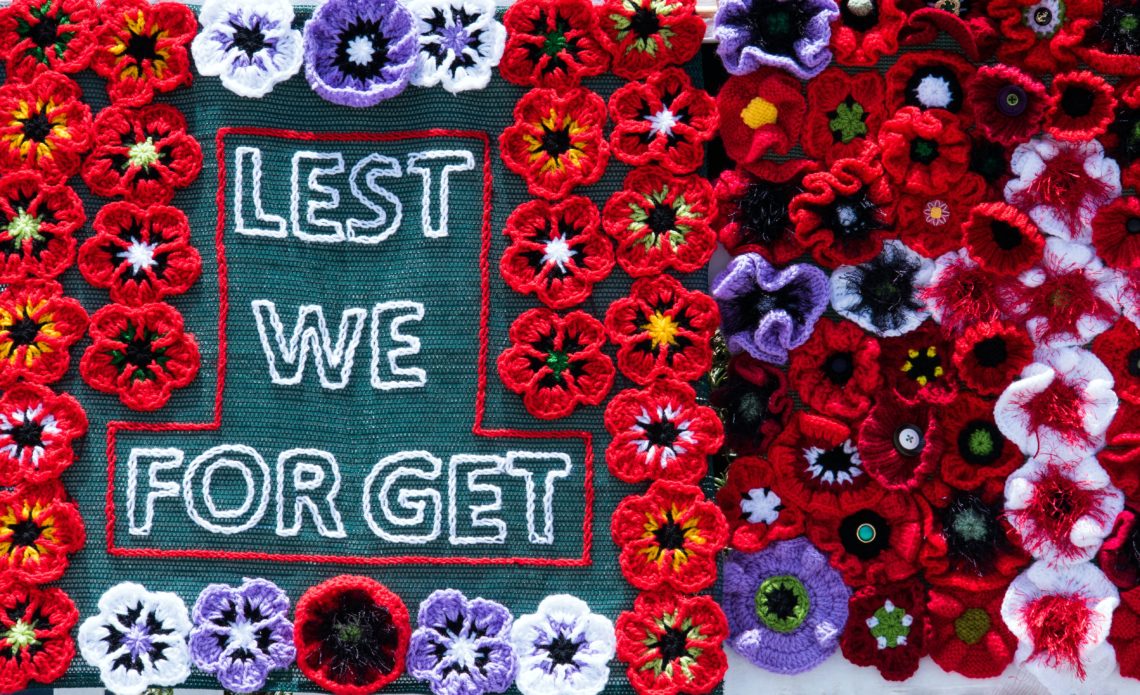


Remembrance Day, once known as Armistice Day, is a commemoration that happens every year on the 11th of November throughout all nations in the Commonwealth. But what is the significance of this date, why do we have a two-minute silence, and why do many people wear poppies? If you missed this history lesson and want to know more, we can fill you in.
What is Remembrance Day?
Remembrance day, along with Remembrance Sunday, is held in honour of those who lost their lives in war for their country. November 11 is the day the Armistice was signed in 1918, ending the First World War. Every year since then, this date has been emblematic of this sacrifice. After World War II, the name of the day was changed from Armistice Day to Remembrance Day, and was held to honour those who died in both World Wars as well as other conflicts.
How did the armistice come to be signed on this date? By September of that year, the Germans had largely given up hope of a victory. Negotiations for peace began in October, and the truce was discussed from the 5th of November. It was finally signed at 5am on the 11th of November, going into effect at 11am Paris time.
See also: Vulnerable People And Over-65s Urged To Get Covid Booster This Autumn
What is the significance of the two-minute silence?
To mark the time when World War 1 ended, the two-minute silence on Remembrance Day is held at 11am. Silence is a way of pausing our day-to-day lives for a brief time in order to acknowledge those who lost their lives in the name of their country.
The tradition originated from a suggestion from Australian journalist Edward George Honey, who proposed the silence as a way to be mindful of the sacrifice of the fallen soldiers. This idea was noticed by King George V who instated it via proclamation.
What is the significance of poppies?
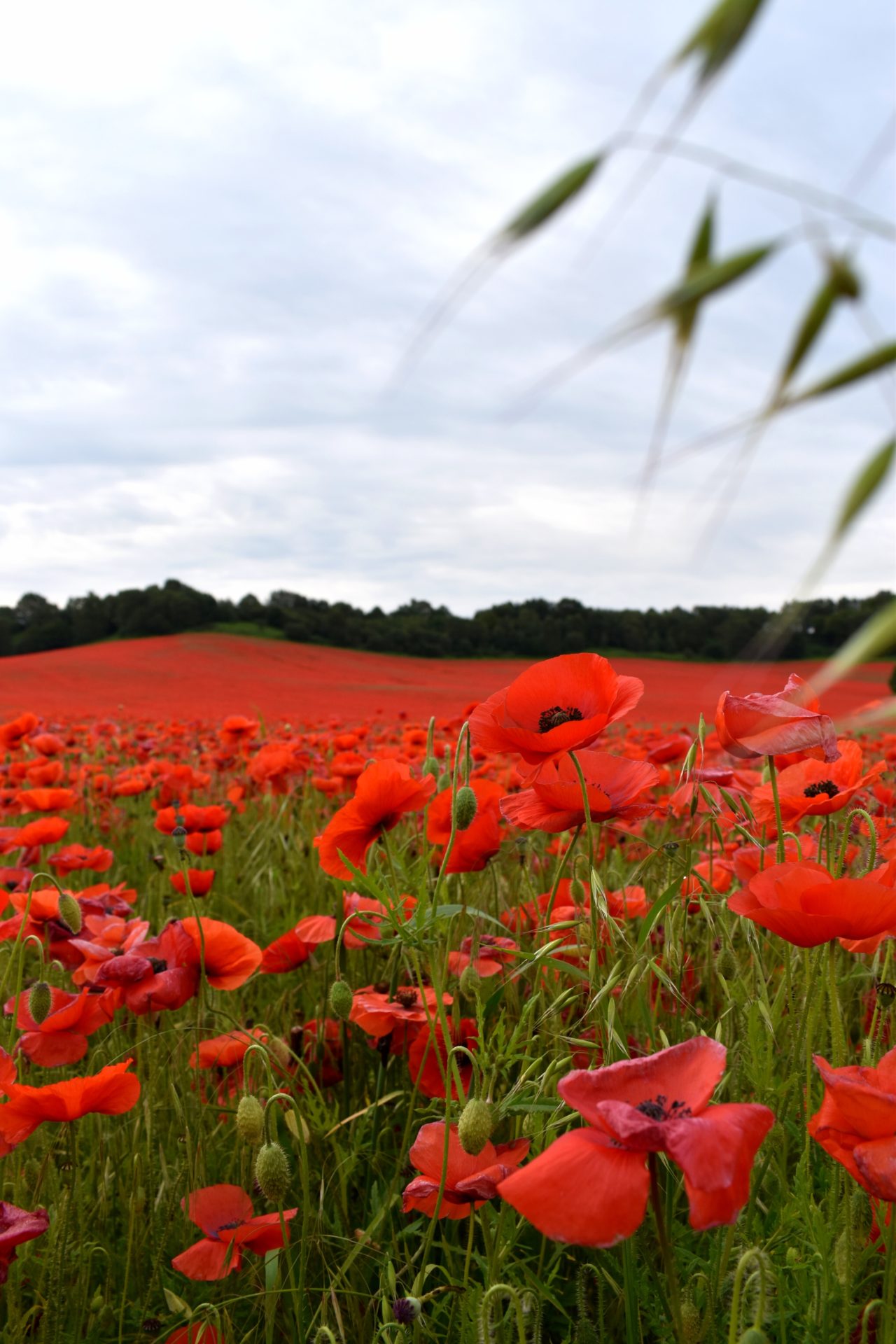
The chaos and destruction of World War I caused many landscapes across Europe to become bleak and barren compared to their former beauty. However, one exception to this was the fields of resilient poppies that continued to grow and bloom in parts of France. These poppies inspired Lieutenant Colonel John McCrae to write the poem ‘In Flanders Fields,’ which became widely read and taught as a testament to the soldiers’ experience. Poppies have now become a symbol of remembrance as well as hope.