

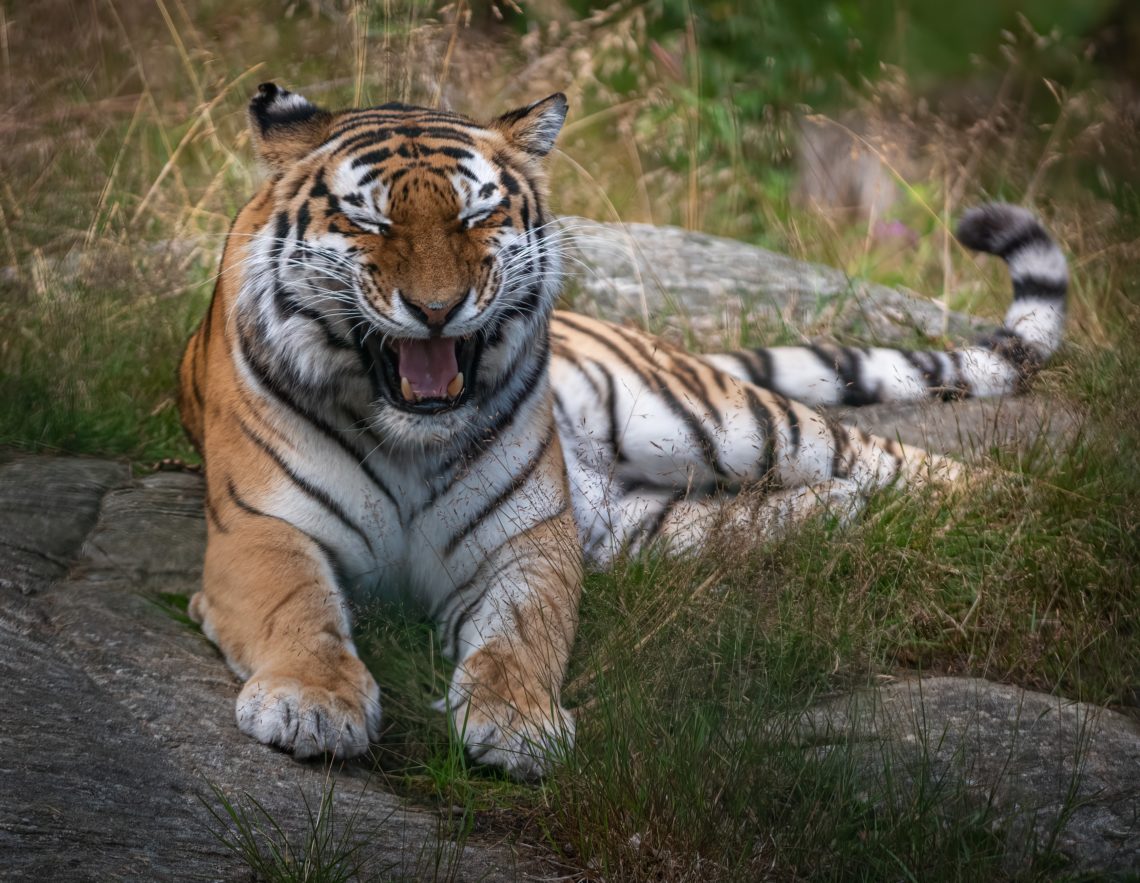


Animals going extinct are a huge fear and very real possibility for many species, and there are many people working towards this prevention.
29 July this year was Global Tiger Day, and Nepal released some extremely good news concerning their tiger population. They disclosed that their wild tiger population had increased by over 40% compared to data that they gathered from 2015.
This means that Nepal has managed to triple their wild tiger population. This is been summarised as a huge 190% increase since 2009.
There was a campaign set by governments in 2010 at the Saint Petersburg international summit to try to double the wild tiger population worldwide. This target is still very much set and Nepal is definitely leading by example.
The country director of WWF for Nepal, Ghana Gurung, told the BBC: “This conservation win is a result of political will and concerted efforts of local communities, youth, enforcement agencies, and conservation partners… the result of sustained effort over many years,”.
This highlights the dedication and efforts that the people of Nepal have put in to trying to increase the tiger population, and successfully so.
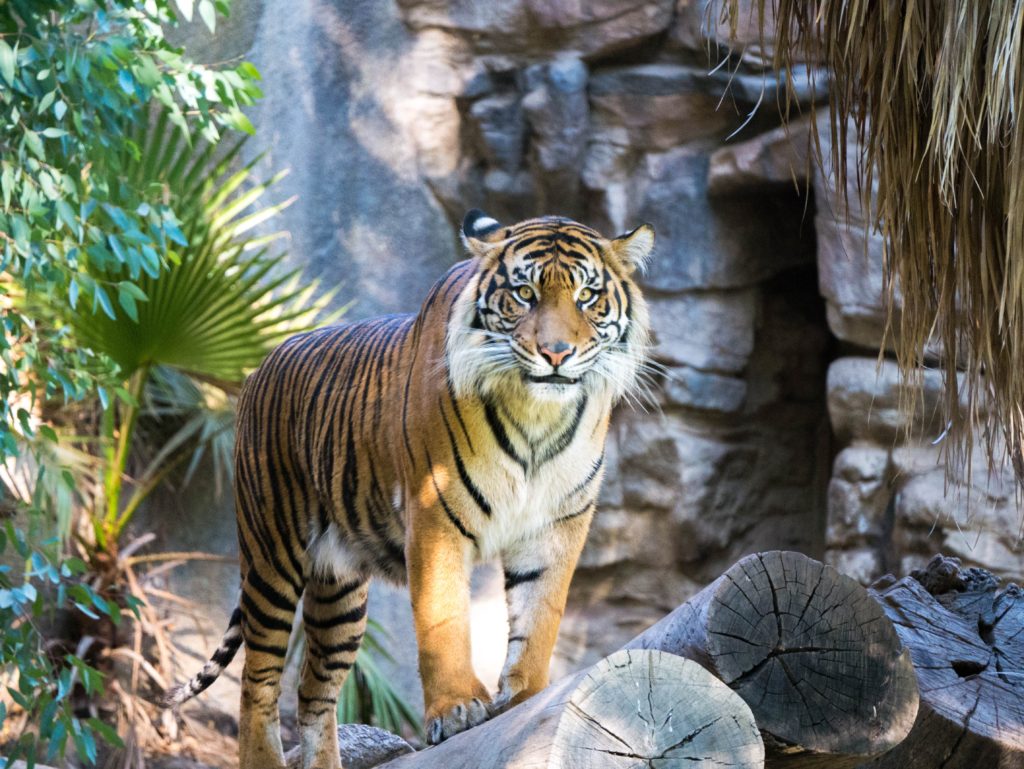
What does this mean?
Of course, it is great news that the wild tiger has increased in population. However, many risks come with this due to the life-threatening challenges of people who boarder the park.
Manjo Gutman highlights how ‘the community lives in terror’, due to ‘the common area that tigers, prey species and human share is so tight’.
Sadly, in the past 12 months 16 people have lost their life due to the tigers in Nepal. This is compared to the last five years where only ten people were killed.
This definitely shows a rise in the tiger population and also a huge risk for those who live close by.
However, this does not stop the park authorities from creating more grasslands to help increase the numbers of the wild tiger. This is accompanied by increasing the number of waterholes to create an ideal habitat for both deer and tigers to try and create a cycle of life.