

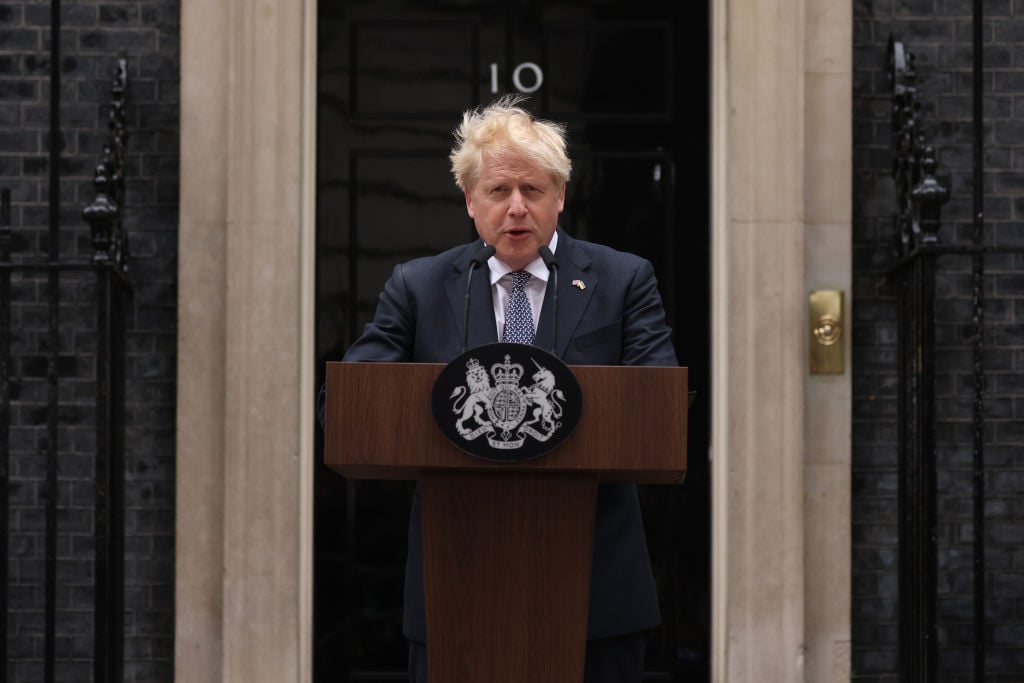


Boris Johnson went from the Prime Minister who ‘got Brexit done’ to one forced to resign by his own party, but what journey brought him here?
Five days ago allegations against the former deputy chief whip came out that he had drank too much and had alleged ‘groped’ two men in a private member’s club in London. For Boris Johnson, this was the beginning of the end.
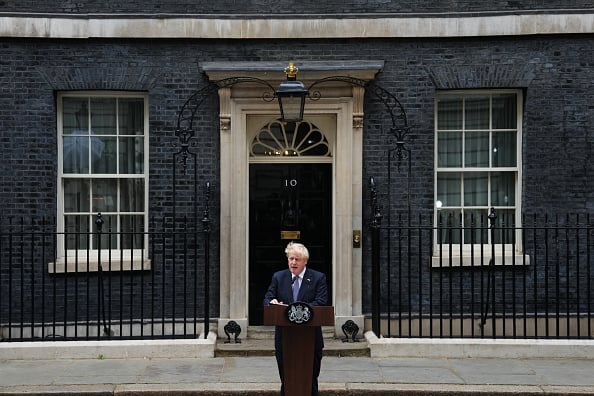
In the following days over 50 cabinet members and aides resigned from the government over Johnson’s failure to acknowledge previous allegations.
What ensued is no other than political chaos. Powerful members of the Cabinet, including Home Secretary Priti Patel, went to the Prime Minister asking him to resign. Now he has officially resigned as Prime Minister of the UK.
The Chris Pincher scandal
There is not just one thing that could help understand why the PM has resigned. However, the Chris Pincher scandal that came out a couple of days ago is certainly something worth discussing. It was revealed that Pincher, the former deputy chief whip had allegedly had too much to drink and allegedly groped two men.
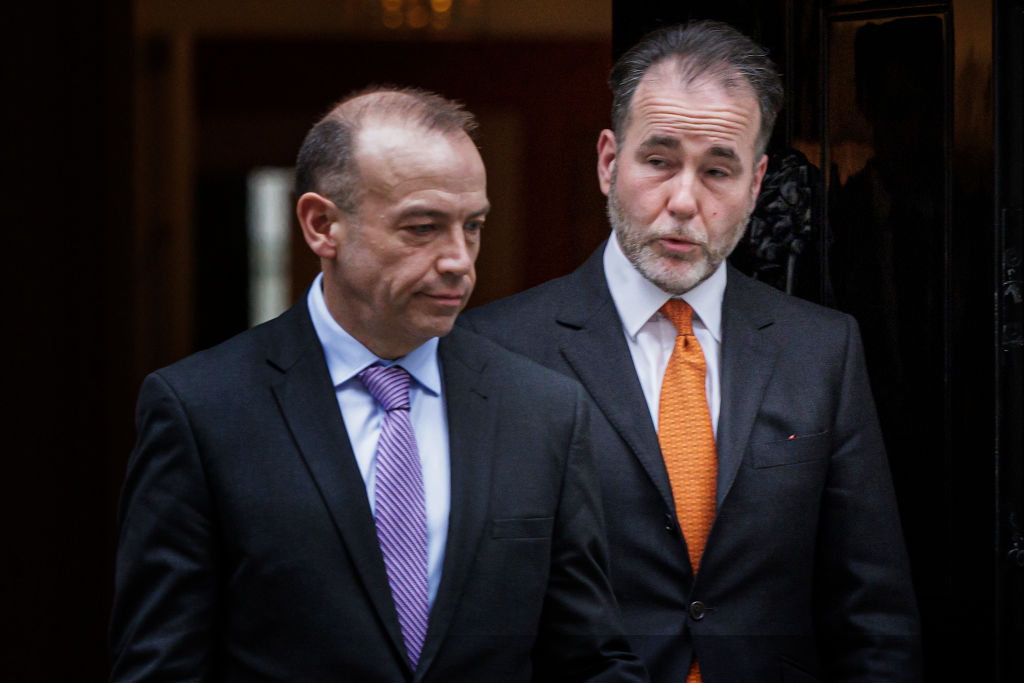
However, after these first two allegations, a flurry of allegations came out. This set of a chain of events could have led to the downfall of the Prime Minister. When these allegations came out, Downing Street revealed that Johnson did not know about what happened.
A few days later it was revealed by the BBC, that the PM had known of these allegations and had been told in person. Even though he knew of these allegations he still appointed Chris Pincher as deputy chief. This was on July 4.
Over the next three days, nearly 50 members of the Cabinet and aids resigned their posts over Johnson’s failure to recognise these issues. The resignations began with the Chancellor of the Exchequer, Rishi Sunak and Health Secretary Sajid Javid. This was Tuesday night. What followed was more resignations. These included Welsh Secretary, Simon Hart and Northern Ireland Secretary Brandon Lewis.
In his resignation letter, Lewis said that he had given the Prime Minister the benefit of the doubt over the situation, that he had defended the government but the situation was ‘past the point of no return‘.
Whilst it could be said that the alleged Pincher scandal was the tipping point in Johnson’s Prime Minister term there are some recent events that have also influenced his sudden departure.
The Partygate Scandal
Just over one month ago Johnson was faced with a vote of no confidence from the House of Commons after Sue Gray’s report on the party gate scandal. Over the course of the pandemic and the lockdown in 2020, the PM held a number of gathering at 10 Downing Street.
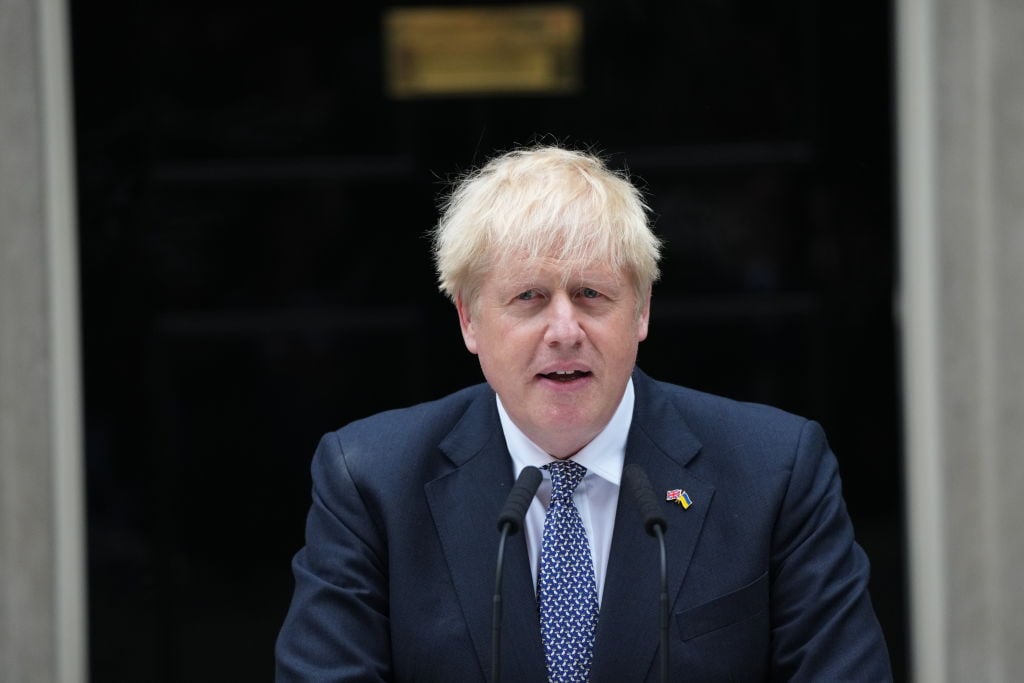
Gray’s report, in January, said that there were ‘failures of leadership and judgment in No 10 and the Cabinet Office’ and further said these events ‘should not have been allowed to happen’. The report on the events of 2020 was swiftly followed by a vote of no confidence, with over 15% of MPs submitted a letter of no confidence to the 1922 Committee.
The Prime Minister managed to win this vote of no confidence with 211 Conservative MPs voting in support of him. However, he faced a large rebellion from within his party. 41% of his party voted against him.
It was clear then and there. Boris Johnson had won the vote of no confidence but he was not safe. Whilst a vote of no confidence could not have been triggered for another 12 months, many PMs before him had resigned following a vote of no confidence.
The increased costs of living
Today inflation is at its peak since March 1982. Inflation currently stands at 9,1% and could possibly continue to rise as warned by the Bank of England. Prices are rising at the fastest rate in 40 years. The costs for foods like, bread and cereals are climbing. Furthermore, the cost of fuel is at a record high.
Many Brits long to see Boris Johnson go. Many cannot afford even some of the basic things and soon they will not be able to pay for fuel. Whilst this is not Johnson’s fault, he could not control the invasion of Ukraine, many see him as the problem nonetheless.
This is because the Prime Minister has chosen to increase taxes in order to try and combat those rising prices in oil and food. When it first announced this tax raise the government defended it by saying that it would help pay for health and social care. However many people, especially workers have a hard time believing it.
In April, Labour leader Sir Keir Starmer criticised the governments choices by saying that ‘in the middle of worst cost of living crisis for decades the government chooses to increase taxes on working people’.
Whilst this has not led directly to the Prime Minsters decision to resign, the increase in food prices has driven Brits to dislike their leader. Many are sure to be happy to see him gone.
Boris Johnson’s mandate
When Johnson won the 2019 General Election in December, he vowed to the British people that he would steer them into a Post-Brexit world. Many are saying that these are vague ideas and Johnson did not have clear ideas as to where his government was going. Some called for a lack of focus in Downing Street.
Furthermore, the Conservative party was losing by-election, after by-election. This was bound to have consequences someday.
This post-Brexit world was not working for Johnson. And now the Conservative party has spoken. Boris Johnson will resign his position as Tory leader and PM. For now, he will stay in his position as Prime Minister until a new leader of the Conservative party can be elected.
However, MPs are already calling for Johnson to leave before and have an interim PM take the lead.