




Winter rolls around so quickly and every year I’m shocked to see my mood decrease. I know when summer comes around I’ll be happier and more optimistic. But does that mean I have to spend half of the year miserable? It’s no secret there’s a mental health crisis in this country. With scarce resources and support, help seems unattainable and asking for it seems pointless. Not even the crisis team understands.
Like a lot of people, my experience with Seasonal Adjustment Disorder (SAD) has been frustrating. So this year I decided to do as much for myself as possible in the hopes of feeling better. If you’re looking for ways to help yourself. Read on.
Prepare
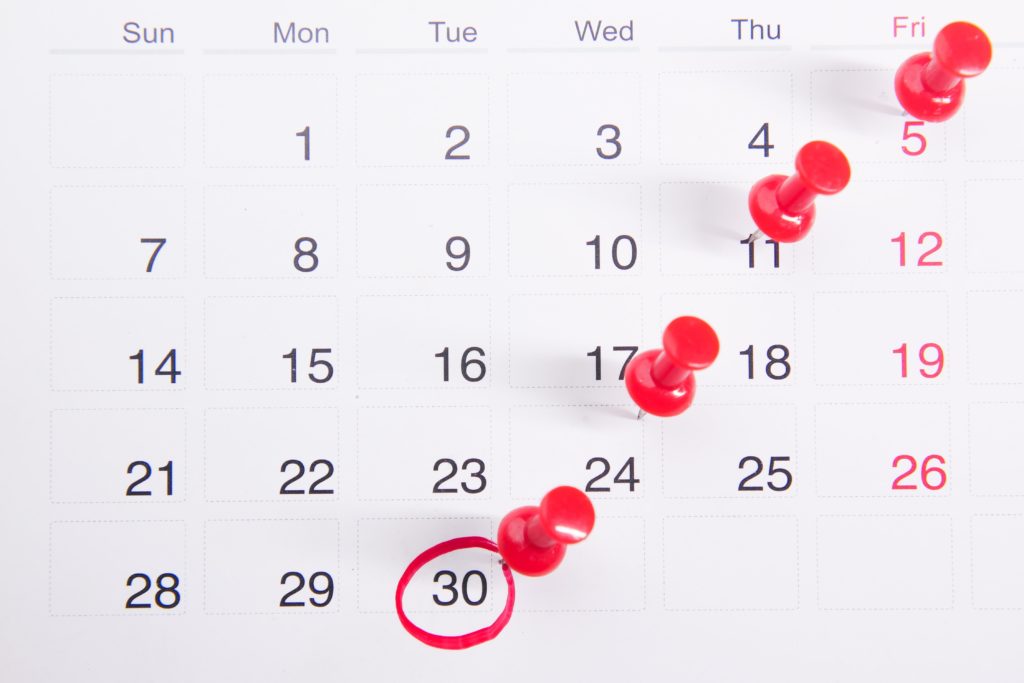
This tip is better in hindsight, if you know your mood is affected by the seasons, prepare for it in advance. I personally find I have more motivation and energy in the summer months. And when winter comes my mood decreases and I unintentionally isolate myself. So whilst it’s still bright and warm outside, I make plans for my future self to enjoy. Scheduling time with friends and making plans month in advance keeps you going on your worst days.
Looking after your body
It’s tempting to spend the entire winter not moving from your bed and binge watching Netflix. But as much as we’d like it to be, comfort isn’t happiness. And doing more for your body can improve your mood. So stock your cupboards with multivitamins and start getting to sleep on time. Taking care of yourself is important, and whilst it’s annoying to hear exercise does help you feel better. But if you don’t fancy joining the gym, there are other ways to get your body moving. Take a look at this list of social sports.
Natural Remedies
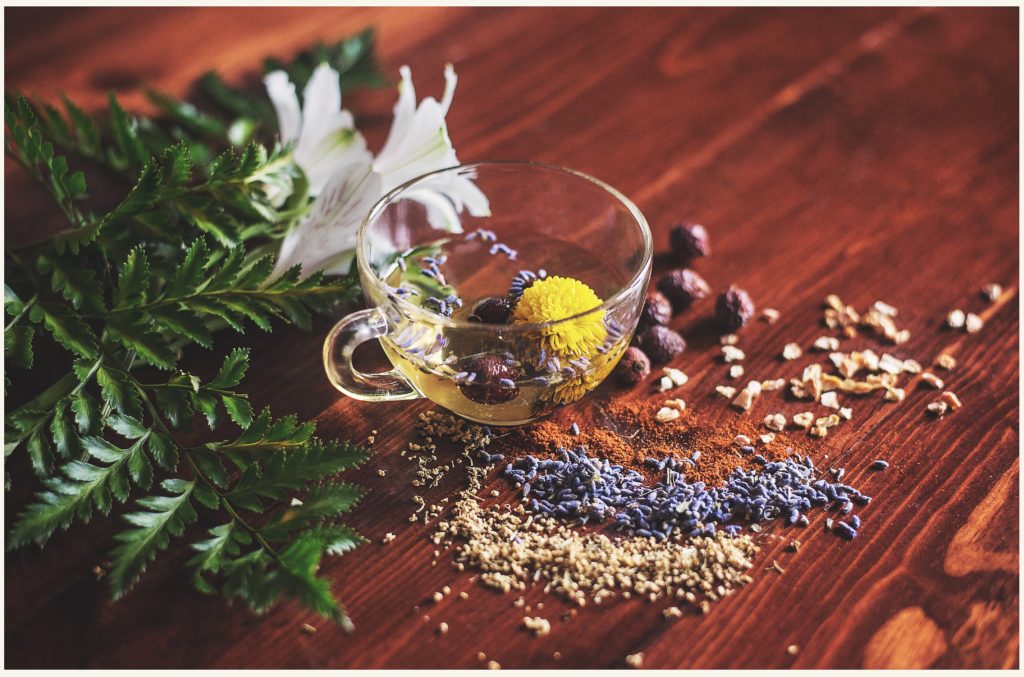
The symptoms of SAD include: fatigue, sleep troubles and feelings of self-self-worth. Some biologist attribute this to the winter season disrupting the body’s circadian rhythm. Trying natural remedies can help you feel like yourself again. Make sure to get enough vitamin D by going outside as often as you can. But buying multivitamins is a good way to make sure you’re getting enough. Visit a herbal shop or browse online. There are many natural mood boosters to buy. But make sure you do your research as a lot of natural remedies don’t mix with prescribed medications.
Spending time off social media
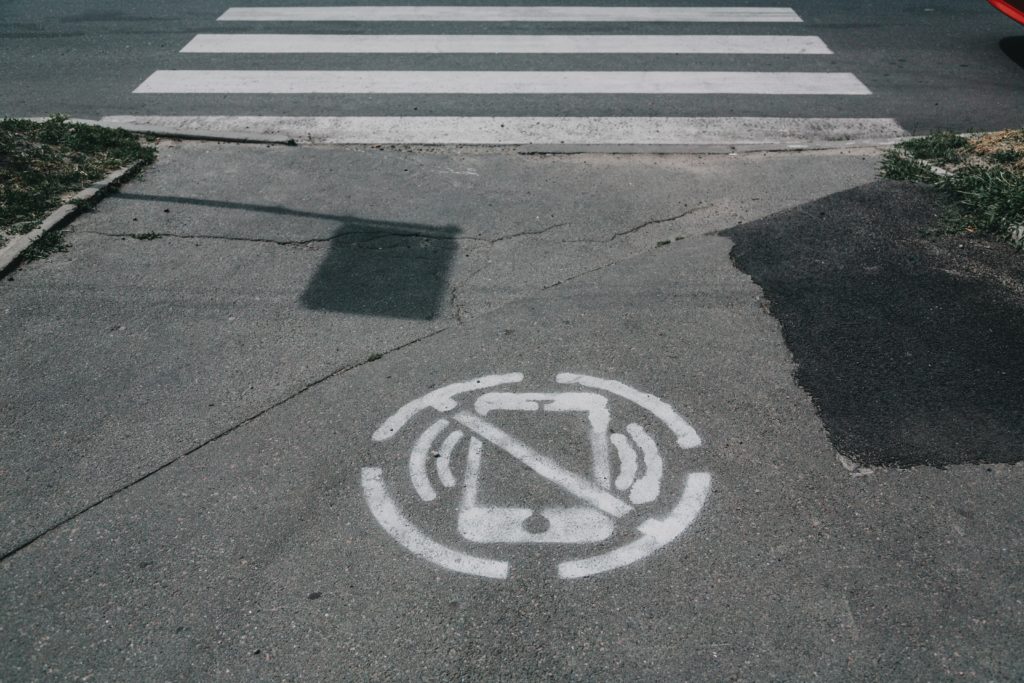
It’s difficult to break the habit of constantly checking your phone. But once you do, you’ll start to recognise the benefits. For me, the hardest part was resisting the urge to scroll as soon as I woke up. But I realised morning media only made me more groggy. If you struggle to stay away from your phone try some of these apps.
Talking
Opening up about your feelings is important, so don’t suffer in silence. Having a supportive ear to listen will make you feel less alone. Having a strong support system and talking to them about your problems can make you feel better in the long run. You’ll realise SAD affects a lot of people, and shared experiences can make the emotions feel less intense.
Do what’s best for you:
Suffering from SAD is difficult but it will pass eventually. No matter how long the days are, it’s always a step closer to the brighter months. However, it’s important to remember these tips may not work for everyone. And if you’re severely suffering make sure to reach out for help.
Helplines:
Samaritans (24 hours): 116 123
National Suicide Prevention Helpline UK (24 hours): 0800 689 5652
Campaign Against Living Miserably, CALM (5pm-midnight): 0800 58 58 58