

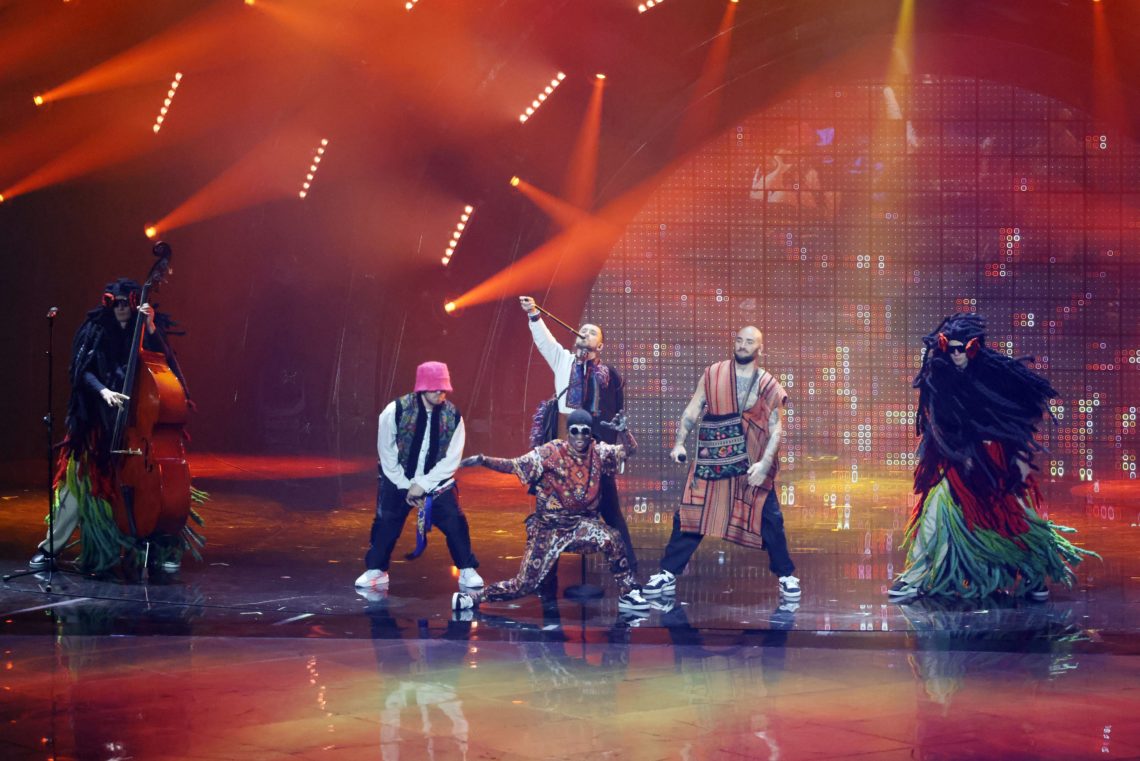


Since 2009, the countries that qualify from the semi-finals of the Eurovision Song Contest have been decided by a combination of public voting and jury decision. However, from 2023 on, that will no longer be the case. So why is the Eurovision changing its voting process?
The revised rules state that the ten countries that move forward from the semi-finals will now be decided by public voting alone. Also, viewers watching from countries that are not competing will now be able to vote as well, although they will not be represented by a jury.
Why are the rules changing?
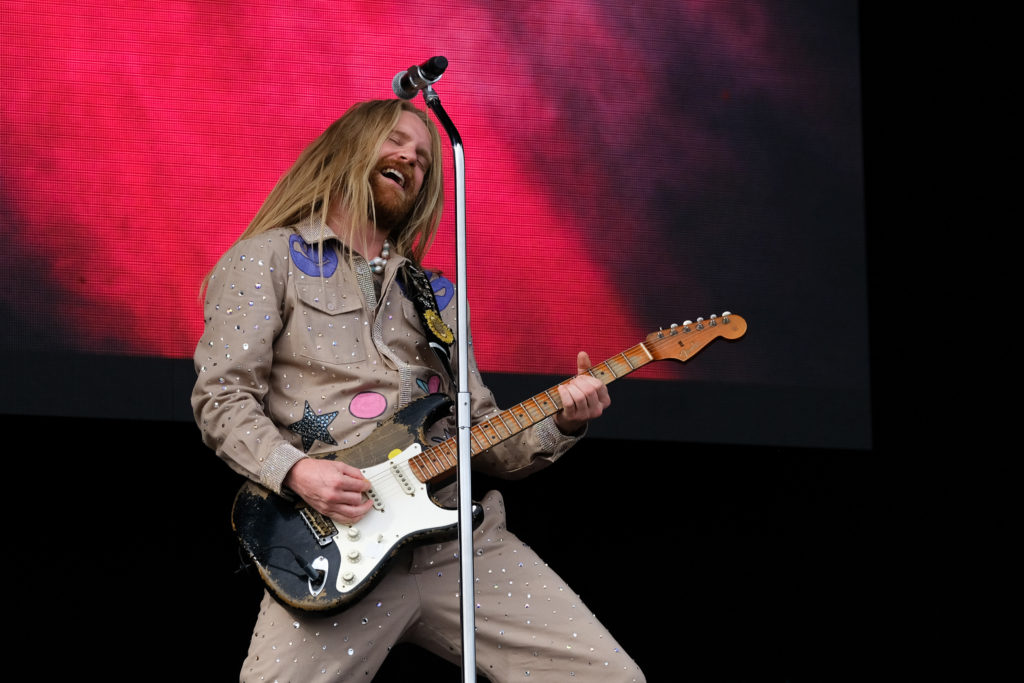
In this year’s competition, it was discovered that the six juries had traded votes. This meant that the organisers used an algorithm to make the decision instead. Some believe this algorithm artificially inflated the UK’s score, and that Spain should have had the second-place position.
This issue caused some to call into question the efficacy of the system as it stood. These new changes are intended to prevent something similar from happening in the future.
See also: Who Came Out On Top At The AMAs?
The Eurovision Song Contest’s Executive Supervisor Martin Österdahl said in a statement that the changes come as part of Eurovision’s mission to ‘remain relevant and exciting,’ as well as to ‘give more power to the audience’ and ‘ensure a thrilling voting sequence.’
Will there still be a jury?
The jury system will not be eliminated entirely. The jury members will still cast their votes in the semi-final, which will serve as a back-up in the event of an invalid televote. The jury votes from every country will also be counted in the Grand Final as usual. The only difference in how the Grand Final will be conducted is that the votes from non-participating countries, the ‘rest of the world,’ will be factored in.
This year’s winners, Ukraine, will not be able to host the event due to the war. The 67th Eurovision Song Contest will return in May, with the UK hosting the grand final in Liverpool. There will also be a cultural festival held alongside the event, celebrating both UK and Ukrainian music, art, and culture. Culture Liverpool has issued a general callout for artists, creatives and performers to submit their ideas for the festival. There are three categories for submissions: UK and Ukraine, Music United, and Eurovision in Liverpool.
Anyone from a country competing in the contest is welcome to apply for a deadline of December 12. Successful applicants will receive an initial amount of £2,000 in funding to develop their ideas.