




Teachers usually try to tailor to all types of learners, however when you are revising or re-teaching yourself something, it can be hard to do anyway. Add to that, if you don’t know how you best learn, it can become an extremely hard and frustrating task. Here, you can learn about the different types of learners, how they operate best and which you most identify with.
What Types Are There?
In 1992, a study was released by Neil Fleming and David Baume which explained that there are four different kinds of leaners. They labelled their discovery with the acronym VARK which details the learning styles: Visual, Auditory, Reading/Writing and Kinaesthetic.
Visual
Visual learners best take in information when it is given in a graphic style. They tend to need all the information at once, so they can fully understand what they are being told.
These kinds of learners appreciate graphs, diagrams, videos, images, etc. Some visual learners remember the content by recalling the diagram or picture that they saw the information on, rather than the actual words themselves.
In select cases, some visual learners also have a photographic memory and can create a snapshot of the content in their mind to recall at a later date.
See also: Free Online Chats For Mental Health Issues
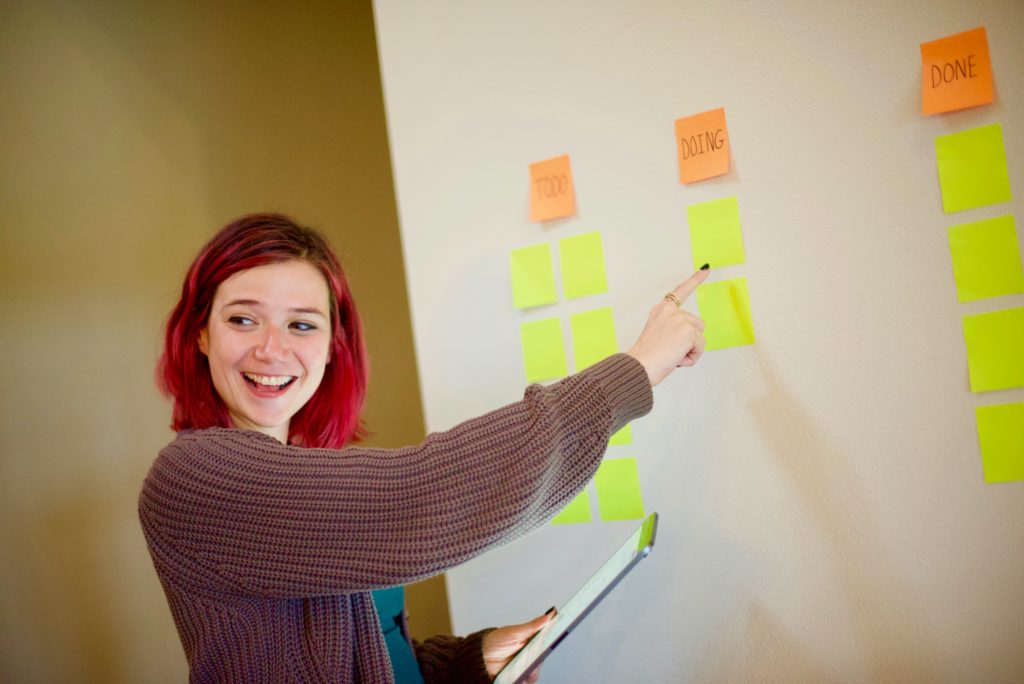
Auditory
Auditory learners need to hear the information rather than see it. This means that these students may not detail as many class notes as they are trying to keep listening to what is being said.
These learners also frequently enjoy talking with classmates and in groups about the content as hearing others talking about it can help them further understand. Reading their work aloud can also help as they are hearing the information as well as reading it.
- Read Next: Best UK Universities For Teacher Training
Reading/Writing
These learners are best suited to the typical classroom style of reading from a textbook and rewriting the information out. Students who best appreciate content through reading and writing do well with handout sheets, slideshows and simple textbooks.
They also tend to be great at notetaking as they can recall information from classroom reading and remembering what they previously wrote down.

Kinaesthetic
It is thought that kinaesthetic learners are the most likely to fall behind in typical classrooms as most schools do not tailor their classes to these types of learners.
Kinaesthetic learners best take in information by being active or using their hands. This can include things such as flash cards, group activities and even getting up to do physical activities relating to the information.
When revising, kinaesthetic learners may create their own ‘performance’ in order to remember content or create vibrant flash cards.
Quizzes
Here are a handful of short quizzes that can help decipher what type of learner you are, which will help you tailor your classes and revision to your personal style: