

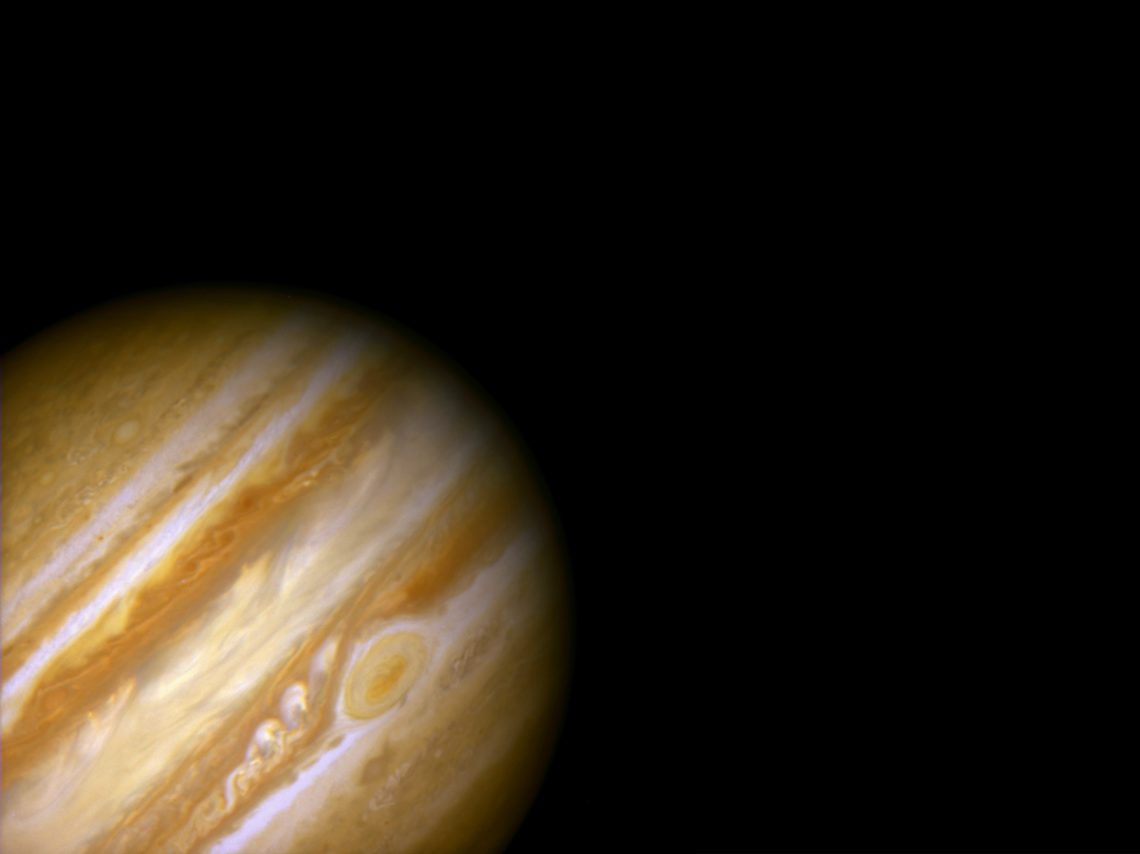


It’s the age-old question, and now we’re travelling further afield to see if we can get some insight. However, today was not the day that JUICE will launch on a multi-year journey on the Jupiter moon mission. The revolutionary project has cost over a billion pounds, but poor weather conditions mean the JUICE mission has been postponed.
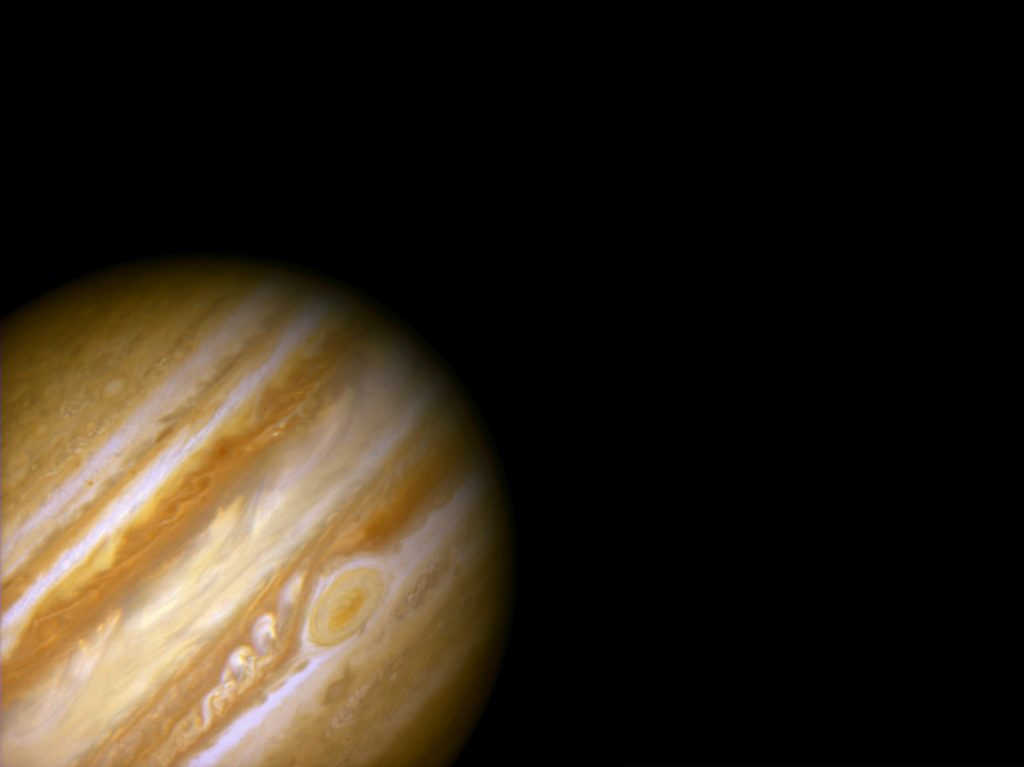
David Bowie asked if there was Life On Mars, yet it may have been on one of Jupiter’s moons all along. It’s been a pretty big year for the largest planet in the Milky Way. Not only has it had another 12 moons discovered, but it makes it the planet with the most moons in our solar system! With a huge 92 orbiting the planet, it beats Saturn which has a mere 83.
Both put our one moon to shame.
However, the JUICE spacecraft isn’t interested in all of its moons, but just three in particular. However, its mission will have to wait another day.
Jupiter Moons Mission With JUICE Spacecraft Has Been Postponed
The Jupiter mission will now attempt launch tomorrow (April 14) from French Guiana as it sets to investigate three of the planet’s moons. It was meant to set off today, but lightning risks mean the weather conditions have postponed the mission.
The mission will already take a little while to get there, so hopefully another day won’t make a huge difference. JUICE will trek across space for 8 years before reaching the planet. Already, it’ll be 2031 before the spacecraft will even begin probing.
Though the delay will no doubt be a massive disappointment, conditions have to be right for the revolutionary launch to take place.
Officially called Jupiter Icy Moons Explorer, JUICE is the product of the European Space Agency (ESA) and has nothing to do with NASA. Its mission is to find out more about three of Jupiter’s moons which are largely ice. Astronomers and scientists believe there is evidence of deep water oceans on the moons, which could be a sign of life.
The mission will look at three moons of Jupiter: Europa, Calisto, and the biggest moon, Ganymede. With the project costing £1.4 billion, the ESA will hope the project will determine whether the water on these celestial bodies can sustain life.
What Is The 2023 ESA Mission Searching For?
JUICE is looking to see if the water on any of the moons has the correct depth and salt content to support life.
Water is a huge part of seeing if a celestial body can sustain life. However, other factors include nutrients, an energy source and enough time for a lifeform to establish itself.
There have been many missions to Mars to determine if there is free-flowing water there. The interest in our closest planet has stemmed from a lot of films about possible life on the red planet. As of yet, none of them have come true, including finding the resources for life their
So, the ESA and JUICE are searching slightly further afield to see if the correct conditions can be found elsewhere. With a new interest in the Milky Way’s two biggest planets moon’s, Jupiter and Saturn and now in the limelight.
The plan is for the spacecraft to do a close fly by the three moons 35 times on its mission, before analysing below the surface on Ganymede after settling in its orbit. Though it will take 8 years to get there, JUICE will collect data for 8 months, sending it to the scientists back on Earth.
We will have to wait until tomorrow to watch the historic Jupiter mission launch after being postponed today. Hopefully, everything will go to plan then.