



Should the UK justice system be reformed is a question that comes up every few years. But what is the answer to this complex issue?
Responding to an influx in knife crime in 2021 Odane Cross, a takeaway owner in Reading, set up Trade the Blade, an amnesty offering discounts to locals who hand in a knife or blade. By providing an excuse for people to give up weapons in a stigma-free, respectful environment without punishment, he collected 18 weapons in a week, largely from teenagers as young as 11.
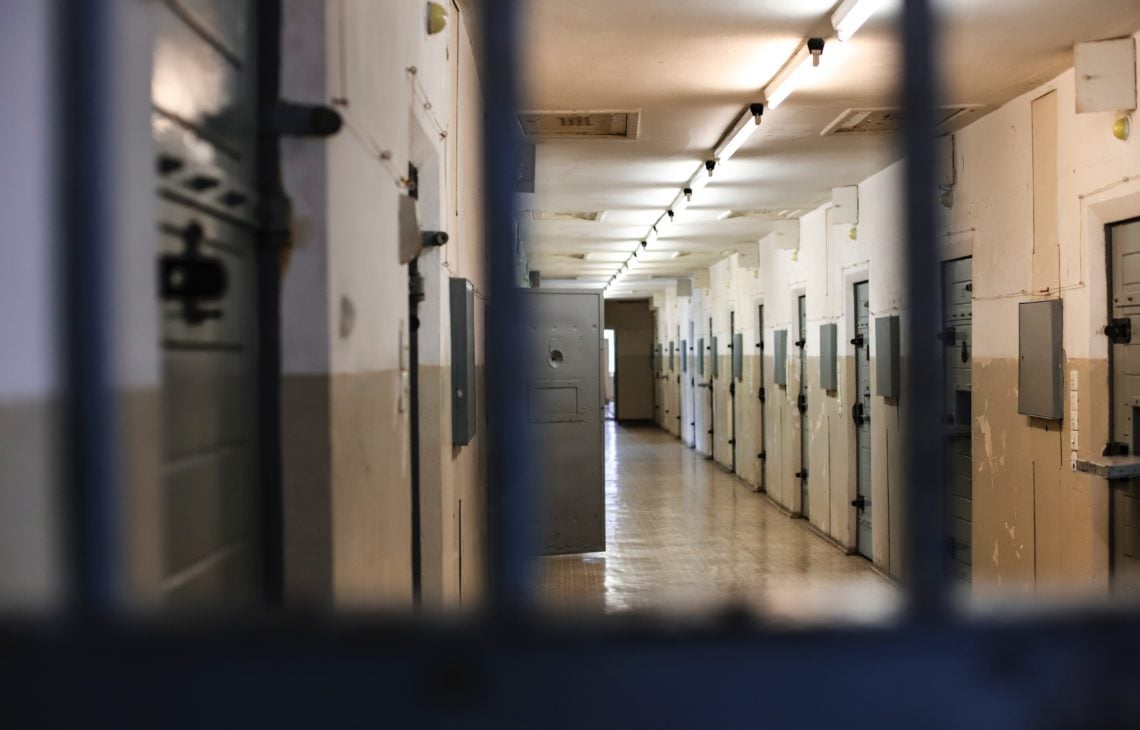
Echoing this rehabilitative approach, Norway’s Halden prison equips inmates with counselling, education and life skills in a safe, clean, friendly environment which nurtures respectful relationships between officers and prisoners and mirrors normal life.
But is justice served when murderers, rapists and pedophiles are financially and educationally nurtured while their victims’ lives are irreparably damaged, and over 22% of the UK population lives in poverty?
Arguably these sustainable methods are more efficient in reducing crime, building a safer society, and providing a route out of criminal lifestyles than draconian punishment.
See also: What Has The James Webb Space Telescope Found So Far?
Harsh punishment for offenders is an effective deterrent against crime and recidivism; knife carriers should not be rewarded and aided in evading the authorities.

Victims and their families deserve justice through an unforgiving prison system, not one offering their perpetrators mental health support they themselves cannot access. When millions across the UK lack quality housing, food, education, employment, and therapy, how can we offer these services to criminals?
However, human rights do not have to be earned or deserved. Even criminals should receive sanitary living conditions, safety, food, and education: confinement is punishment enough in itself.
Rather than fighting violence with violence, schemes such as Trade the Blade and the Halden prison allow people to admit and recognise their mistakes in order to overcome them and reform their lifestyle.
Since adopting a rehabilitative justice system, recidivism in Norway has decreased from 70% to 20-30%, creating a safer nation. Essentially, through receiving respect, inmates can gain respect for themselves, others, and authority, preventing repeat offences. Against a backdrop of counselling, education, and work experience, this facilitates a smooth reintegration into society.
Ultimately, rehabilitative reforms are crucial in the UK justice system. Not only would this establish a basic level of human rights for all; it would provide people with a second chance and reduce recidivism to keep the population safe.
However, justice reforms must run hand-in-hand with increased support for victims of crime, specifically focusing on the mental health sector, and wider social reform to combat poverty and drastically raise the baseline standard of living for all.