

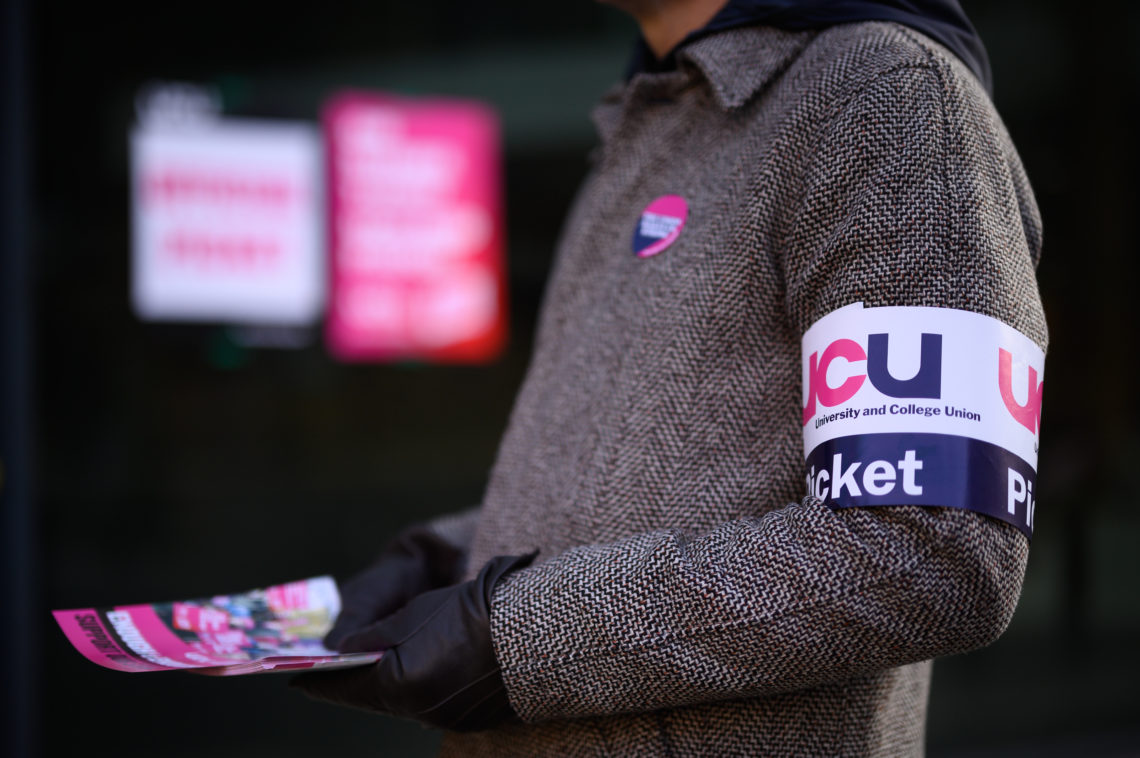


University strikes are taking place throughout February and March with lots of disruption expected for students. Though their studies are being interrupted, lots of students are showing their support for the UCU strikes. However, others are asking for partial refunds on their courses.
A poll taken at Durham University shows that more students are supporting striking university staff. This comes after many students took to the picket lines this week to demand an increase in pay for staff supporting their studies. Though lots of students are on UCU’s side, many are asking for partial refunds on their university courses because of the disruption.
Study Shows Students Supporting UCU Strikes Have Increased
A study conducted by Palatinate back in November showed that 28 per cent of students said they supported UCU and the actions they are taking. After repeating the poll in January, they found this had increased by 1 per cent.
Although that doesn’t seem like a huge difference, those who support the UCU but not their tactics increased to a third of students from November.
The 34 per cent of students who said they supported the UCU but not boycotting decreased to 25 when taking the January poll. However, there was also an increase in students who said they didn’t support the UCU, rising from 11 per cent to 14.
This means that overall, 54 per cent of students support the UCU strike action, making it the majority of students.
Comments left by students were mostly positive and suggested that strikes were the way to get change.
“support strikers all the way until their demands are met. It’s the only way to make change happen,” one testimony said.
Another agreed, “At the end of the day, the best way to make social change is to cause issues and if that means lecturers have to strike and stop lectures then that’s what they have to do. They deserve to be well paid.”
Students Take To The Picket Lines To Show Support
Though the strikes will affect millions of them, students have been showing their support. Some have taken to the picket lines, occupied buildings or provided comforts for staff.
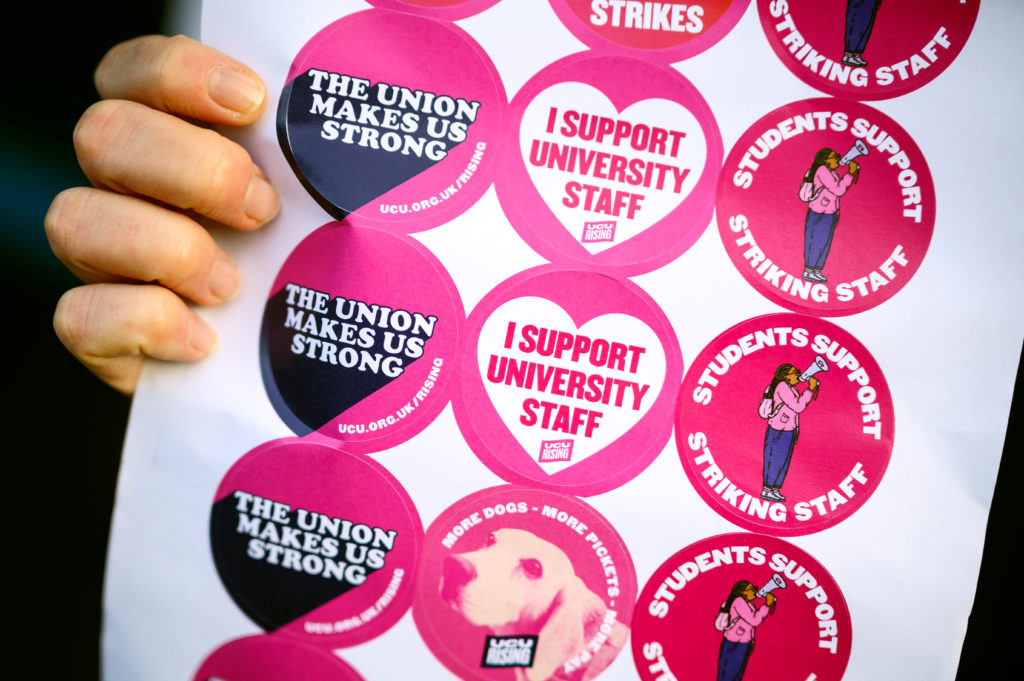
Left Foot Foward reports that The Royal Central School of Speech and Drama students joined the picket lines; those from Manchester University provided staff with drinks, food and cards to show support. The National Union of Students organised a staff-student solidarity day on February 9 to show that staff pay directly affects students.
At Lancaster University, students occupied a university building on Valentine’s Day to show support for the UCU strikes. Barricading themselves in the Charles Carter building, students refused to leave until the end of the strike day.
Some Want A Refund For Disrupted Studies
Already, students have submitted government petitions demanding refunds for missed teaching due to the strikes. One gained over 12,000 signatures before being timed out before reaching its goal. Another was rejected due to similarities to the first.
Currently, The Student Claims Group are getting students to sign up in the hopes of receiving compensation for COVID disruption. Included in the claim is the request for compensation for disruption due to strike action too.
A Cardiff University student told Wales Online that he does not support the strikes. Worried about the effects on his learning, he believes students are suffering undeservedly.
“We are being used as political tools because the union and the universities have not done enough to settle this without a strike. I understand why they are striking and they have a right to strike, but at the same time it’s unfair on students and I don’t support it.
“I think I’ll miss eight or nine lectures on one module as a result of this. I’m paying £9,000 a year for my course and I think we should be reimbursed for missed lectures and teaching.”
It’s not certain if students will receive any reimbursements from the government for strike disruption, however, it seems unlikely. Some universities, including Bristol, are offering students money through schemes. Check in with your university to see if there are ongoing schemes.