

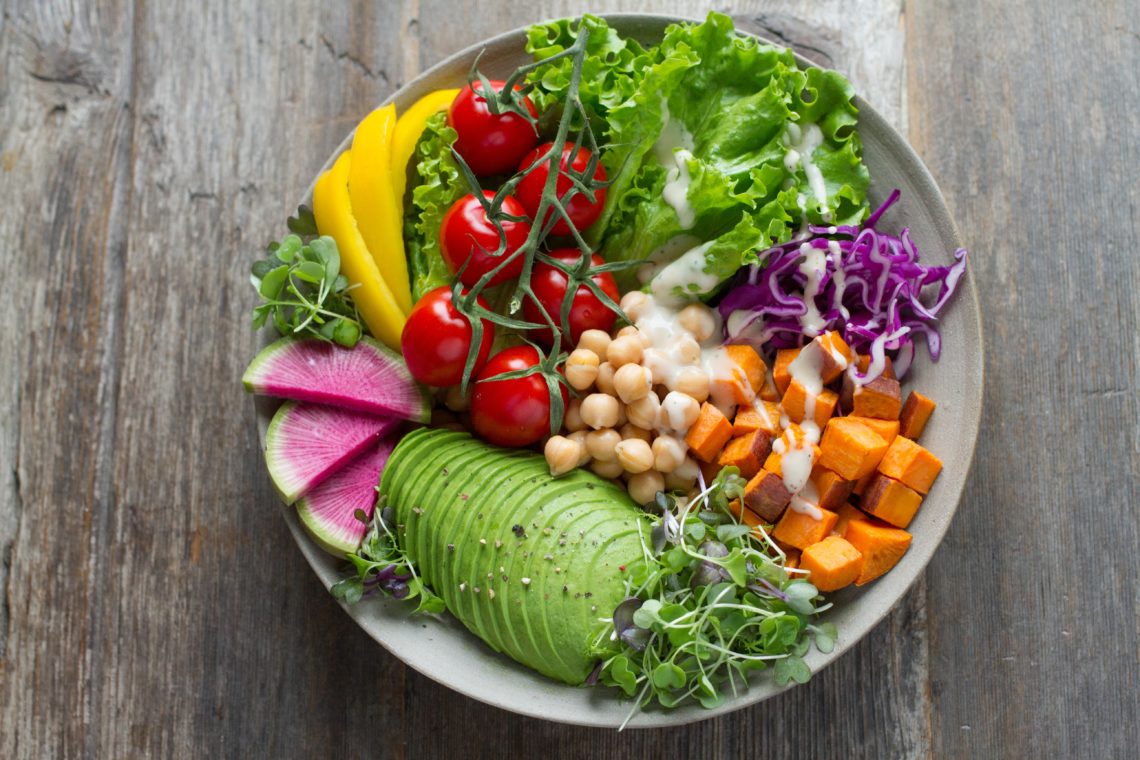


Many people started their 2022 by creating New Year’s Resolutions to better themselves and the environment. Thus Veganuary became a popular lifestyle choice in January. The vegan world has expanded over recent years, more than many realised it would. Health benefits are promoted from a Vegan diet, as eating meat and dairy products can have long-term impacts on your health. Additionally, it has been argued that a regular diet can lead to drastic effects on the climate.
An article from Simon Usborne in the Sunday Times highlights that people involved in Veganuary 2022 was its highest recorded yet. There were 600,000 registered participants as well as many more independents. From these statistics, it was documented that 35% of people were primarily changing their food habits due to climate concerns.
Changing your Food Habits
Milk alternatives such as Soya, oat, or almond are a small sector of this vegan world that has swept the nation. Today, for example, you would struggle to find a coffee shop that does not cater to the vegan market. However, debates are ongoing as to whether these vegan products cause more harm than good to the planet. Production waste has been highlighted in shows such as Conspiracy and Seaspiracy as causing more damage to the environment than pollution. This resulted in many trying to fight against climate change by switching out some animal and dairy products for vegan ones.
Greenhouse is a site that wants to assist the struggle against climate change. They state that some of the issues with Veganuary surround how these alternative products are sourced. Soya production is linked to deforestation and soil erosion. This is due to it not being based or sourced in the UK. This leads to further issues of air miles and an increase in carbon emissions.
Greenhouse’s article concludes by highlighting the importance of food locality rather than the meat vs plant debate. The air miles of food must be assessed further in order to make the public aware of how to efficiently help the environment, rather than just changing their eating habits and not eating meat. Areas that should be further promoted to educate people on the climate crisis include how food is transported, packaged, and the amount of water used in this production.
Safety of a Vegan diet
An article produced by the Circle Health Group highlights the positives of a vegan diet, including lower risks and fewer health-related issues caused by high blood pressure, high cholesterol, and obesity. Studies have also demonstrated fewer cancer and type 2 diabetes cases, in part, being due to a vegan lifestyle. Negative attributes of a vegan diet include potentially getting less vitamins. An interview with Dr. Ali Khavandi highlighted that vitamin deficiency can be an offset of veganism. However, this issue can be easily fixed. By implementing certain types of fruit or veg that are high in specific vitamins, such as pulses ad dried fruits, a healthy diet can definitely be achieved.
Overall, the debate between veganism versus regular diets can go around in circles. This is why people should try different diets and food adaptations safely and slowly. When considering the environment, eating less meat can contribute to the lesser production of waste and water.
However, the locality of food and air miles must be highlighted as an important way to help climate change. If more people sourced food locally, far less pollution would be emitted, thus assisting in the fight against the climate crisis.
Read next: How to manage money as a student