

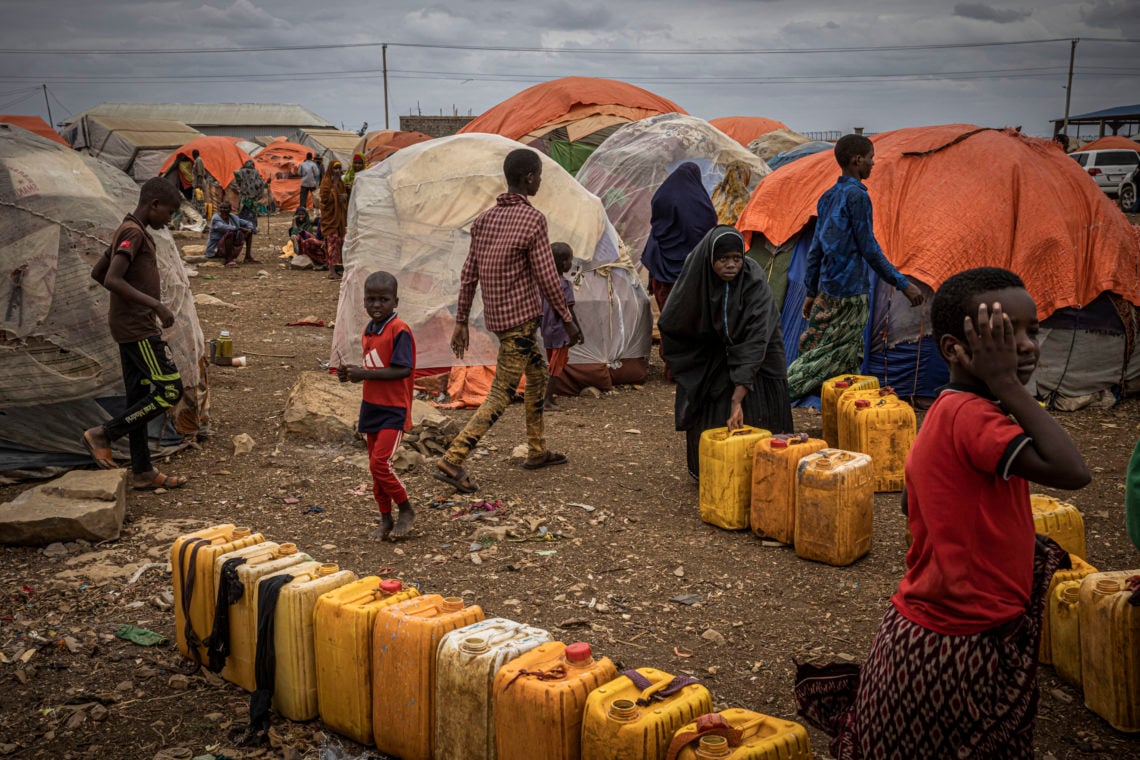


The UN Humanitarian chief says Somalia Risk is at risk of facing famine again worse than in prior years due to lack of rainfall.
The United Nations predict it could be worse than before as Martin Griffiths, UN Humanitarian chief said that the famine is likely to hit Somalia in October/November. However, it is likely to last well into 2023 as rain does not look like it’s on its way.
Speaking to the UN, Griffiths also added that ‘Famine will happen in Somalia, and we fear it won’t be the only place either.’ The UN fears that Ethiopia, north-east Nigeria, South Sudan and Yemen are among the countries that will be facing famine sooner rather than later.
This isn’t the first time, 11 years ago, 260,000 people died. Half of them were children under five and tragically mothers were forced to bury their children who did not survive the journey to find aid. This time things could get worse. 22 million are at risk of starvation this time.
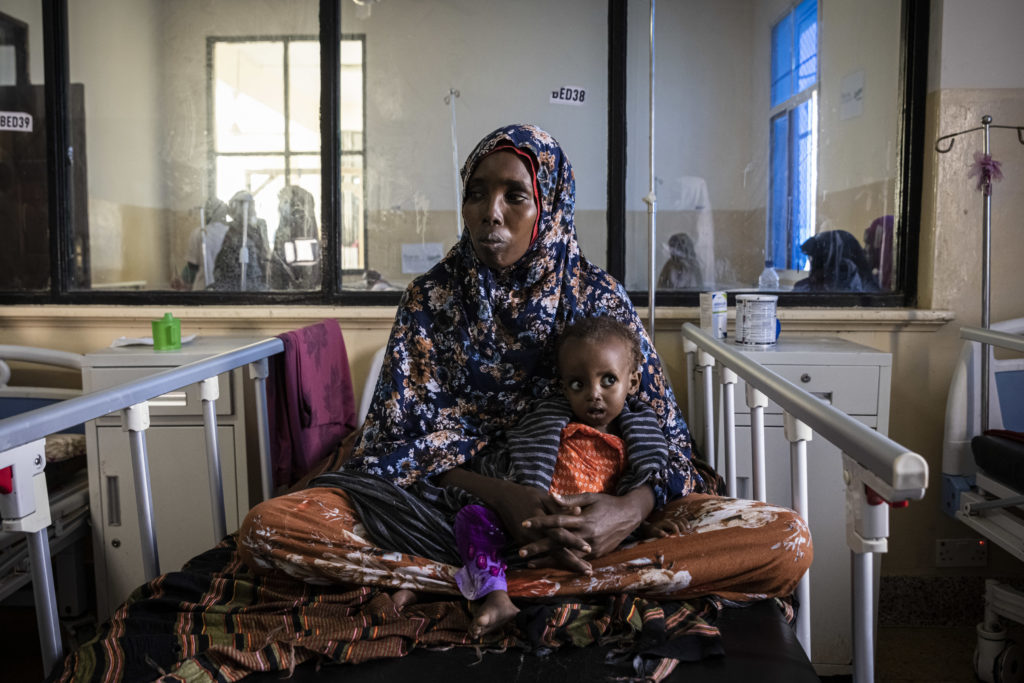
Droughts are part of the problem
Whilst the situation in Somalia is dire, famine has not yet been declared. According to the Integrated Food Security Phase Classification famine is declared when a country meets certain benchmarks. Famine will be declared when 20% of households in the country have extreme food gaps when one-third of children experience acute malnutrition and two out of every 10,000 people are dying from starvation.
Last time, famine was declared much too late. 100,000 out of the 260,000 deaths had happened before famine was officially declared. The same mistake cannot happen again.
One of the reasons why Somalia is facing such a crisis is because the country is facing the longest drought it has seen in the last 40 years. The country is not seeing the rains it needs for crops to survive. Crops die and people can no longer live off the land. These crops are what people’s livelihoods depend on.
As their crops die, people are pushed to starvation. They undertake long, arduous journeys to find aid. However, it is not enough. Especially for children.
COVID-19 and war in Ukraine push Somalia closer to famine
The droughts that Somalia has been seeing for the last couple of years are made even worse by the crises of the world in the last two years. Between the war in Ukraine and the COVID-19 pandemic, the world is slowly starting to go back to normal.
60% of the overall food supply in Somalia is imported. And Somalia sources 90% of its grain from Russia and Ukraine. The Russian blockade of grain has left a deep and long-lasting impact on countries so dependent on this grain. Whilst the grain has managed to be liberated, it will have been too late for the people dependent on this food.
On top of being affected by the war in Ukraine, countries like Somalia have also been deeply affected by the COVID-19 pandemic and all its consequences. The people can’t meet the rising food prices. They can’t keep up with the high inflation. The price of a kilogram of rice has doubled.
Moreover, farmers face a shortage in items such as fertilisers and therefore struggle to farm whatever will survive the drought.
Whilst we Europeans are facing rising prices, nothing compares to what the people in the Horn of Africa are experiencing.
Climate crisis
Somalia is facing a crisis. The war in Ukraine and the COVID-19 pandemic have not made things easier for the people there. However, now there is another crisis that is threatening these people’s livelihoods.
There is no doubt that the climate crisis and the rising temperatures across the planet are not helping the situation. The extreme heat kills the livestock these people rely on as their food source, and the drought kills the crops. However, it must be said that the increased temperatures are made worse by the climate change brought on by us.
We are once again in a situation where the poorest in the world are paying with their lives for our CO2 emissions. This was the case with Pakistan and the devastating floods it faced just last September. Somalia, Ethiopia and Kenya collectively emit 0,1% of the global CO2 emissions.
Now is the time to act. UN Humanitarian Chief Martin Griffiths declared that he would release $17 million to start the humanitarian effort. Furthermore, the Humanitarian Response Plan for Somalia is hoping to raise $1.5 billion to help with the situation. However, the HRP is struggling to meet that goal.
We must act now before thousands die and it is too late.