

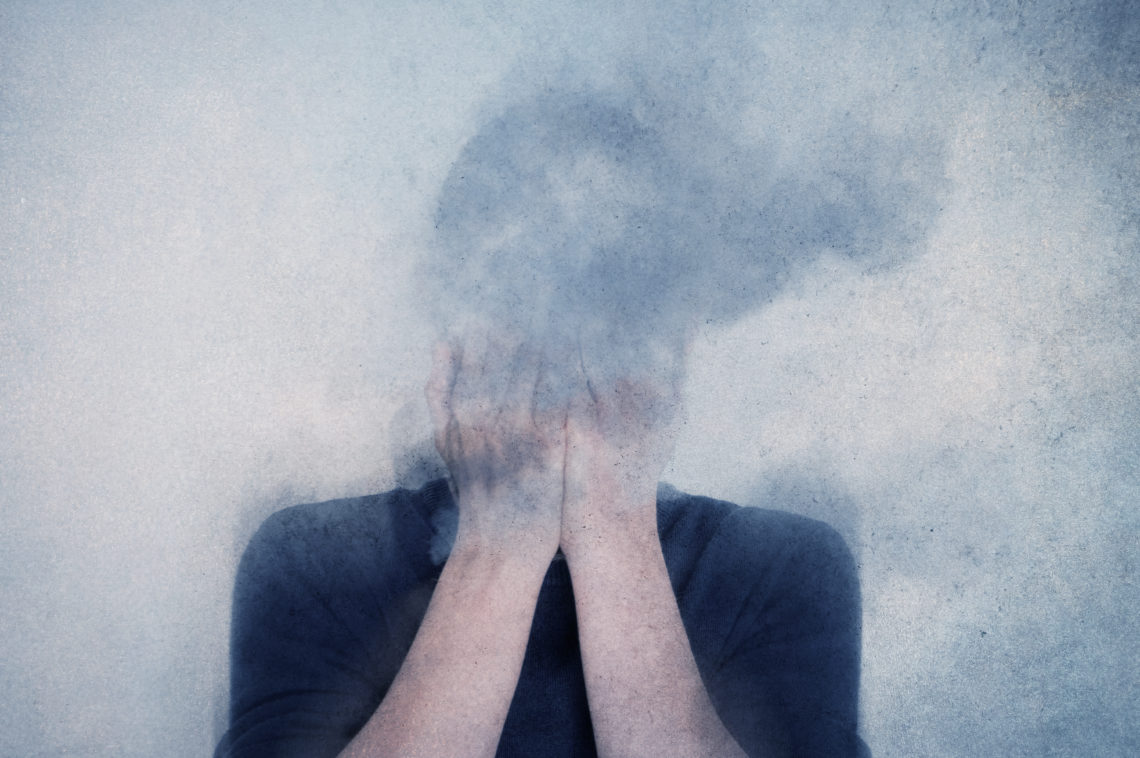


Post-traumatic stress disorder (PTSD) is a type of anxiety condition that develops after the individual experiences a traumatic event. 27 June 2022 is International PTSD Awareness Day. The purpose of this day is to spread awareness and education about PTSD. This article will focus particularly on students who experience PSTD while at university. Recent studies suggest approximately 17% of university students experience PSTD compared to 6% of the general population. Therefore, it’s important to be aware of the negative impact PTSD can have on students.
What are the symptoms of PTSD?
The common symptoms of PTSD include flashbacks to a traumatic event, having difficulty sleeping due to frequent nightmares, and high anxiety. Other signs of PTSD may include turning to substances, like alcohol or drugs, to cope. Some individuals display avoidance behaviours, meaning they avoid thinking and talking about their traumatic experience
What triggers its development?
Experiencing or witnessing a traumatic event triggers PTSD. Not everybody who experiences a traumatic event develops PTSD. Several factors increase the risk of developing it, including not having the right support during the processing stage of trauma. Having a pre-existing mental health condition, including depression and anxiety, also increases the risk.
There are many traumatic events that can trigger the onset of PTSD. Examples include being involved in a car accident, being physically or sexually assaulted, being bullied or harassed, fighting in or witnessing a war, having a traumatic birthing experience (post-partum PTSD), witnessing death, and being diagnosed with a life-threatening illness.
What causes PTSD?
The exact cause of PTSD is unknown. However, research suggests the hippocampus could be involved in the development of it. The hippocampus is a brain structure found in the temporal lobe that is largely responsible for memory and learning. It may be likely that experiencing a traumatic event causes damage to the hippocampus, restricting its function of separating memories.
Researchers suggest that a damaged hippocampus prior to experiencing a traumatic event may prevent the brain from processing the trauma. Consequently, the trauma response of the individual is retrieved during non-threatening situations that remind them of the original trauma situation.
How does it affect studying?
Firstly, PTSD hinders proper sleep. Sleep has important functions in memory forming and recollection. Having poor or no sleep during exam season could impact this memory storage and retrieval. So, it’s clear to see how experiencing nightmares and poor sleep as a result of a traumatic event affects students.
Next, PTSD can affect concentration. Exam and assignment season will likely have negative effects on both the student’s mental health and their grades.
Finally, the PTSD the student is dealing with may be related to someone or something at their university. One of the common symptoms is to avoid any associations with and reminders of the trauma. Thus, their attendance at important classes and seminars may decline. If the right support isn’t available, they may even drop out of their studies altogether. So, having support throughout really is of most significance.

How do I manage PTSD while at uni?
The main mode of support for managing PTSD is talking therapy. Many universities offer their own counselling support. However, appointments with unis fill up quickly and it can be difficult getting ahold of one.
Alternatively, other NHS providers offer talking therapy for trauma survivors. Looking into what therapies are available in your area or at your uni might be helpful if you’re struggling. GP surgeries can also offer medication treatment for PTSD, including antidepressants.
If PTSD is causing you to struggle with your studies, try and talk to someone at your uni about it. This could be someone like a mentor or an academic advisor. This makes your uni aware that you are struggling with attendance and workload in advance of assignments and exams. They may also be able to offer deadline extensions or signpost you to other means of support as a minimum.
There are many helpful online resources, from managing PTSD triggers to signposts to various therapy providers. Talkspace and Mind are just two examples of the online self-help available to help manage triggers and anxiety.
If you need immediate support, you can text SHOUT to 85258 or call the Samaritans on 116 123 for 24/7 support.
The takeaway message
PTSD is a difficult anxiety condition that can affect anyone who experiences or witnesses a traumatic event. It affects university students significantly more than the general population. The large impact it has on students shows why PTSD education and awareness are so important. The key factor to helping students affected by PTSD throughout university is to ensure they have sufficient support. It is important to be there for those who have gone through something traumatic. Remember, just being there to listen and support could make all the difference.