



Content Warning: this article discusses mental illnesses which may be triggering for some readers
Everyone knows that students often struggle with their mental health, particularly with depression and anxiety, but are they aware of how much of a prominent issue it is? A new recently published study states that over a third of new university students in England struggle with depression.
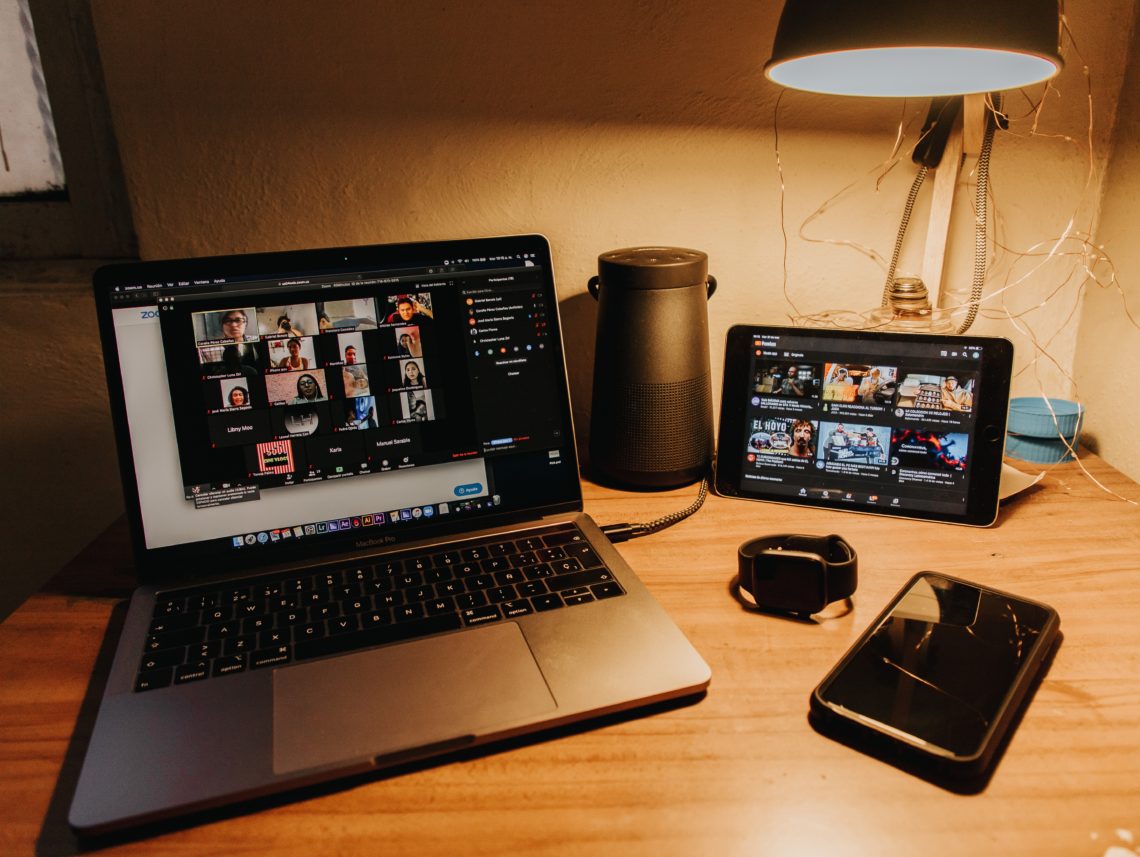
Why is this figure so high? The obvious answer is the COVID-19 pandemic. Starting university, often at the young age of 18, is daunting at the best of times. However, when you add a global pandemic into the mix, it becomes much more mentally exhausting. For those of us whose first year was not impacted (at least at the beginning) by the pandemic, it is hard to imagine how we would have coped with going from face-to-face education, to moving to a new city and having to be completely in control of our learning, relying only on Zoom classes and recommended reading. For many students, motivating yourself to attend an online lecture is much more difficult than pushing yourself to go onto campus; most students will be working and sleeping in the same four walls day in, day out.
Around 38% of first-year students surveyed said that they felt unprepared for the type of study offered by universities during the height of the pandemic. Whilst the focus on online learning and the improved resources created for this have been useful for many (such as those who find social situations intimidating or have a medical condition that makes it difficult to travel to campus), it cannot be denied that students lose out on something due to the lack of face-to-face teaching. Lecturers have always said that going to in person lectures is much more beneficial than watching back recordings of them, so the universities’ sudden turn to exclusively online material was unexpected and confusing.

Yet, although cases for COVID-19 are currently at an all-time high, the majority of the population has had at least one dose of the vaccine and society has slowly reverted back to its pre-pandemic state. This means that face-to-face teaching has resumed at universities, although the online option remains in place for those who cannot or do not want to attend physical classes. Hopefully this will help turn this statistic around.
For those who are struggling, due to the pandemic or more generally, here is a (non-exhaustive) list of things you can do to help manage your mental health:
- Try to factor in some sort of social interaction once per week that you can look forward to (but also do not force yourself to do this if your social batteries need a recharge!)
- Remember rest is key! Do not beat yourself up if you take that nap or watch that Netflix show, make sure to schedule in time for this during your week.
- Try to separate your working and chilling spaces as much as possible – I often find that working downstairs in the kitchen helps with this.
- You do not always need to work in a high-stress environment. Personally, I find my university’s library stress-inducing and therefore, prefer to work in other study spaces on campus.
- Reach out to your university’s health and wellbeing services – whilst these are not always perfect, they can offer you advice on how to manage your workload, cope with the environment and in certain cases, offer things such as extensions.
- Try your best not to compare yourself to others. Let’s be honest, we are all guilty of this, but it is detrimental to our mental health. Everyone is unique, they cope in different ways and have their own individual circumstances and are therefore in no way comparable.
- Reach out to family, friends, or anyone you trust about how you are feeling. Bottling everything up is not healthy and will not last forever, trust me I would know.
At the end of the day, although mental health illnesses are still stigmatised, they are nothing to be ashamed of. I have struggled with anxiety and depression for as long as I can remember, reluctant to confide in people for fear of being judged. But trust me when I say this, if they judge you for something completely out of your control, which is just as much of an illness as a physical one, they are not someone you want in your life.
That last paragraph felt like a bit of a rant. The main takeaway from this article is this: it is okay to not be okay.
If you were affected by the contents of this article, or are struggling with your mental health, there are many resources available to you online. You can ring the Samaritans on 116 123 for free, 24 hours a day, 365 days a year.
See also: Watchdog says universities should refund students affected by strikes