



Oftentimes we talk about mental health as something completely separate to our physical health. One is visible and tangible, while the other isn’t. However, as we’re learning more and more about conditions like anxiety and depression, we are discovering ways in which they are connected to not just our minds but also our bodies. Having an awareness of these connections can be helpful in managing these symptoms. So, here are a few ways how mental and physical health are interlinked.
Diet
The foods that we eat determine the energy we get and how quickly that energy is released. As a result, eating a balanced diet with plenty of fruit, vegetables, nuts and legumes can be beneficial towards not just our physical health but also our mental wellbeing. It’s also important to eat regularly and consistently, as well as avoiding high-calorie and processed foods where possible.
Muscle Tension
Stress doesn’t just exist in your head — it manifests in your body, too. Oftentimes when we’re feeling anxious, we hold a lot of tension. Common places in the body where we might tense up are the neck, shoulders, jaw and even the hands. Developing awareness of these tendencies can be incredibly useful in working to decompress and relax. Taking the time to stretch out these muscles on a regular basis is also very helpful.

See also: Best Podcasts for Meditation
Gut-Brain Connection
Whether you’re feeling those excited butterflies or you’re dreading something, many of our motions can be felt in our gut. The brain can send signals to the gut to trigger things like digestion responses, but the gut can also send signals to the brain. In other words, oftentimes treating maladies of the gut involves treating the emotions that are tied to the condition as well, and psychological approaches have been shown to be helpful in treating certain GI issues.
Blood Pressure
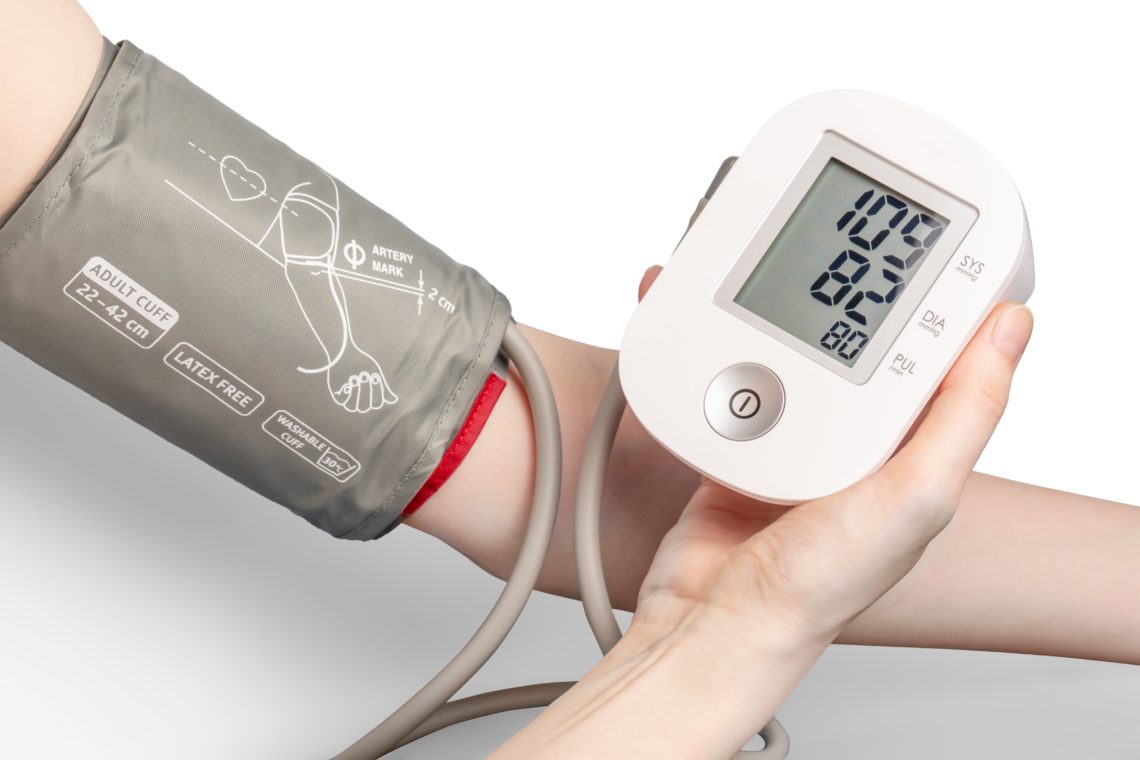
Blood pressure is another way physical health can be linked to mental health effects. High blood pressure and hypertension can cause an inflammatory response, which can generate chemicals that interfere with your mood. There is also a cyclical relationship between stress chemicals and high blood pressure, which often necessitates treatment.
Breathing
It has been long established that breathing from the diaphragm and engaging in breathing exercises can have a positive impact on mental health. Breathing is something that we mostly do on auto-pilot most of the time, but switching to conscious, deep breath is a way that your body can help clear your thoughts and relax your mind.